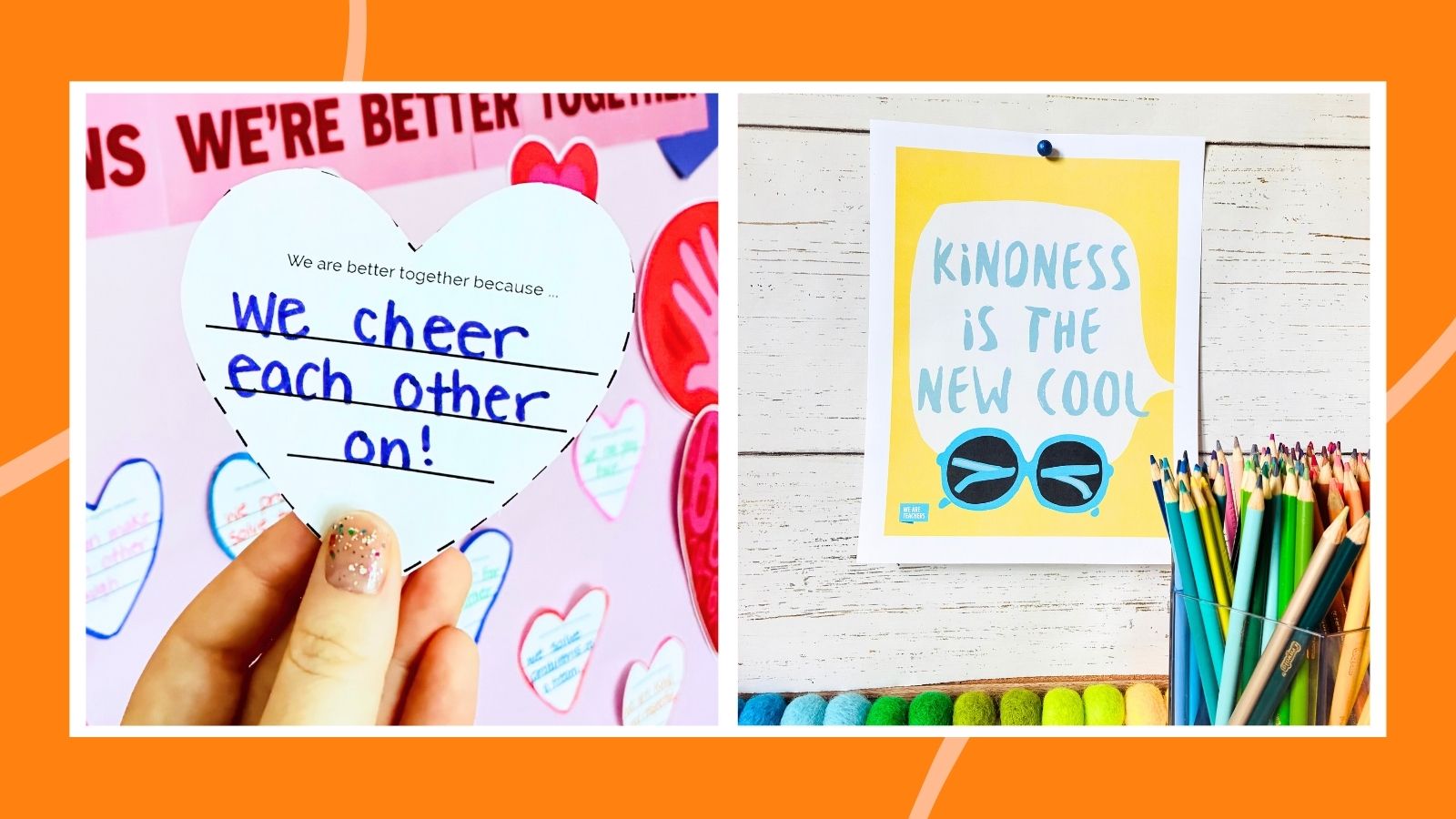

Bullying is one of those tough topics that can feel challenging for teachers and parents to address. But when we highlight and bring attention to the issue, we have a better chance at preventing bully behavior and helping the victims of bullying. National Bullying Prevention Month 2026 is an ideal time for anti-bullying activities like those found here.
Jump to:
What is Bullying Prevention Month?
Observed every year in October, Bullying Prevention Month is a time when a variety of organizations come together to educate and raise awareness about bullying prevention. It was started in 2006 by PACER’s National Bullying Prevention Center, whose goal was to change the prevalent view that bullying was just a childhood rite of passage. They point out that bullying raises school absentee rates, decreases student performance, and increases physical and mental stress.
For more information, we spoke with Laura Oathout and Ashley Amely from Counselor Collab (@counselorcollab), who specialize in grades K–8 school counseling and social-emotional learning. They have a combined 30+ years experience in the field of school counseling, having worked in both public schools and as curriculum writers.
What is bullying?
“As educators, we hear the words ‘He’s/she’s bullying me!’ at least once a week—if not once a day!” Laura and Ashley note. “We also get frequent phone calls and emails from parents concerned about bullying. The problem is, the word is thrown around so casually and frequently that one-time mean choices are often mislabeled as ‘bullying.’”
When smaller issues are confused with bullying, Laura and Ashley caution, it means real bullying behaviors can go unnoticed or undetected. “Educators and parents overwhelm themselves with small, no-big-deal issues that children can learn to solve themselves. This can have very serious, even life-threatening consequences for our youth!”
According to Stopbullying.gov, bullying is “unwanted aggressive behavior, observed or perceived power imbalance, and repetition or high likelihood of repetition of bullying behaviors.”
Learn more: What Is Bullying? (And What It Isn’t)
Bullying Prevention Facts
- Bullying is intentional and persistent, and it relies on one person’s or group’s physical, social, or emotional power to hurt another.
- Bullying can include in-person or online behavior (known as cyberbullying).
- One in five students report experiencing bullying behavior.
- Students might be bullied for their physical appearance, race or ethnicity, gender, disability, religion, or sexual orientation, among other reasons.
- Research indicates that strong bullying prevention programs can help reduce bullying at school. These programs can help potential bullies recognize and stop their own behavior. They can also empower victims, giving them the support they need in the face of bullying.
When is National Bullying Prevention Month 2026?
National Bullying Prevention Month takes place each year in October to bring global awareness to the issue. Monday, October 5, 2026, is the 20th annual World Day of Bullying Prevention. Organizations like Stomp Out Bullying sponsor special events on this day to help spread the word. Wednesday, October 21, 2026, is Unity Day, a time to unite for kindness, acceptance, and inclusion.
2026 Bullying Prevention Month Activities and Ideas
“Although National Bullying Prevention Month is a great and well-intentioned initiative to spread awareness about bullying, building an anti-bullying culture must be an ongoing, daily effort,” Laura and Ashley emphasize. “It cannot be limited to one week, one month, or one school assembly. It also must be a collective, collaborative effort with all teachers, students, and parents involved and on board.”
Here are some things that schools can do to create an inclusive, kind, and welcoming culture.
Kick off a buddy or peer mentoring program
If your school doesn’t have some type of anti-bullying program in place yet, October is the month to start one! “Pair older and younger students for mentoring, reading, school activities, or transition support,” Laura and Ashley advise. “This can strengthen connectedness and give younger students additional trusted peers to count on.”
Try it: How To Start a Bullying Prevention Program
Wear orange for Unity Day
Join the nationwide movement on October 22 to show the world that your school is a place for acceptance, kindness, and inclusion. Encourage all students to wear orange that day, and pass out bracelets, necklaces, pins, or other anti-bullying swag to everyone who does.
Play Kindness Bingo
Pass out bingo cards with acts of kindness on them at the beginning of the school week. Students try to complete these acts to get five in a row across, down, or diagonally. (To verify the activities, ask students to write a description on the back, and have it initialed by someone who received or observed the kindness.) Award prizes at the end of the week to anyone with complete rows!
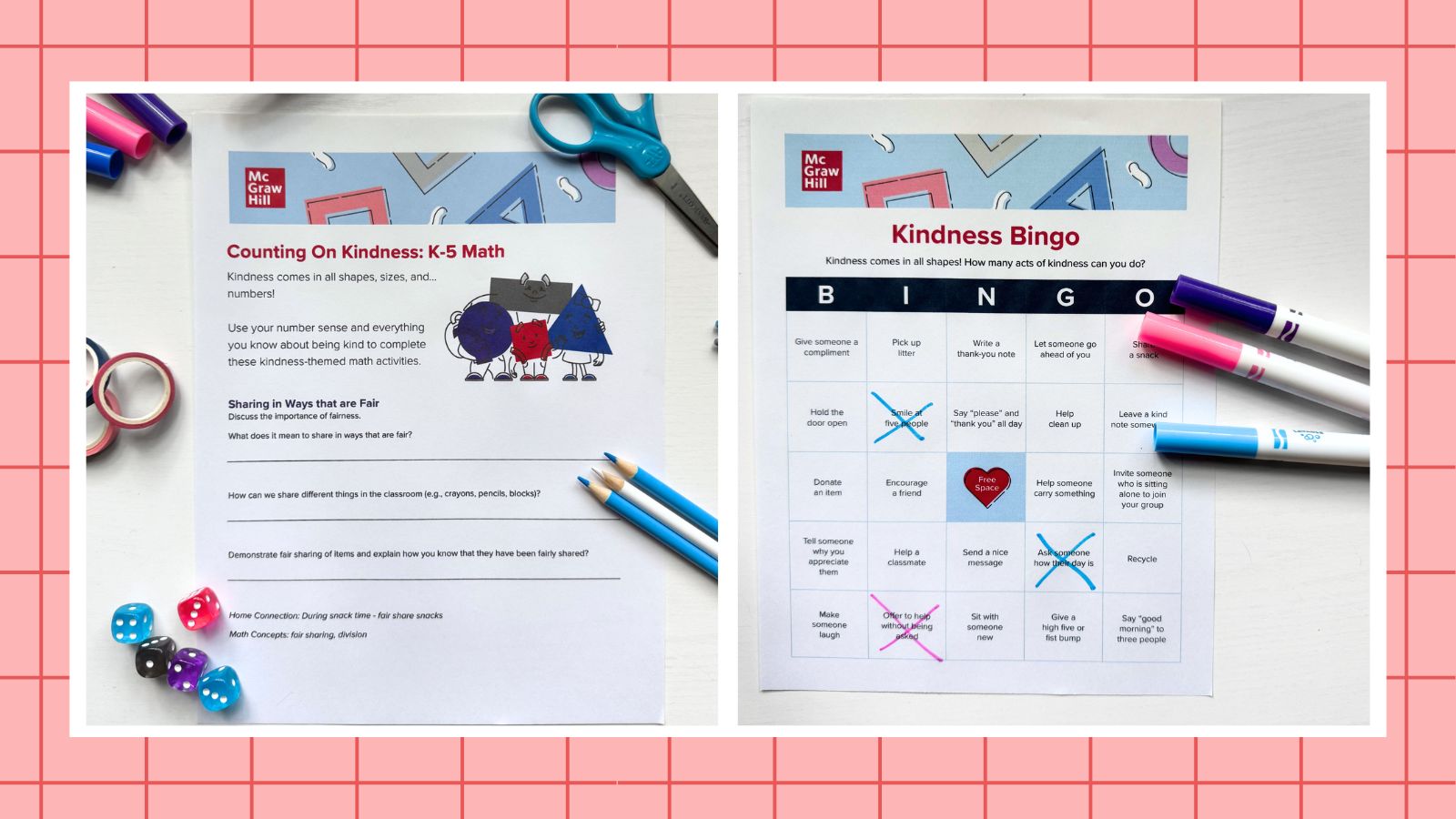
Kindness Bingo and More Printables
Get your free Kindness Bingo cards along with six more cool ways for kids to be kind!
Start an anti-bullying book club
Choose a new book to read together each month, then follow it up with discussions that help bring the meaning home. Older students can read chapter books on their own time before the book club. And anti-bullying picture books are actually a terrific fit for any age—read them together during your book club meeting, stopping along the way to talk about the messages. Here are a few of Laura and Ashley’s favorite picks:
- The Recess Queen by Alexis O’Neill
- The Invisible Boy by Trudy Ludwig
- The Weird! Series: Weird!, Dare!, and Tough! by Erin Frankel
- Bully B.E.A.N.S. by Julia Cook
- My Secret Bully by Trudy Ludwig
- The Juice Box Bully by Bob Sornson and Maria Dismondy
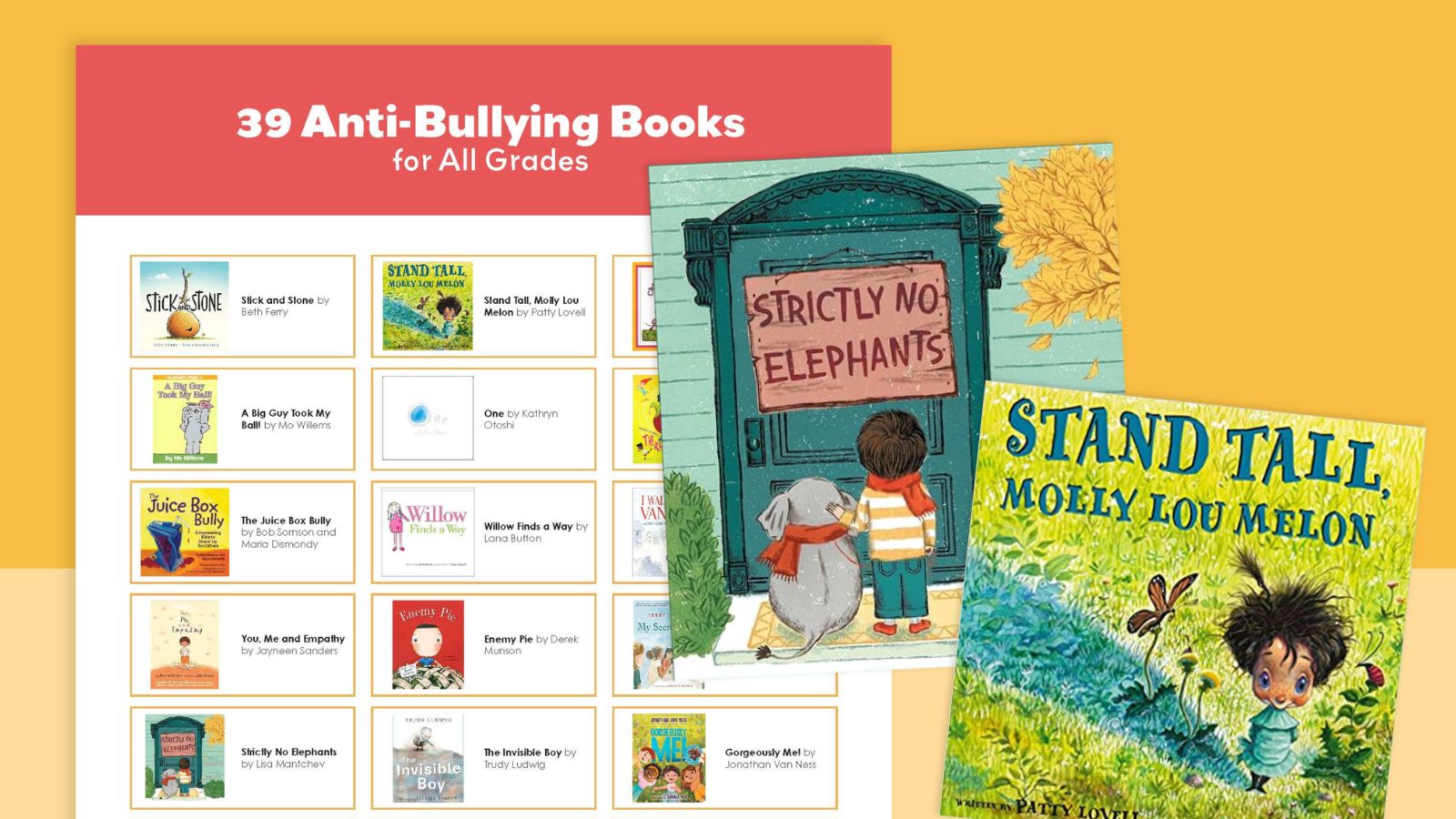
Anti-Bullying Book List (Free Printable)
Find more options on our free printable anti-bullying book list for every age.
Share anti-bullying videos during morning meetings or announcements
Choose a new video to share each week or day. Then, encourage teachers to follow up with in-class conversations about the points they raise. We’ve got a big selection of videos appropriate for kids in grades pre-K through high school.
Try it: Best Anti-Bullying Videos for Kids
Form a Student Upstanders Society
“Upstanders are brave individuals who stand up to bullying,” explain Laura and Ashley. “They do not stand by, ignore it, or feed into the bullying. Instead, they see bullying, exclusion, or other hurtful behavior happening and choose to take safe, positive action.
“This doesn’t mean putting themselves in harm’s way,” they point out. “It means telling a person to stop, inviting the victim to join them, getting help from a grown-up they trust, reporting what happened, or checking in with the victim afterwards.”
Teach students explicitly what it means to be an upstander and concrete ways to be one. Then, student upstanders can wear pin-back buttons or special bracelets that let other students know they’re always a safe, trusted refuge from bullying behavior.
Take an anti-bullying pledge
Encourage all students to sign a declaration like the Kids Against Bullying pledge. Make it meaningful by talking about what it means to be a bully vs. an upstander, and encourage kids to live their pledge daily.
Paper the halls with anti-bullying and kindness messages
“Bullying happens most often in unsupervised or minimally supervised areas of the school,” Laura and Ashley warn. “Write, post, and display school-wide behavior expectations for every area of the school building (classroom, bathroom, hallway, bus, cafeteria, gym, etc.). Teach a few consistent behaviors such as ‘Be safe, be respectful, be inclusive,’ then explicitly show students what those behaviors look like in each place. Make sure staff members consistently enforce and expect these rules with students—with no exceptions.”
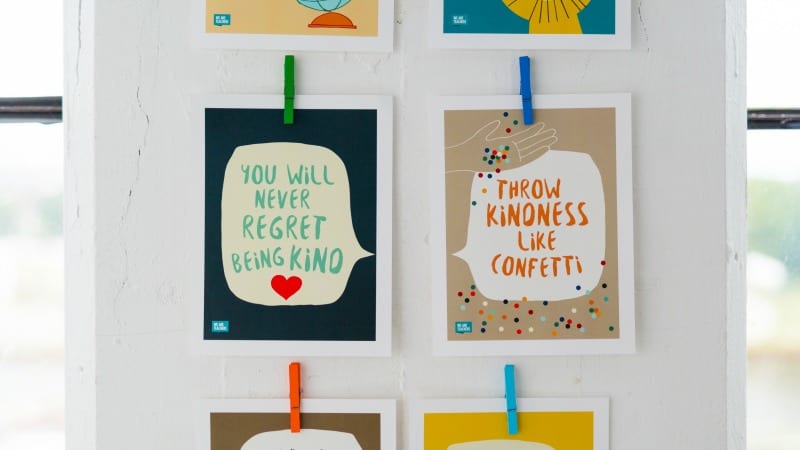
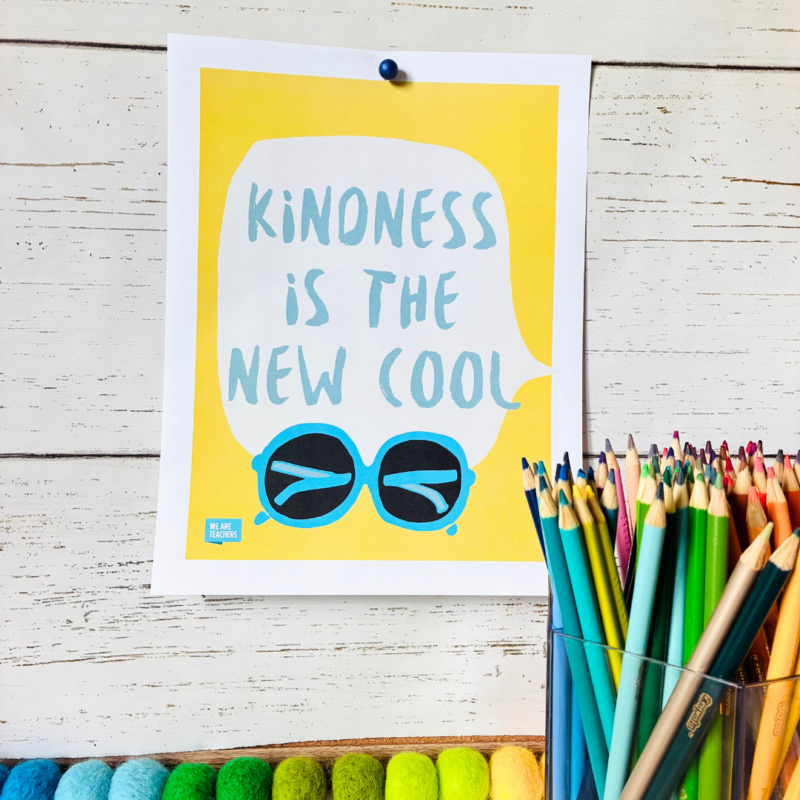
Kindness Posters (Free Printables)
Encourage an anti-bullying classroom culture with our free bundle of eight printable kindness posters.
Hold a Bullying Prevention Month poster contest
Invite students to create anti-bullying posters to hang in their classrooms. Choose a winner from each grade or class, and blow those posters up to hang in your school’s entrance hall, cafeteria, or other common areas.
Build a kindness chain
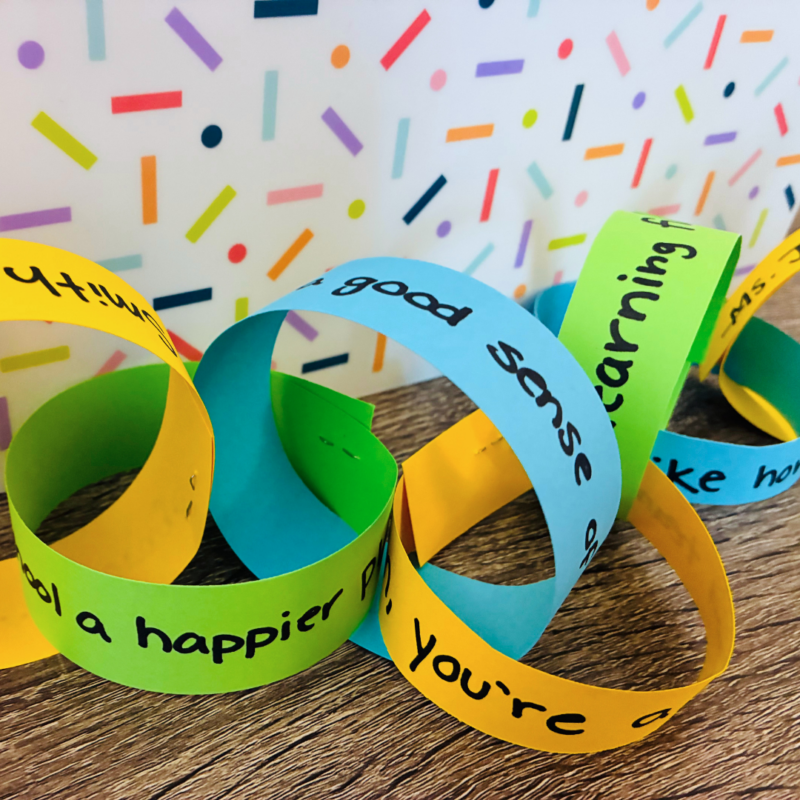
Give each student in your school a strip of colorful paper, and ask them to write a message of encouragement or kindness on it. Then, link all the strips together to make a giant paper chain. Hang it in the cafeteria or along the halls to show that you’re all in this together!
Pass out paper hearts
This is a classic anti-bullying activity, and one of Laura and Ashley’s favorites. They explain how it works:
- Give each student a paper heart. “Then read aloud several examples of unkind comments, teasing, exclusion, or bullying behaviors. After each example, students crumple, fold, or tear the heart slightly to represent the hurt those actions can cause.”
- Read examples of apologies, compliments, kindness, and supportive actions. “As you read each one, ask students to try to smooth a part of the heart back out. Students will realize that even though the heart looks better, the wrinkles and marks remain.”
- Discuss this symbolism with your students. “Apologies and kindness are important, but hurtful words and choices can have a lasting impact. People can and do heal, and relationships can be repaired. But we have a responsibility to think about the impact of our words and actions before we say and do them.”
Try a “Random Acts of Kindness” challenge
Start by asking students to help brainstorm an enormous list of ways they can show kindness to others, in and out of school. Then, challenge them to spend a week achieving as many acts of kindness as possible. Each student should document their act and keep track of the total. Hold an assembly at the end of the week to celebrate your final tally!
Try it: Meaningful Random Acts of Kindness for Kids
Watch beloved Bluey episodes
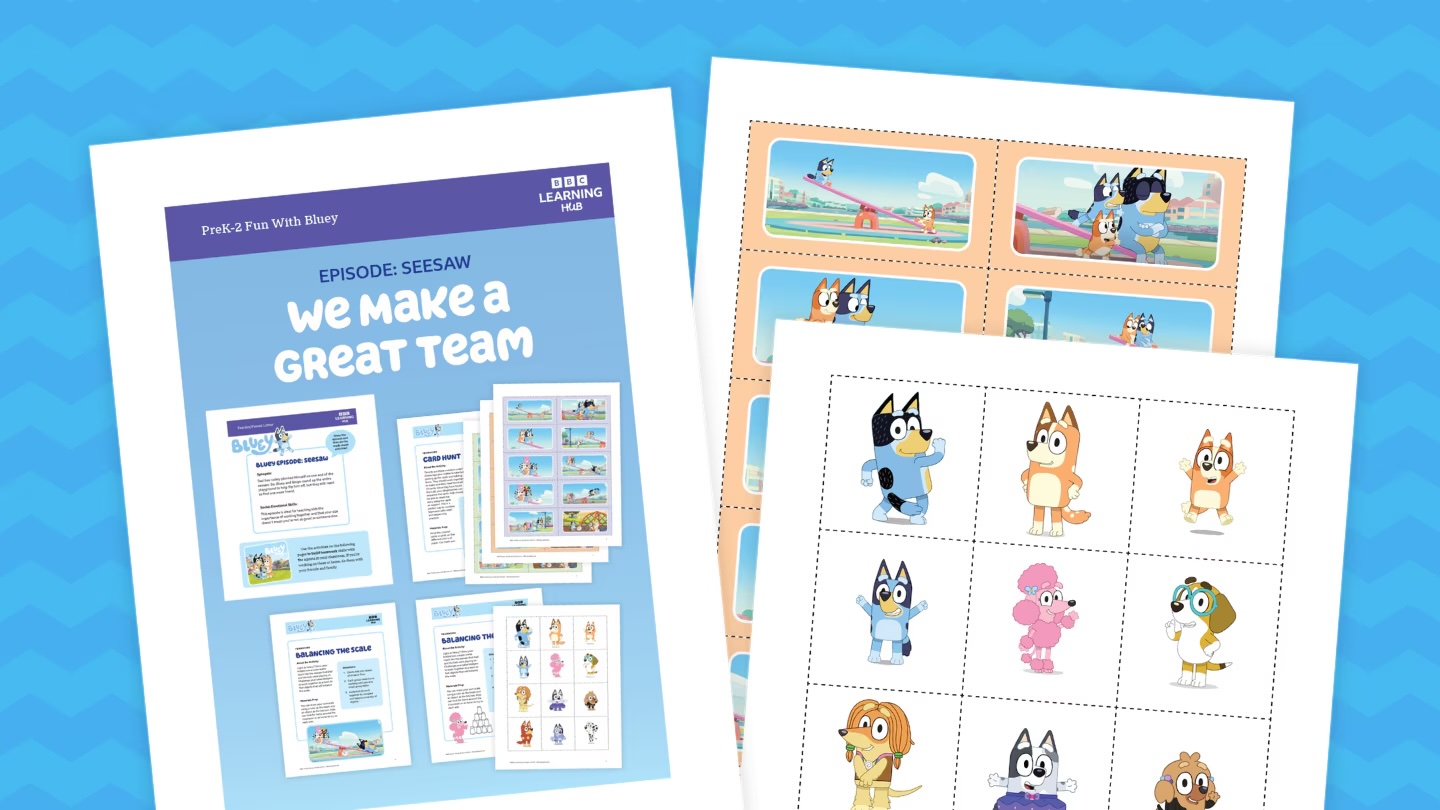
This Australian import has a well-deserved reputation for subtly delivering social-emotional learning messages in ways that are so fun and engaging, even adults can’t get enough of the show! Watch episodes like “Seesaw” or “Asparagus,” then use the free BBC worksheets and activities to emphasize messages of kindness or teamwork. (Oh, and by the way, your secondary students will love this just as much as your elementary students—we promise!)
Bluey Kindness and Friendship Activities
Explore our five favorite episodes of Bluey for teaching kids to be kind and work together, along with free printable activities for each.
Create an anti-bullying mural
Choose a favorite quote or message to paint on a wall in your school. Invite every student to participate in some way, whether by submitting and selecting design ideas, prepping the space, painting the actual mural, or helping with cleanup. Hold an unveiling celebration when it’s finished!
Paper the halls with kindness and anti-bullying quotes
Collect quotes about kindness and post them on sticky notes around your school for students to find and share. Encourage students to write their own favorite quotes or inspirational sayings on the topic and post them too.
Try it: 100 Kindness Quotes for Kids and 75 Anti-Bullying Quotes To Promote Kindness and Respect
Paint kindness rocks
Paint quotes or supportive messages on smooth river rocks, then hide them around the school grounds. Kids will have fun finding, collecting, trading, and sharing them. Such a fun way to show that kindness rocks!
Record and share social media PSAs
Encourage students to write and record their own public service announcements, then share them widely across your school’s social media channels throughout National Bullying Prevention Month and beyond.
Set up a bullying reporting system
Students can sometimes worry about repercussions if they report the bullying behaviors they see. That’s why Laura and Ashley recommend creating an anonymous bullying-reporting system. “Use a simple form, QR code, reporting box, or counselor referral system so students have a safe way to report concerns. Explicitly teach students how to make referrals and explain clearly what will happen and what they can expect after a report is made.”
Be sure to follow Laura (@musiccitycounselor) and Ashley (@heartandmindteaching) on Instagram for more terrific counseling and social-emotional learning ideas and activities. Plus, find them both here: @counselorcollab!