The summer solstice takes place on June 21, marking the longest day of the year. Celebrate this sunshiny day and the upcoming summer break with these summer read-alouds. Sunshine, waves, lemonade stands—there’s a lot to love about summer! Plus, share these fun and fascinating facts about summer and summer quotes with your students for more real-world connections. Bonus: We’ve paired each selection with easy ideas for classroom activities too!
We Are Teacher
FREE PRINTABLE
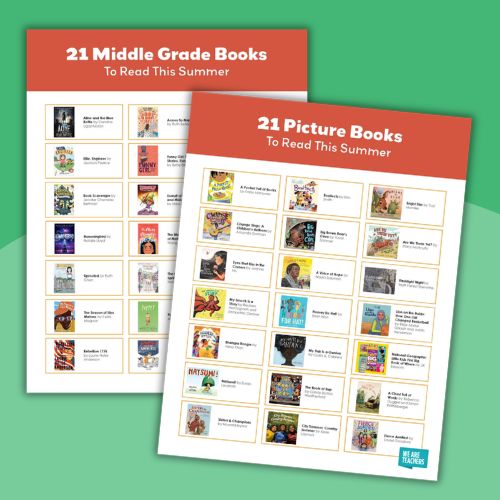
Summer Reading List for Kids and Teens
Help students find their next great summer read with our free printable summer reading lists! Just click on the link below to get yours.
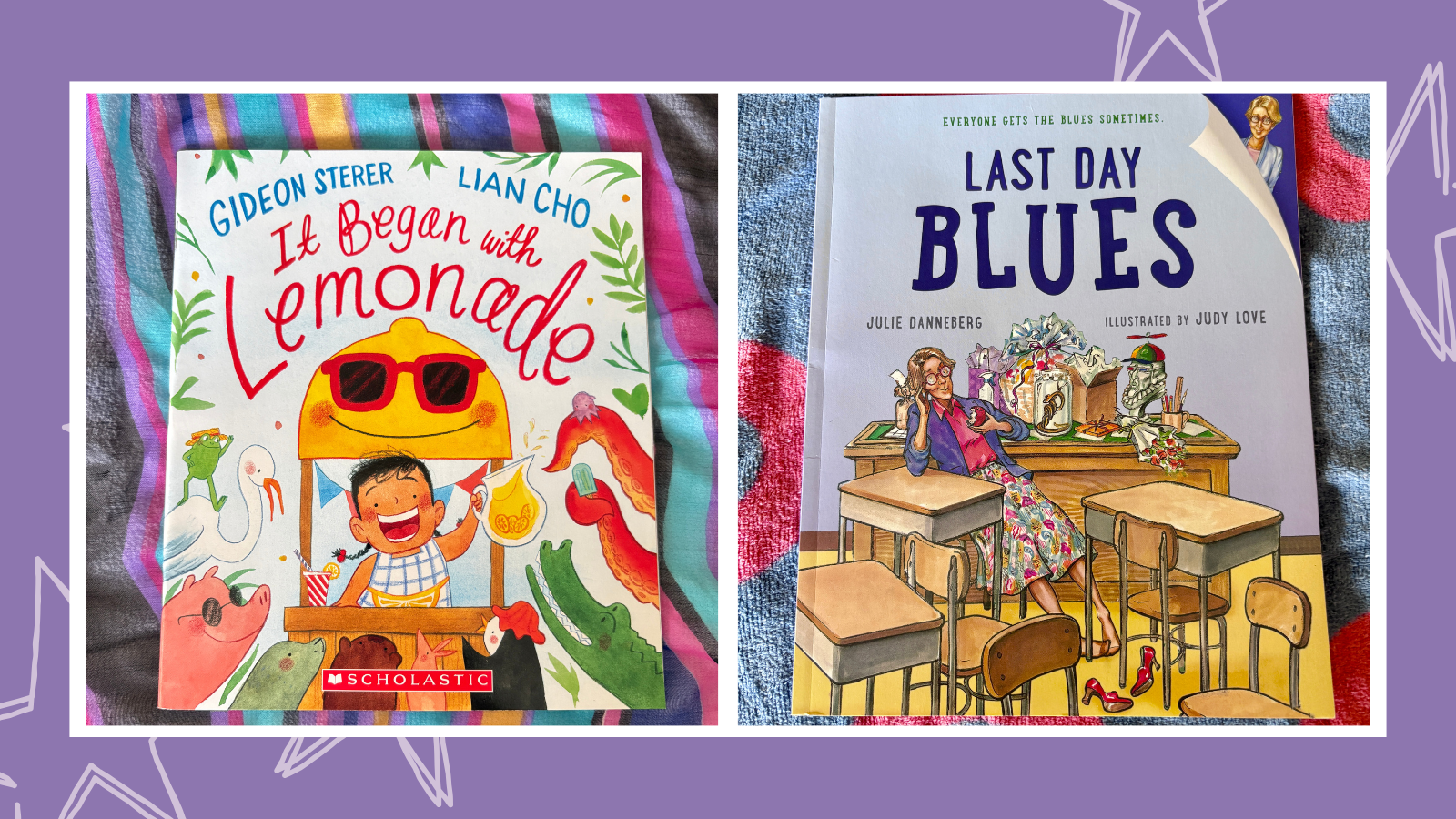
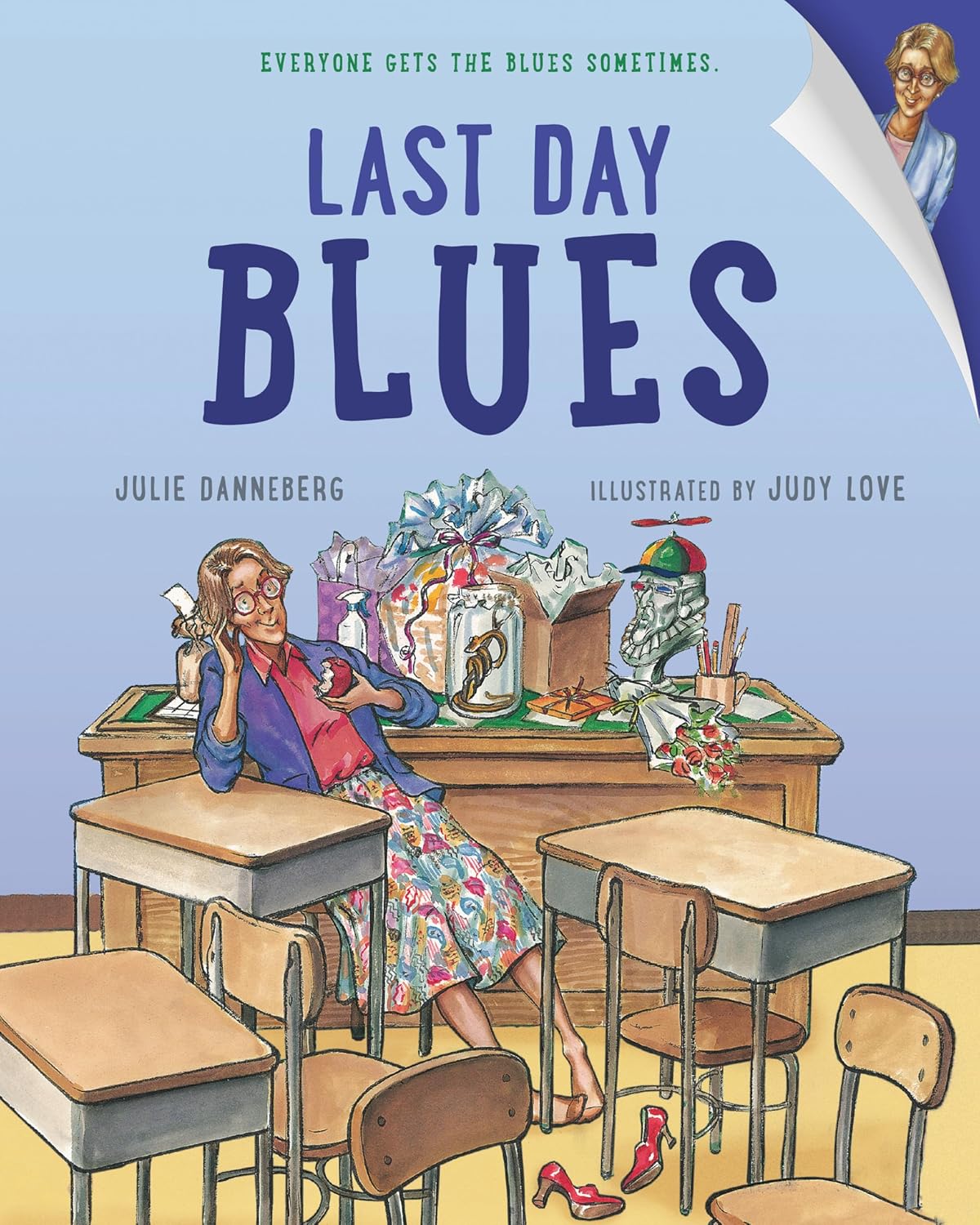
The last day of school has finally arrived! Everyone in Mrs. Hartwell’s class is ready for summer break, with one exception: Mrs. Hartwell. The students sense her sadness and devise a cute plan to cheer her up. This sweet and funny story perfectly captures the bittersweet emotions that come with the end of the school year.
I use this book to springboard conversations about mixed emotions at the end of the school year and saying goodbye. It’s a great way to build community as we reflect on our time together and share our favorite memories. It also helps students come up with ideas for memory books we create during the last week of school.
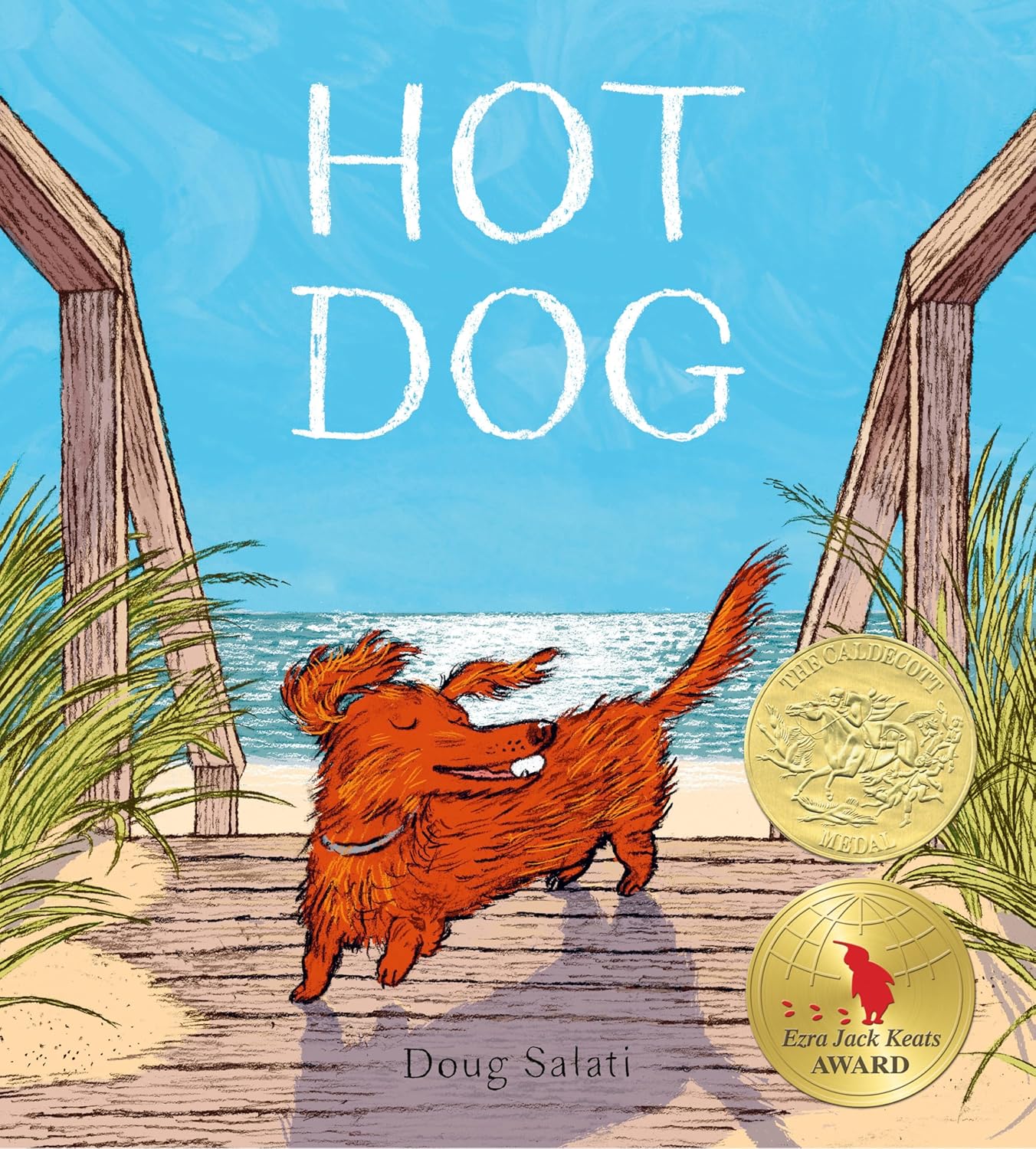
It’s a super-hot summer day in the city, and an overwhelmed dog has had enough of it all: the heat, the noise, the crowds. His owner senses his discomfort and whisks him off to the beach for some R&R. This Caldecott Medal–winning story reminds us that sometimes all we need is a change of scenery to let those calm vibes in.
I use this book to help students relate to how our environment affects how we feel. Since much of the story is told through illustrations, it’s a great example of visual storytelling. We love discussing what the dog is thinking and making text-to-self connections.
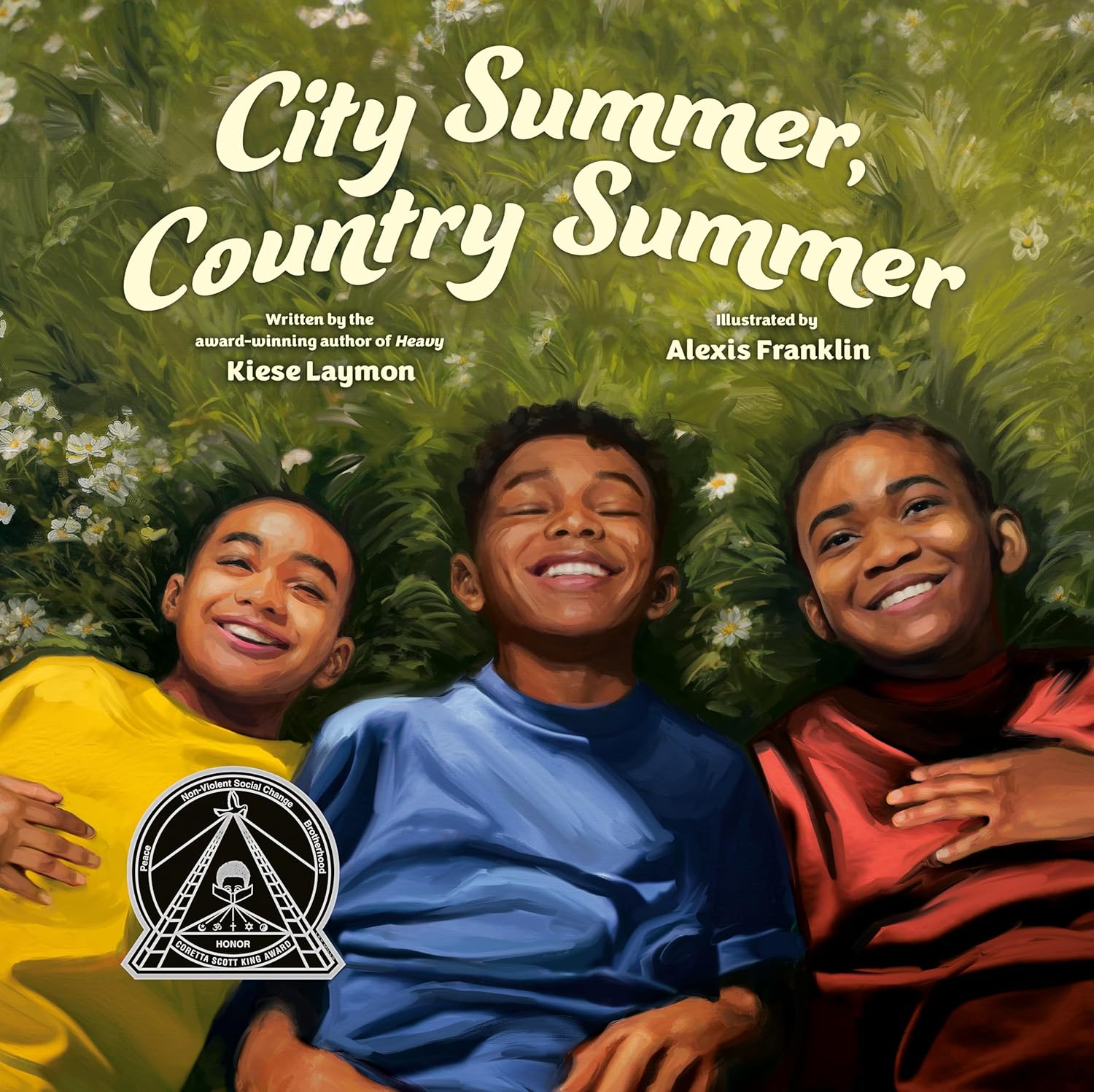
Three boys from very different places spend a summer together in the Mississippi woods. This Coretta Scott King Honor book highlights the bond that grows between them through descriptive language and lifelike illustrations. It also reminds us that while we all have different experiences and backgrounds, it’s easy to find things we have in common and make lifelong memories.
Since my students and I live in a suburban community, this book gives them a snapshot of rural life. It also shows how the characters visiting from urban NYC experience a different lifestyle. It’s a great way to help students compare and contrast the three types of communities and reflect on their own experiences.
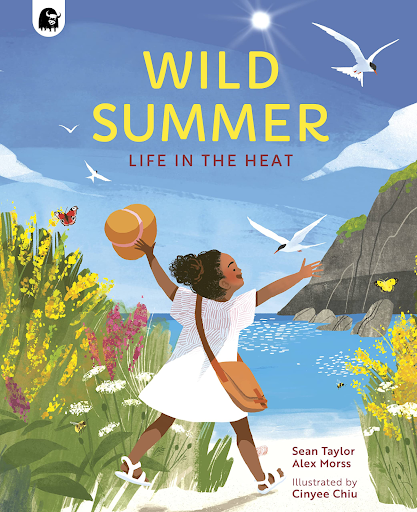
4. Wild Summer: Life in the Heat by Sean Taylor and Alex Morss
Summer read-alouds like this one make us all wish summer could last forever! Follow a little girl and her grandfather in this charming, realistic-fiction tale that takes a close look at how animals and plants adapt to the summer weather. At each stop on their nature walk, Grandpa points out beautiful-colored plants and flowers. They also observe the vibrant activity of animals at play in the sunshine and warmth. This is a beautiful follow-up to this team’s previous seasonal books, Winter Sleep and Busy Spring.
I use this story for a closer look at how animals and people alike adapt to seasonal changes. I also like using it to encourage observational skills while spending time in the great outdoors. There’s also a strong connection to environmental conservation, reminding us that Earth Day practices continue all year long.
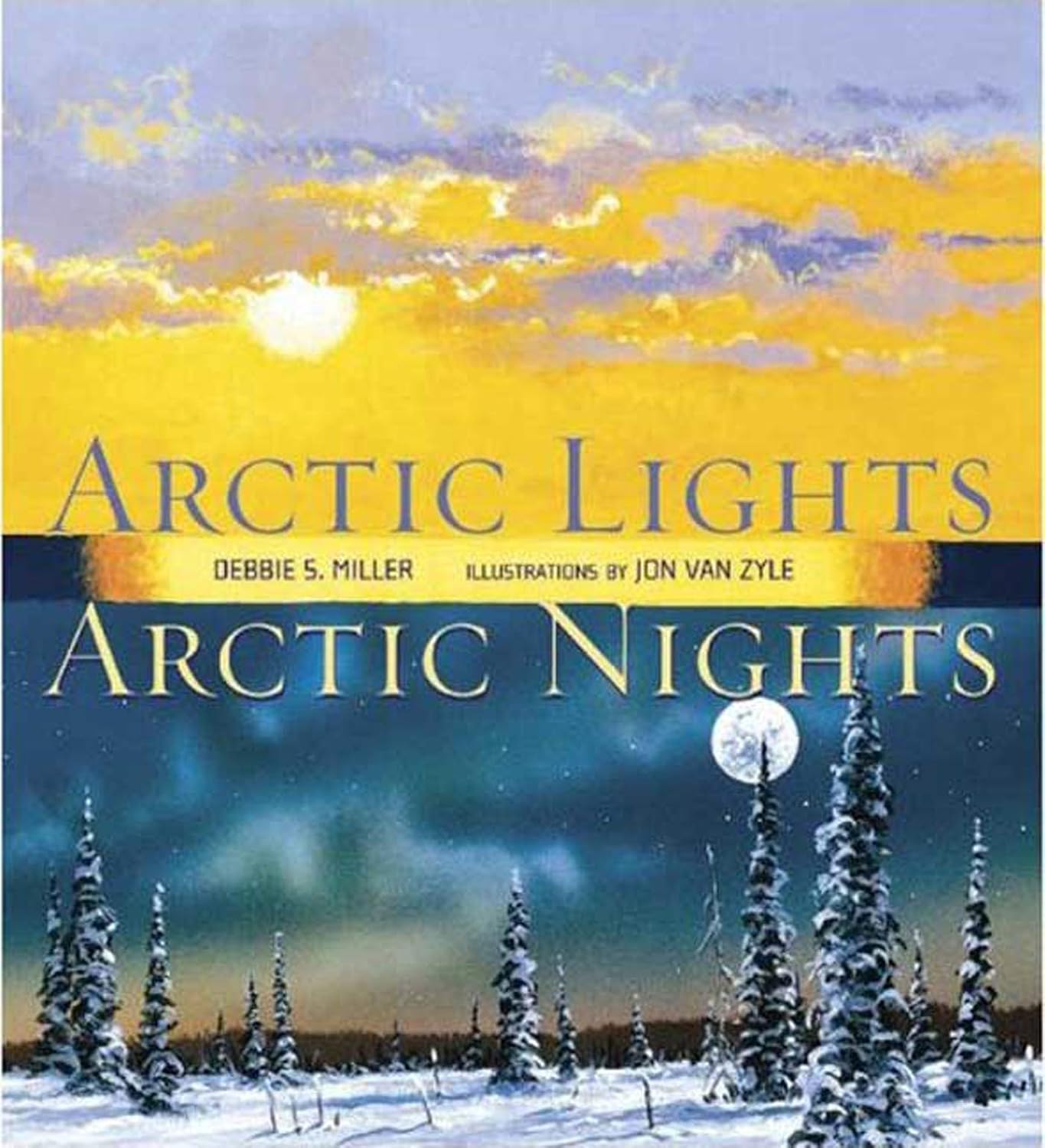
5. Arctic Lights, Arctic Nights by Debbie S. Miller
This nonfiction picture book takes readers on a journey through a year in the Arctic, highlighting the extreme periods of endless daylight in summer and total darkness in winter. It is a great introduction to life in these areas that are very different from where most of us live. There is a reason Alaska is nicknamed the Land of the Midnight Sun, and this book tells all about it!
This is a great book to introduce lessons on seasons, Earth’s rotation, and animal adaptations. My students are fascinated by the long stretches of daylight and darkness, while learning about animals that live in such different conditions.
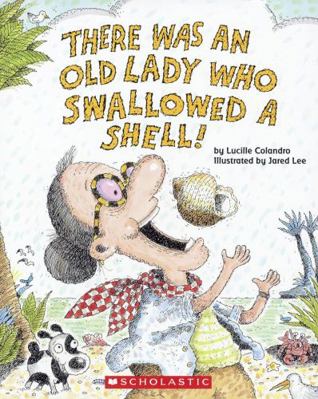
6. There Was an Old Lady Who Swallowed a Shell! by Lucille Colandro
In this summer-themed version of the beloved series, the old lady swallows a variety of beachy items. Shells, sand, sunscreen, and more go down the hatch, with increasingly funny outcomes as the story goes on. With its predictable pattern and whimsical illustrations, this book is perfect for getting kids laughing while celebrating all things summer.
I use this book and others in the series to teach sequencing and prediction skills since students quickly pick up on the pattern. It’s a great interactive read-aloud where students can join in and anticipate what comes next.
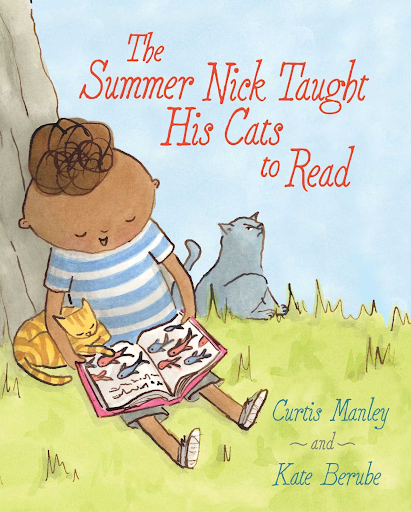
7. The Summer Nick Taught His Cats To Read by Curtis Manley and Kate Berube
Calling all cat lovers! We all know how difficult it is to herd cats, so how can we teach them how to read? This charming picture book will bring smiles to all while encouraging even the most reluctant readers. If you are looking for summer read-alouds to bring smiles to little faces, this one is purrfect!
Stocking your classroom library? With ThriftBooks 4 Teachers, every fifth book is free! Learn more>>
Amazon
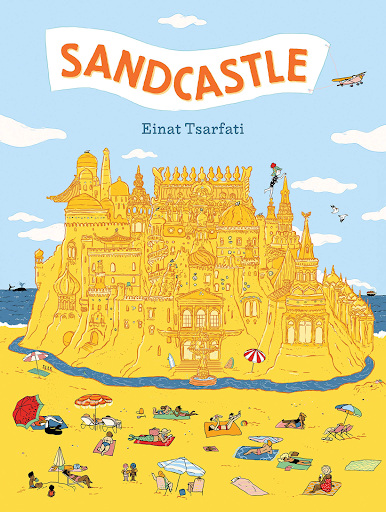
8. Sandcastle by Einat Tsarfati
Summer picture books about the beach are a great way to ring in the season. See what happens when a girl with a wild imagination builds a sandcastle worthy of the royals. All types of majestic characters and animals can be found in the detailed illustrations. This beach day will go down in history!
After reading this story, I have students design a dream beach house of their own through writing and drawing. It’s great to see those creative juices flowing!
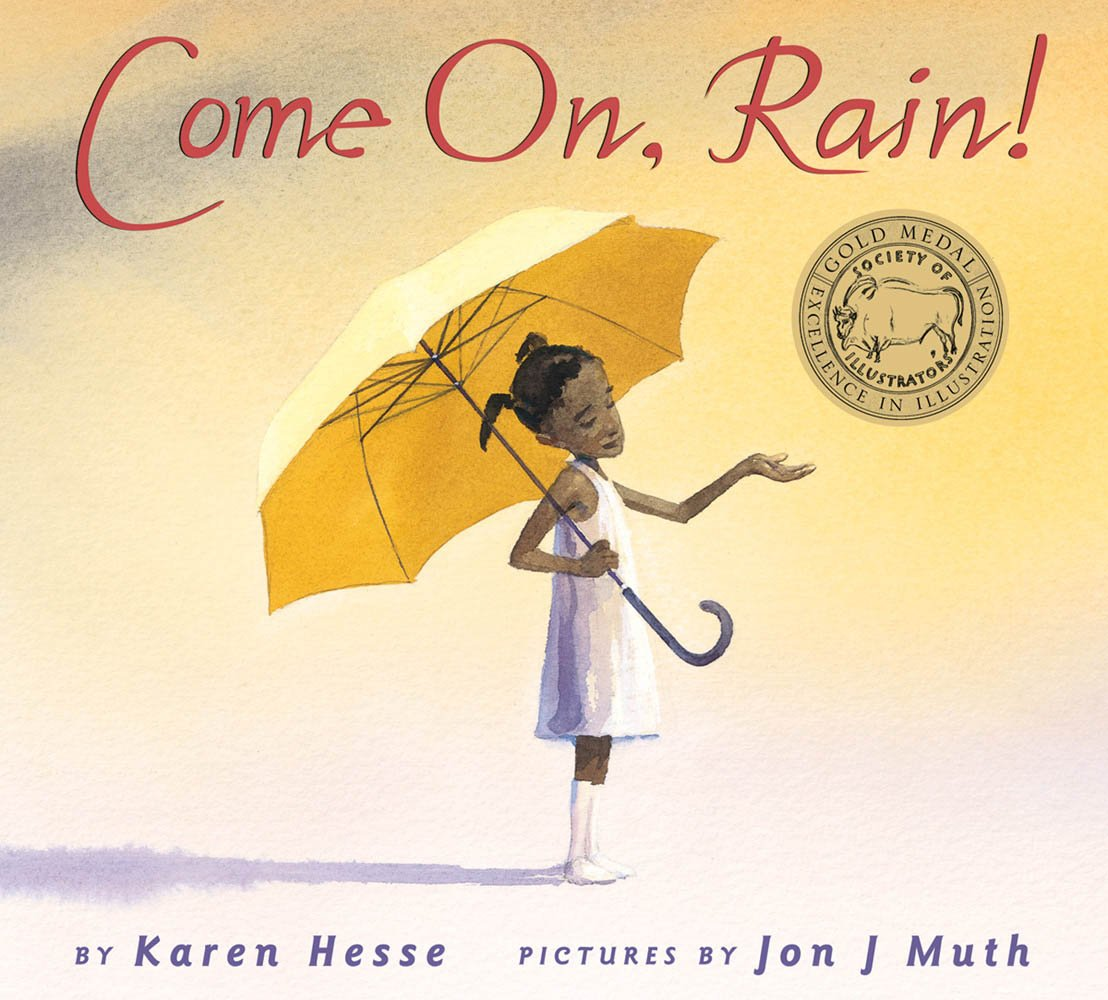
It’s summer in the big city, and the heat is relentless. Three weeks have gone by without any relief. Tess, her family, and their friends in the neighborhood are about to give up hope. And just like that, the welcome rain finally comes falling down.
I use this book for a closer look into summer weather patterns while brainstorming rainy-day activities students can do at home. It helps them think about making the most of all kinds of summer days.
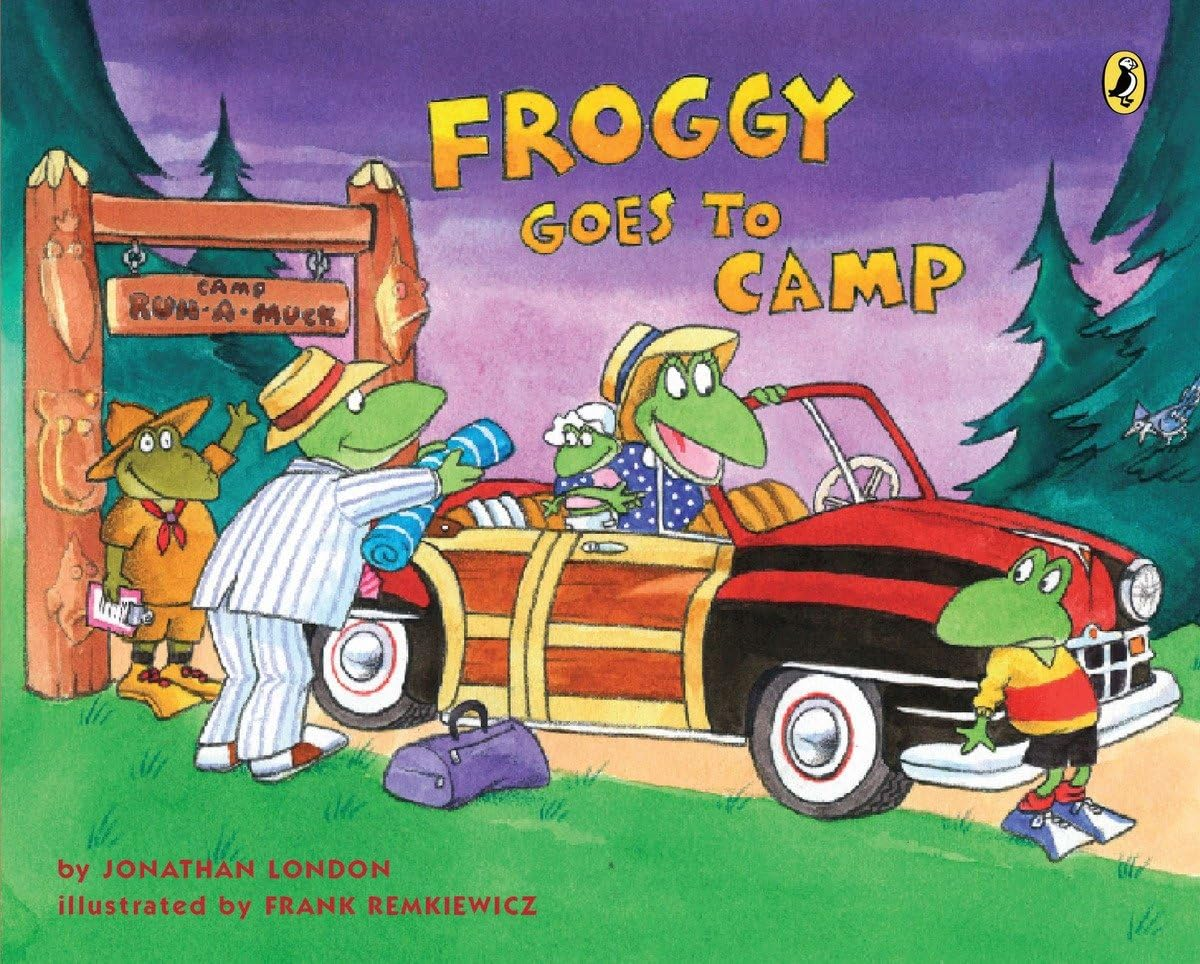
School’s out, and Froggy is off to sleepaway camp. He and his bunkmates’ days are filled with kayaking, archery, swimming, and friendship. Of course, no Froggy book would be complete without some silly mishaps, which kids love!
I use this book to make text-to-self connections about summer camp or trying something new this summer.
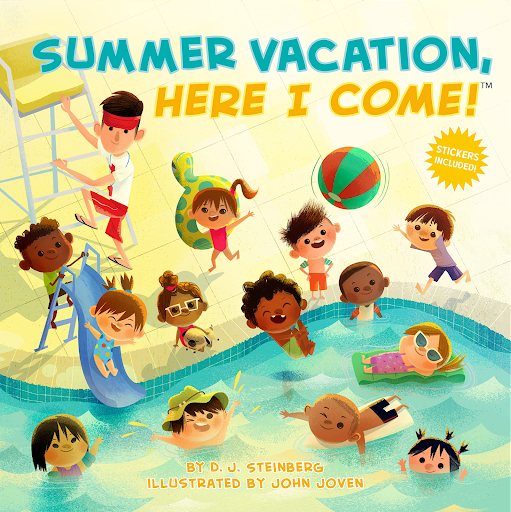
11. Summer Vacation, Here I Come! by D.J. Steinberg
If you are looking for summer read-alouds involving poetry, this one’s for you. It’s full of whimsical, sunshiny poems that kids of all ages will love. Hello, summer vacation!
I like to have my students write their own summer-themed rhyming poems after we read this story. It’s a great way to review what we learned about poetry all year!
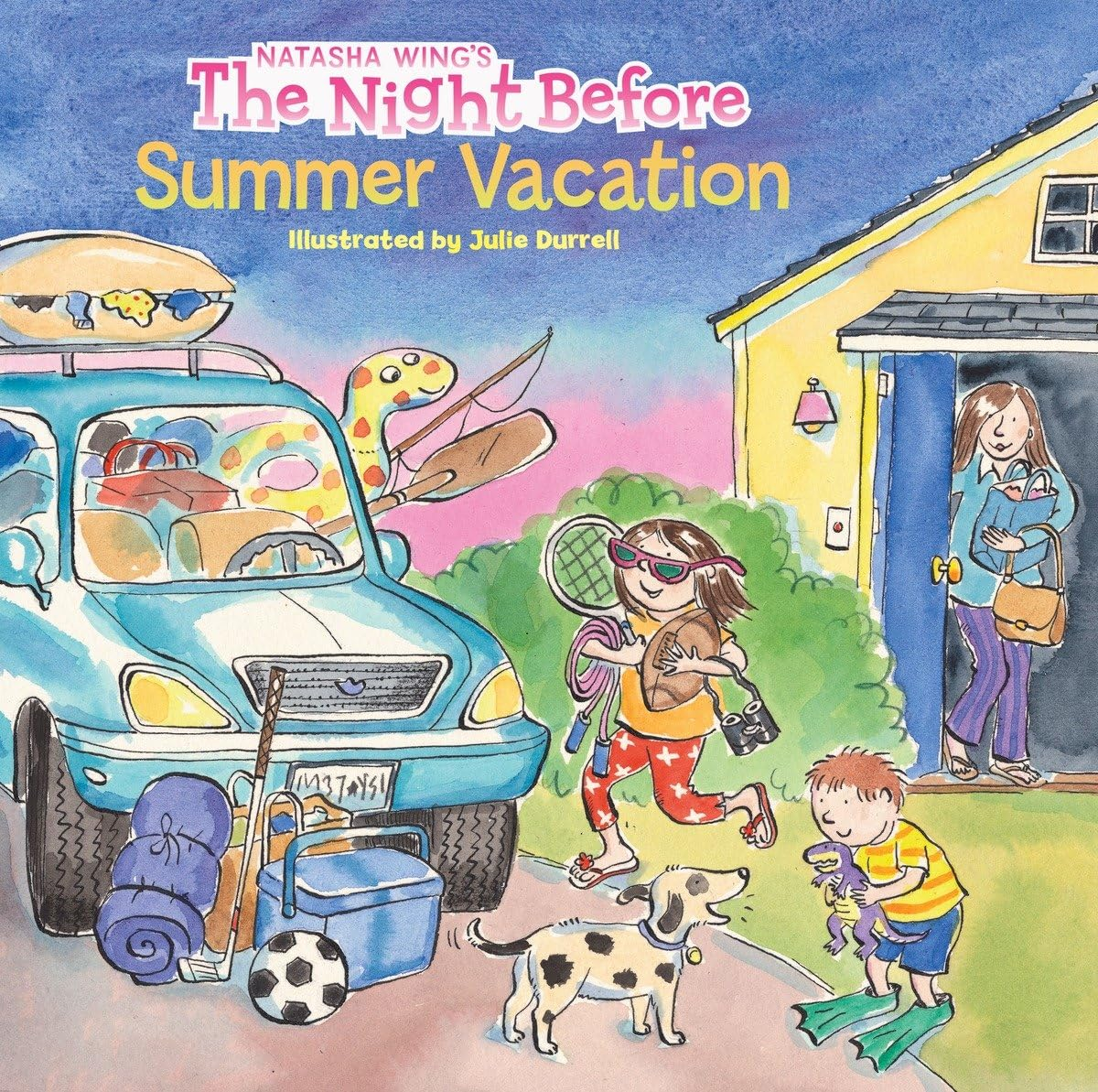
12. The Night Before Summer Vacation by Natasha Wing
Fans of Wing’s “Night Before” books will love this fun, rhyming story celebrating the end of the school year. This book will set the stage for the upcoming summer break and long-awaited summer adventures.
I use this book to build excitement during the last week of school and have students share their own summer plans. It works well as a writing prompt for a personal narrative about past summer experiences too.
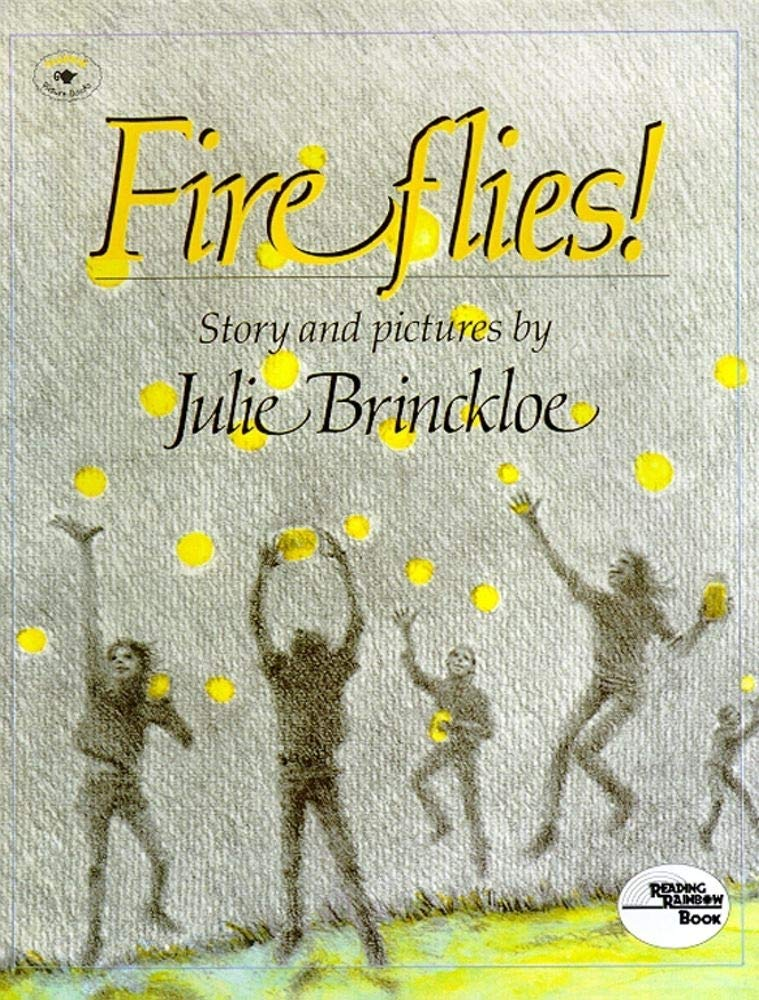
Summer is the season for fireflies, and a young boy has just discovered them for the first time. He and his friends catch a bunch in a jar, fascinated by their magical glow. As the night goes on, he realizes that the insects cannot survive this way and learns a lesson about the beauty of nature.
I use this story to teach about respecting nature and living things. It also opens up meaningful discussions about empathy and making thoughtful choices.
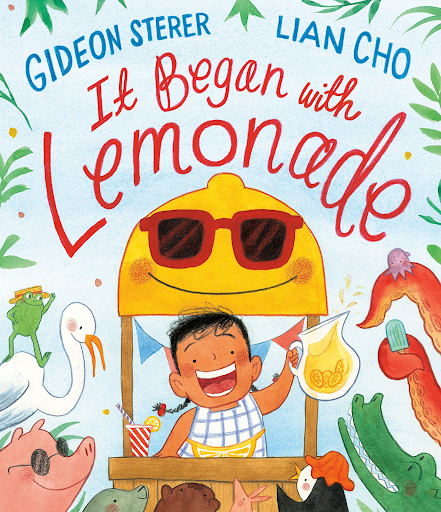
14. It Began With Lemonade by Gideon Sterer and Lian Cho
As our main character sets out to sell lemonade one hot summer day, it turns out her bright idea isn’t very original. After bumping into another stand on every street corner, she finally ends up down by the river, away from the hustle and bustle. This is where her true adventures begin, with a whole new world of thirsty, quirky friends!
This book is great for introducing basic economic concepts like supply, demand, and entrepreneurship. I then have students create a poster promoting their own lemonade stand or other small business idea.
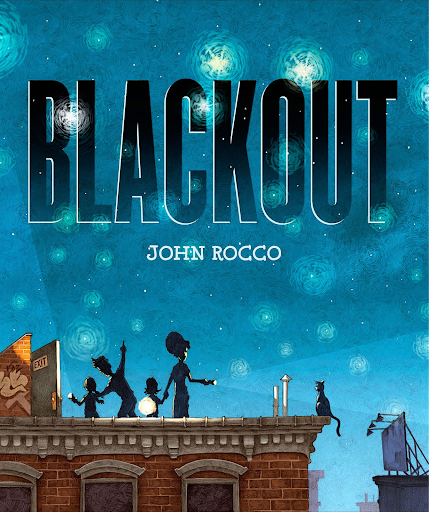
In this Caldecott Honor book, see what happens when a blackout takes over the city on a hot summer night. What is a kid to do without computers, tablets, and television? As it turns out, there are a whole lot of fun activities that don’t even require electricity! Help encourage kids to get off those screens with summer picture books like this one.
Most of my students have experienced a power outage at one time or another. We share our experiences of losing power and how we coped, while brainstorming fun ideas for the next time it happens.
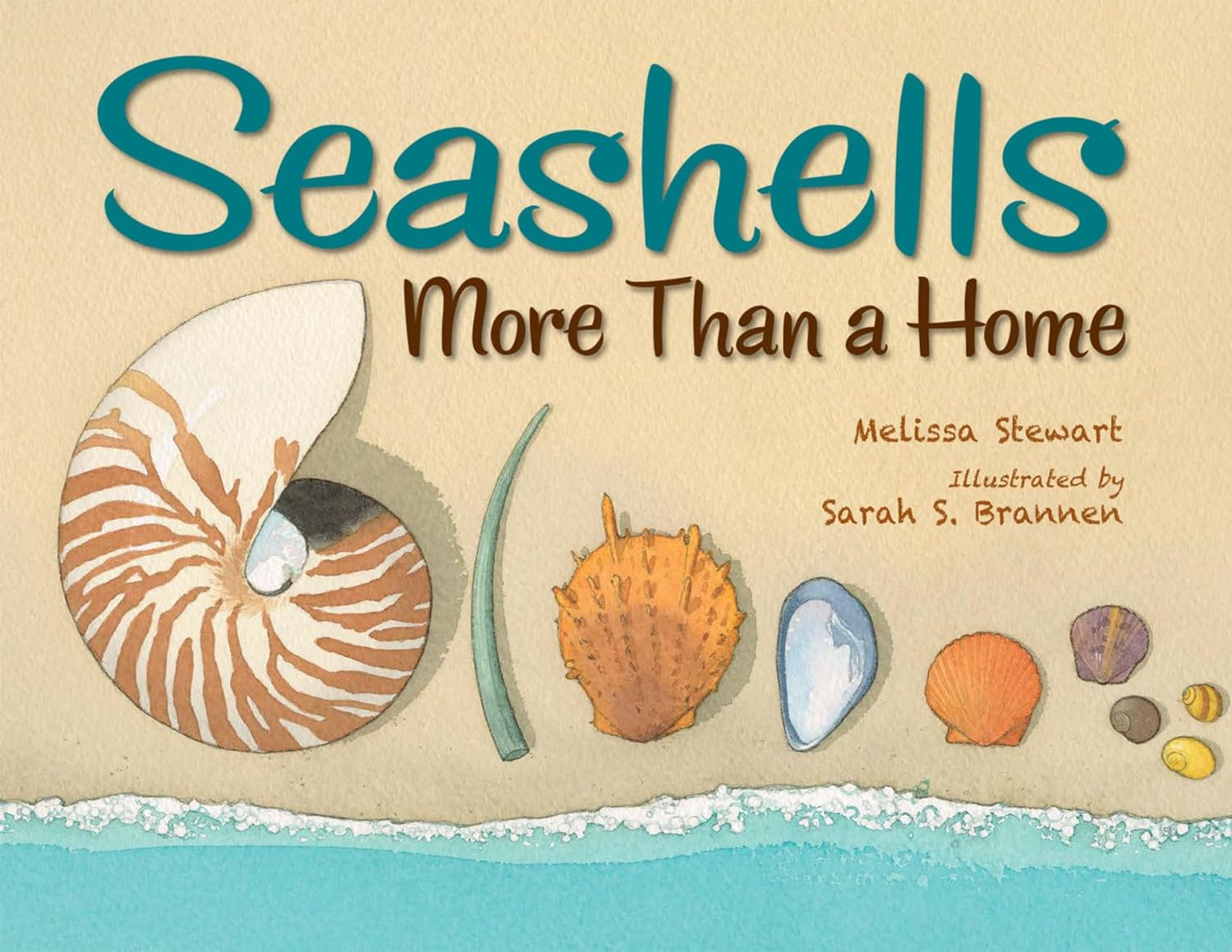
16. Seashells: More Than a Home by Melissa Stewart
Summer is the season for long days at the beach. Searching for seashell treasures is always fun, and this book helps kids learn more about them. Their different sizes and shapes all serve unique purposes.
I use this book to help students brainstorm animals with shells. I like to make a competition out of it, allowing students to work in teams. It’s also a fun way to encourage students to take a closer look when combing the beach for cool finds.
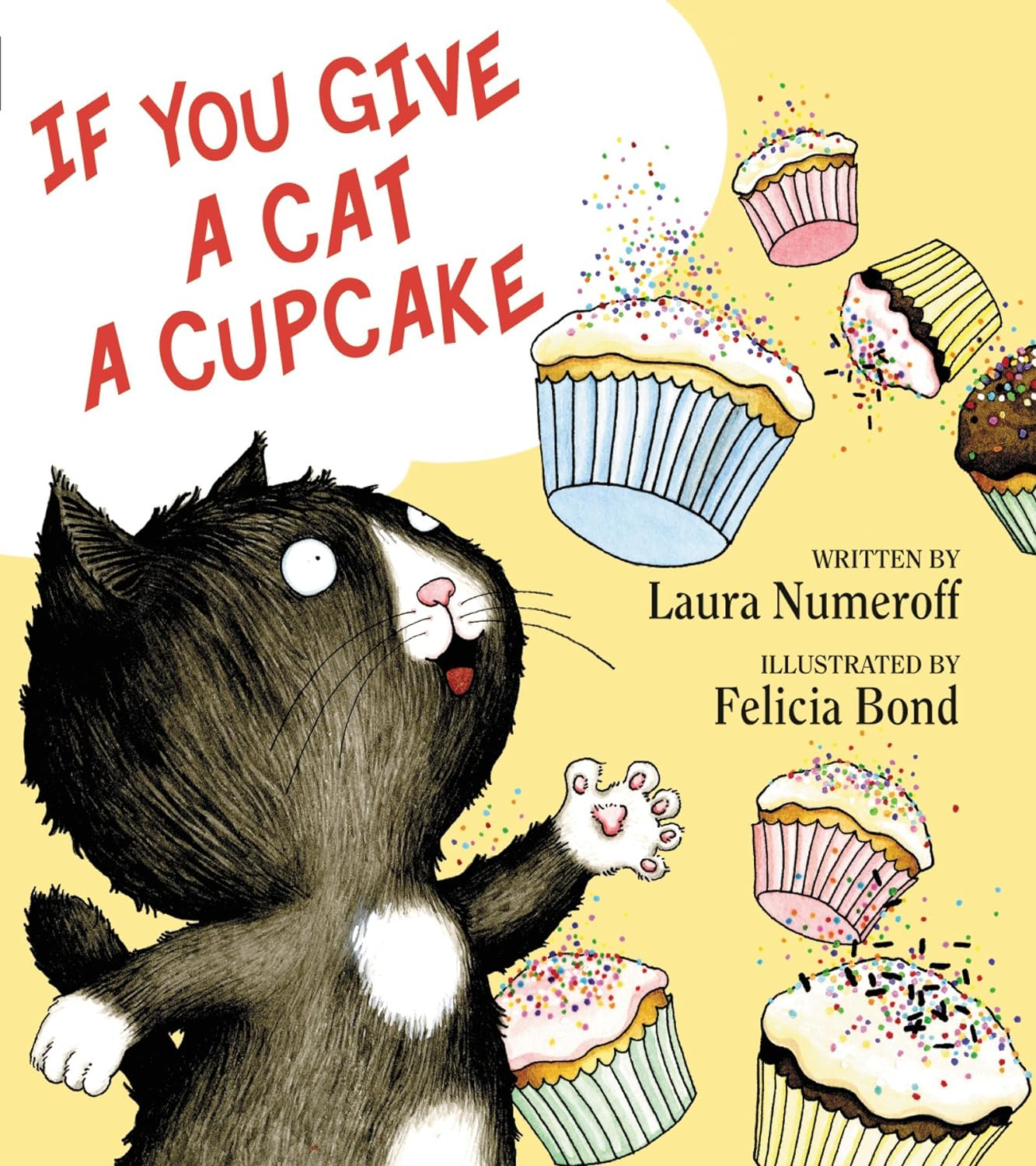
When a little girl and her cat spill some sprinkles, it reminds the cat of sand. This quickly inspires them to head out to the beach, which in turn leads to stops at other popular summer spots. This cute, circular story follows the tradition of Numeroff’s other books from this famous series.
I use this book to teach sequencing and cause-and-effect relationships. It’s a great mentor text for students to create their own circular stories too.
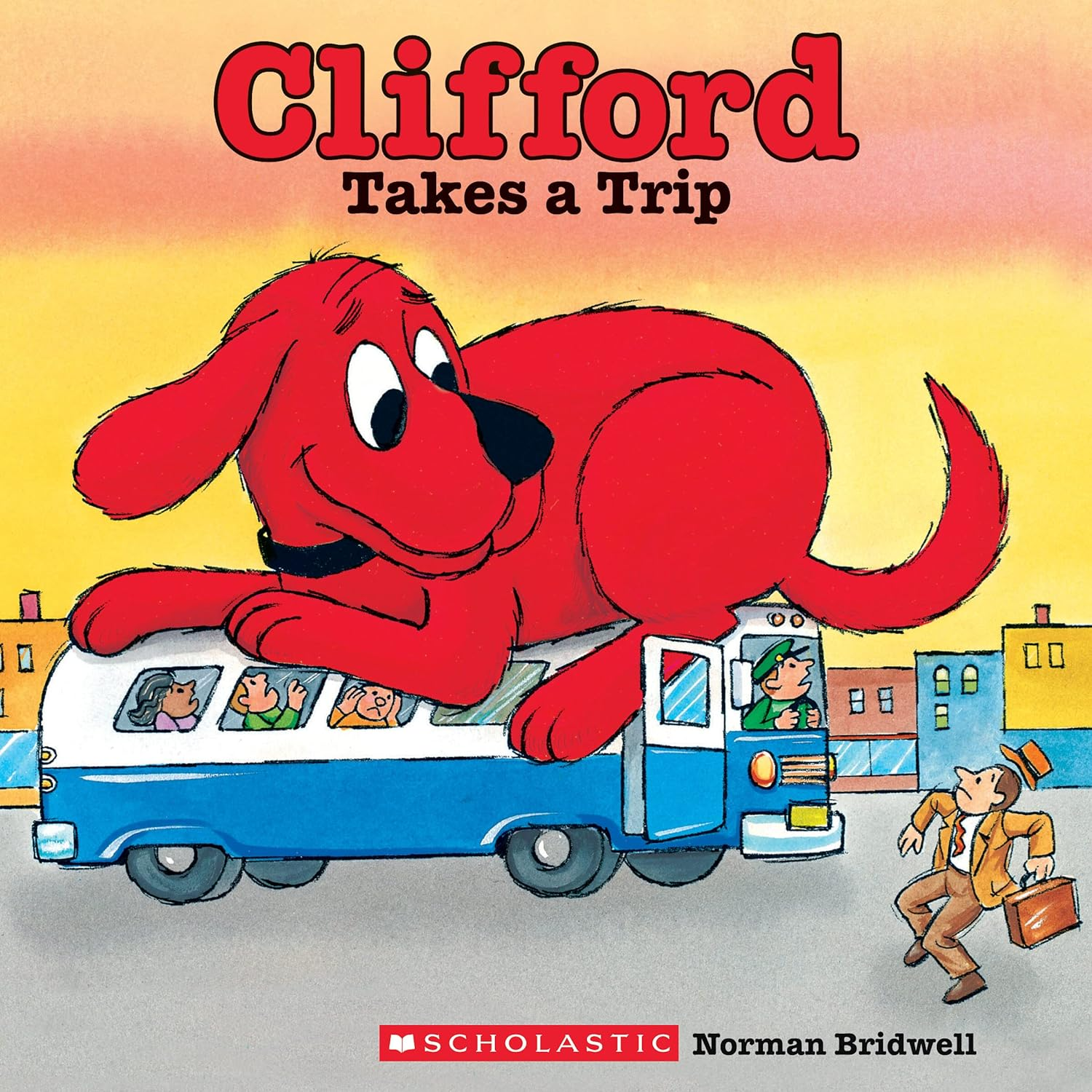
Summer has arrived, and Emily Elizabeth and Clifford are ready for their summer staycation. Find out what happened when Clifford was left behind with a neighbor the previous summer while the rest of the family took a trip to the mountains.
I love using this book to help kids imagine what goes on when we leave our pets at home while on a vacation or even for just day-to-day activities. I have them write cute stories using personification and creativity.
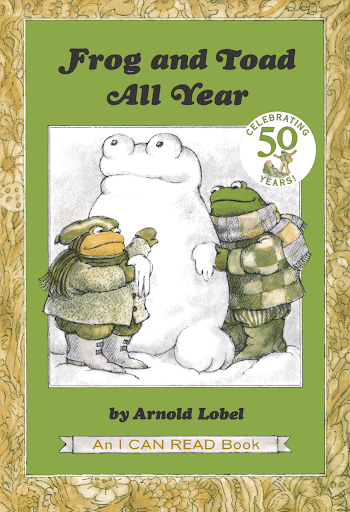
Technically this isn’t strictly a summer picture book, since it covers all four seasons. But if you’re looking for summer children’s books for Frog and Toad lovers, this is the one. Join this dynamic duo as they explore summer and the changes that come before and after it in this classic book. This is also a great introduction to the beloved Frog and Toad series.
I use this book to explore friendship and seasonal changes throughout the year. I have the students compare and contrast different times of year and how activities with our friends change with each cycle. Take it further using a Venn Diagram template.
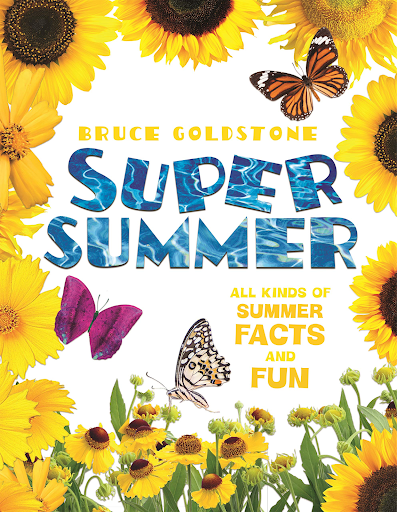
20. Super Summer: All Kinds of Summer Facts and Fun by Bruce Goldstone
It’s always a great idea to incorporate nonfiction summer read-alouds into your library to mix things up. This summer children’s book is full of fascinating facts about the warmest season on our planet. It includes real photographs and craft ideas to help build further connections to the text.
I like to have students do a roundup of fun facts about summer after we read the story using what they learned and age-appropriate research tools. They show off their knowledge by creating slide decks full of fun facts and graphics.
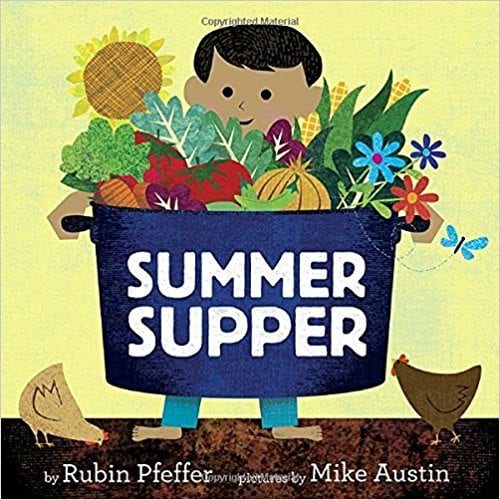
This alliterative delight chronicles a delicious summer meal—from planting to preparation to dinnertime. Yum!
We love talking all about food in my classroom, so this is the perfect book to springboard discussions about our favorite summer foods. I like to then challenge students to stretch their brains and come up with one food for every letter of the alphabet in teams for some fun competition.
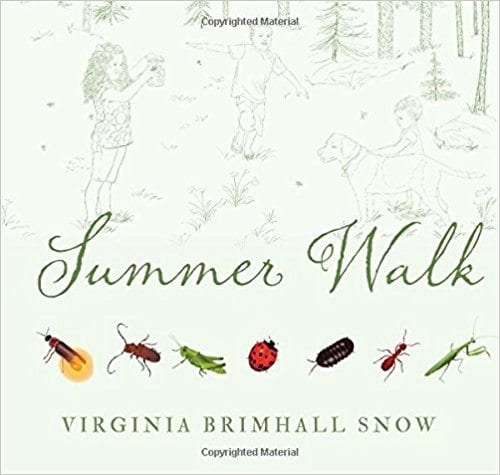
What better way to spend a summer day than hunting for bugs? The children in this book find ladybugs, dragonflies, stink bugs, and more during a visit to Grammy’s house.
This book helps support a lesson on insects and observation skills. I like pairing it with a nature scavenger hunt journaling activity. The students have fun identifying bugs and recording their observations in their science notebooks. Plus, they love any opportunity to take learning outdoors!
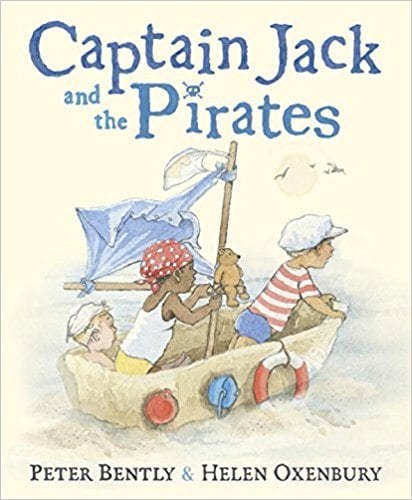
23. Captain Jack and the Pirates by Peter Bently and Helen Oxenbury
Summer adventures at the beach are even more fun when kids use their imagination. A sandpit becomes a pirate ship for Jack and his pals.
I use this book to inspire storytelling. It’s perfect for encouraging students to create their own adventure narratives based on both life experiences and make-believe scenarios.
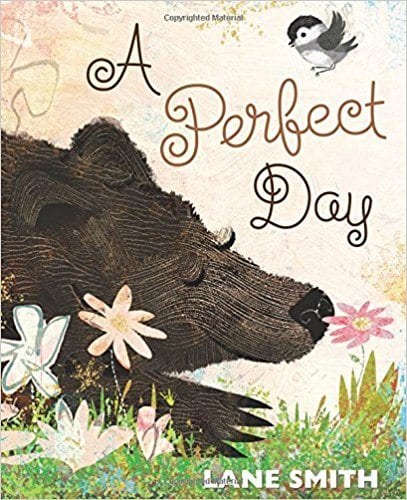
Each animal has its own idea of a perfect summer day, from lounging in the warm sun to cooling off in a refreshing pool. And Bear? Well, Bear likes it all. Ask your kids, “What would happen on your perfect summer day?”
This is another book that encourages text-to-self connections based on past summer experiences.
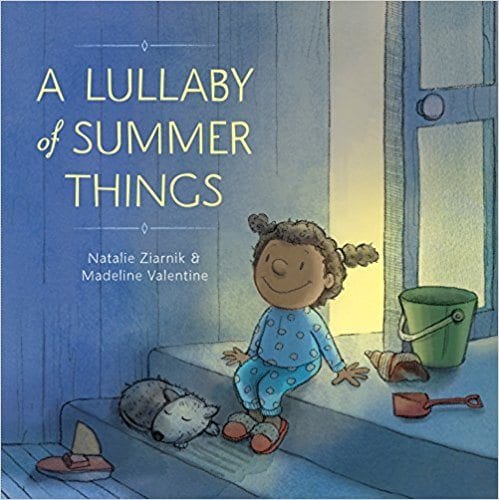
25. A Lullaby of Summer Things by Natalie Ziarnik and Madeline Valentine
This rhyming text captures the special feel of a summer evening—everyone’s tired, sandy, and content after a busy day at the beach.
I use this book to encourage using our five senses to vividly describe our experiences. It’s a great mentor text for helping students write about what they see, hear, and feel on special days outside of school.
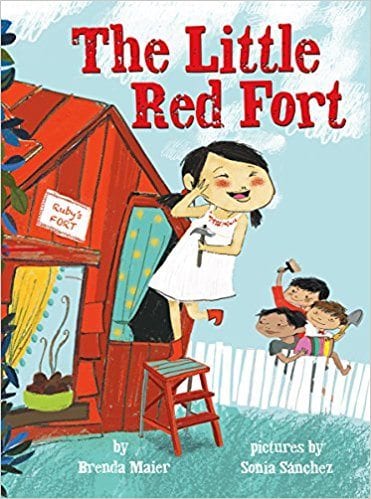
We adore this updated take on The Little Red Hen. When Ruby makes plans for an epic summer fort, none of her brothers are interested—until she builds it and they see how amazing it is.
Naturally, I pair this fractured fairy tale with a reading of The Little Red Hen for some compare-and-contrast action.
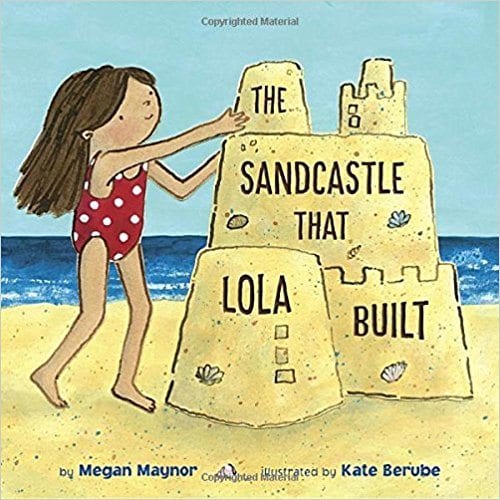
27. The Sandcastle That Lola Built by Megan Maynor
In this beach-themed version of The House That Jack Built, Lola builds a fantastic sandcastle—and makes a host of new friends in the process.
Like the story above, I pair this with the original story, The House That Jack Built, and have the kids compare and contrast the two. It’s also a good gateway to STEM activities where students are given a variety of materials and build their own model sandcastles.
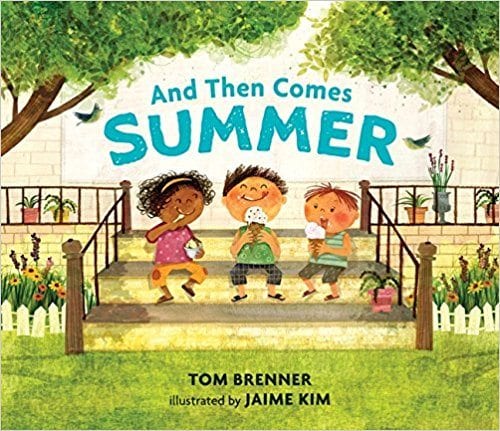
Get excited about lazy summer days full of possibility. Tom Brenner invites kids to delight in seasonal rituals like pumping up bike tires, hosting a lemonade stand, and playing hide-and-seek until it gets dark, along with many more.
Here’s another story to help kids reflect on summer activities of the past, while looking into what’s in store for the future. We all know kids love talking about all things summer at the end of the school year!
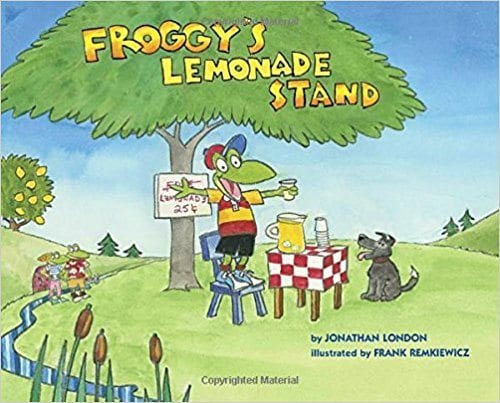
Froggy’s latest great idea is a summer staple: a lemonade stand! In classic Froggy fashion though, there are a few hiccups along the way.
Kids love hearing about Froggy’s misadventures in life, which always seem to work out in the end. I have students think back to a time when things didn’t quite work out as planned and how they coped. We also discuss problem-solving skills, which are handy to have in their toolboxes!
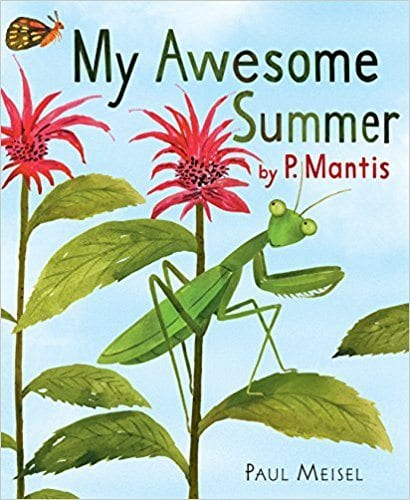
Kids may spend the summer on the beach, at cookouts, or at camp, but P. Mantis’ diary is more about shedding skin and camouflage. This creative look at the life cycle of a praying mantis gives a different perspective on summer’s passing.
This book provides an excellent example of life cycles. We then examine the life cycles of other animals, such as butterflies, frogs, and chickens.
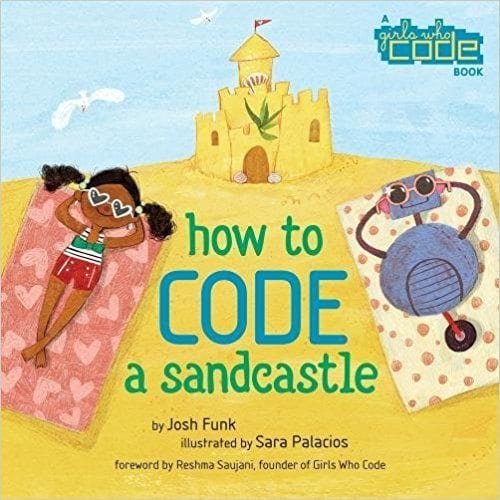
Pearl has been trying to build a sandcastle all summer without success, so she calls in her trusty rustproof robot, Pascal, to help. She writes code to make Pascal build the perfect sandcastle, teaching readers basic coding concepts along the way. So smart and so fun!
I use this book to investigate computational thinking and problem-solving. It’s perfect for integrating STEM into literacy.
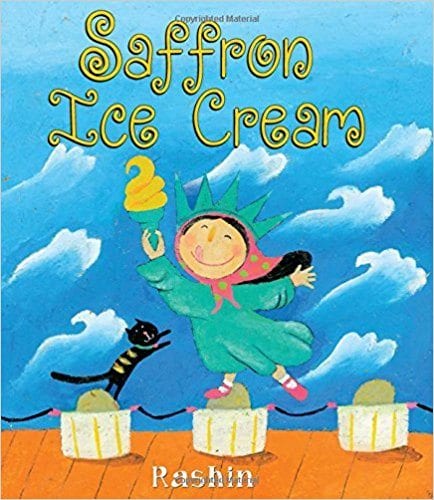
Rashin reminisces about her family’s trips to the Caspian Sea when they lived in Iran and wonders how a trip to Coney Island will compare now that they live in Brooklyn. Get students thinking about how summer fun is both the same and different in other parts of the world.
This books opens the door to discussions relating to our families and unique cultures. We have fun learning about different ways our families spend time outside of school. We also have fun talking about different places we have visited and places on our bucket lists.
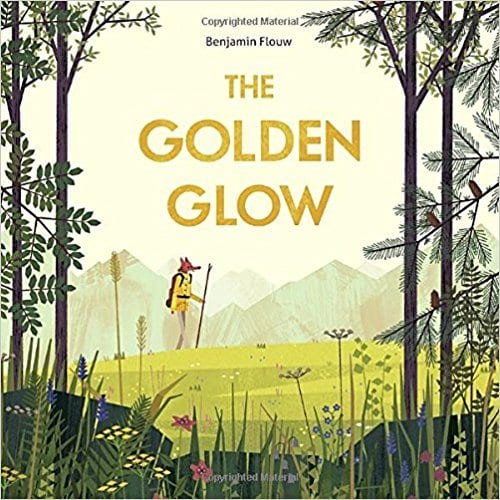
Fox goes on a summer hiking expedition in search of a rare flower described in his botany book. He encounters many other forest plants and animals along the way before finally finding “the golden glow.”
Read this to inspire kids to plan their own summer hikes, while reminding them to pay attention to the wonders of nature all around them. It’s great for discussing perseverance and discovery.
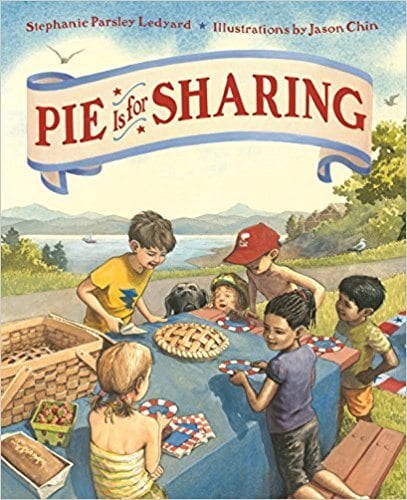
34. Pie Is for Sharing by Stephanie Parsley Ledyard
Summer is the perfect season for sharing, whether it’s pie, a ball, or a towel. This title will have everyone counting the days until the next summer picnic.
I use this book to build classroom community and discuss kindness and sharing. I then connect it to summer get-togethers and encourage students to apply those concepts outside of the classroom.
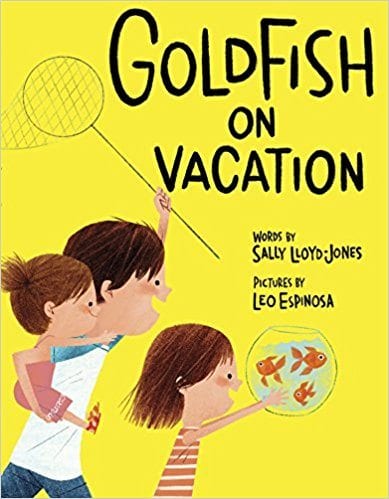
City kids bring their goldfish to a local fountain for the summer. This sweet story about summer in the city is based on real events at the Hamilton Fountain in New York City.
This story inspires students as they pretend to be a goldfish and write about what the goldfish is thinking and feeling in each part of the story. It’s also a great tool for exploring the elements of plot.
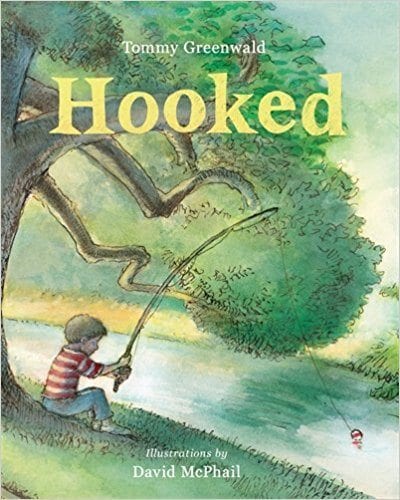
Joe loves fishing, but it takes an unexpected ice-fishing experience to get his dad interested. By the following summer, both father and son are “hooked.” Kids will enjoy thinking about funny items they could “catch.”
This book helps springboard discussions on perseverance and patience. It also connects well to conversations about outdoor summer activities or trying new hobbies. Lots of text-to self-connections bubble up, lending to personal narrative writing ideas.
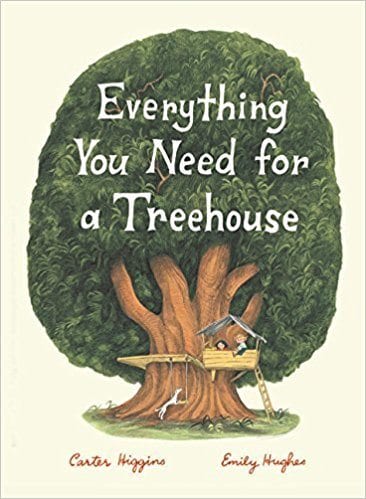
37. Everything You Need for a Treehouse by Carter Higgins and Emily Hughes
“Everything you need for a treehouse starts with time and looking up,” this lyrical text proclaims. This ode to creative possibility will get readers dreaming about summer building projects.
Here is another story that helps students write and illustrate stories about building a dream treehouse. Every kid loves the idea of this coming to fruition!