
Food has an incredible way of bringing people together and generating good conversations, and it can have that same positive impact in the classroom. The food choices we make on a daily basis have educational opportunities that go much deeper than general nutrition education. From food waste and sustainability to new technology and planning for the future, there are many ways learning where your food comes from can fuel lessons in all sorts of subject areas.
We’re excited about the Educated Choices Program, a nonprofit that provides free food-related nutrition education to schools. The materials are available in multiple languages and include videos, lesson plans, and student activities for more than a dozen topics. While food systems, nutrition, and sustainability are often overlooked in traditional curricula, these lessons make it easy to bring real-world topics into the classroom. Even better, recent research from the University of Cambridge and the University of Edinburgh found that students were 2.5 times more likely to make positive dietary changes after engaging with the program.
While they have education for all ages, one of their newest offerings, the Bite-Sized Learning Series, is specially designed for younger students, helping them explore food and health in fun ways. Ready for some free video lessons? Here are 11 lessons that stand out for being relevant, easy to implement, and engaging for students.
Learn about the personal impacts of your food choices with Healthful Eating
This nutrition education video, which has earned the Doctors for Nutrition seal of approval, focuses on learning about how the foods we eat every day can impact our health. It takes a look at how the right types of fiber, carbohydrates, protein, calcium, and other nutrients can prevent and reverse cancer and other diseases.
How it meets standards
The lesson aligns with 83 different academic objectives, so you can feel good using it across the board. It’s especially great for health and wellness, nutrition, and physiology.
Why we love it
This video does a great job of breaking down the food we see in our everyday lives. It does so in a friendly and visual way, helping students make the connection between food choices and overall health. Plus, it is available entirely in Spanish as well.
Discover the power of colorful nutrition with Micronutrient Rainbow
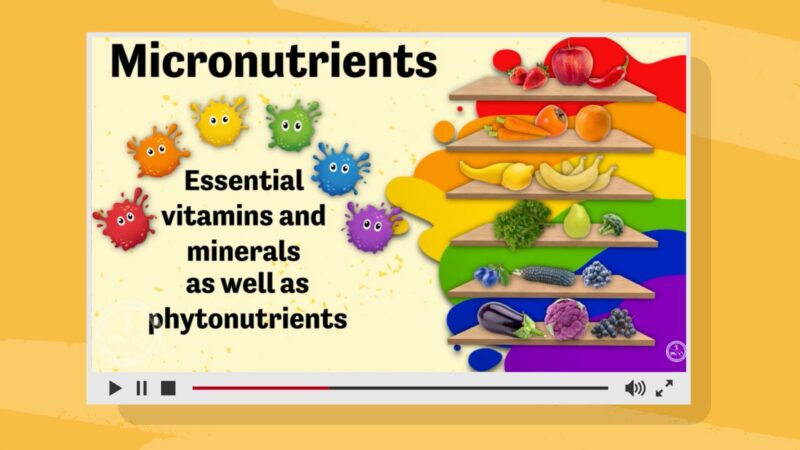
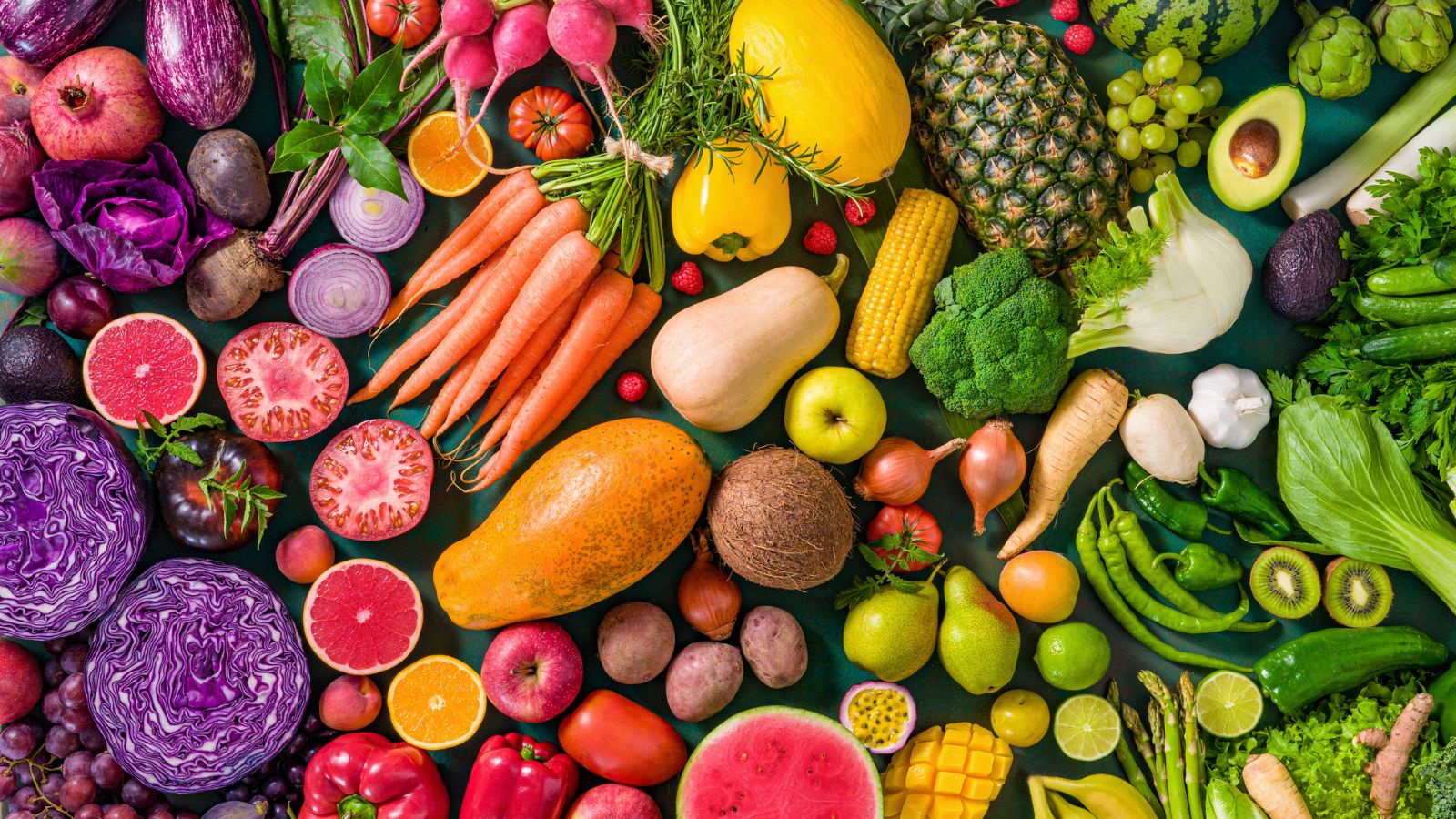
“Eat the rainbow” becomes more than just a saying in this lesson about vitamins, minerals, and the nutrients our bodies need to thrive. Students explore how colorful whole foods provide important micronutrients that support energy, immunity, mental clarity, and overall health. The lesson breaks down the science behind nutrition in an accessible way, helping learners understand how simple food choices can contribute to lifelong wellness.
How it meets standards
This lesson supports a variety of health, nutrition, and life science objectives. Students build their understanding of essential vitamins and minerals while exploring the role nutrients play in supporting overall health and wellness.
Why we love it
The colorful “eat the rainbow” framework gives students a simple way to connect food choices with health outcomes, while introducing key concepts like antioxidants, iron, calcium, and other essential nutrients.
Learn how food choices support heart health with Heart Smart
Heart disease is the leading cause of death worldwide, but many of its risk factors are connected to everyday habits that students can understand and explore. This lesson, developed in partnership with Doctors for Nutrition, introduces learners to the basics of cardiovascular health, including the different types of heart disease, common risk factors, and the role nutrition can play in prevention. Students also discover practical food choices that can support a healthier heart throughout life.
How it meets standards
This lesson supports health education, life science, nutrition, and wellness objectives. Students examine the relationship between diet and cardiovascular disease, compare different dietary patterns, and apply their learning through activities such as meal planning and critical analysis of nutrition choices.
Why we love it
Many students know they should “eat healthy,” but they often don’t understand why certain foods matter. This lesson makes the science behind heart health accessible and actionable, helping students connect everyday choices with long-term wellness.
Understand the science behind blood sugar with Unlocking Diabetes
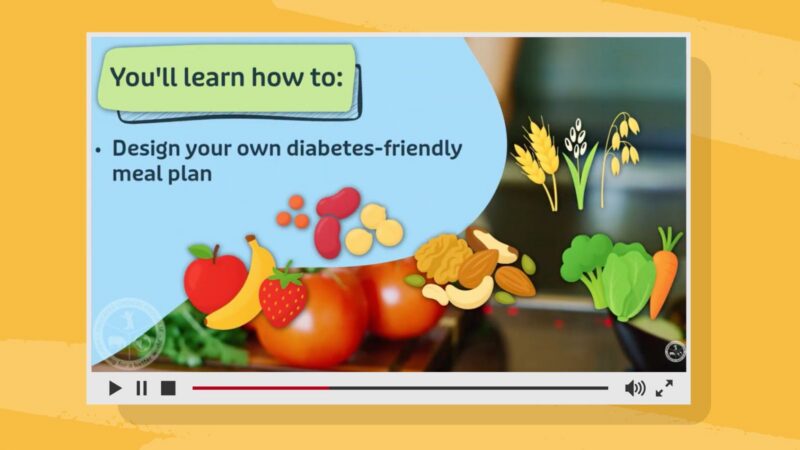
Diabetes affects millions of people worldwide, making it an important topic for students to understand as they learn about health and nutrition. This lesson, developed in partnership with Doctors for Nutrition, explores how diabetes develops, the differences between major types of the disease, and the role food choices can play in prevention and management. Students gain a practical understanding of blood sugar, insulin, and nutrition while discovering strategies that support overall wellness.
How it meets standards
This lesson supports health education, nutrition, and life science objectives by helping students examine how the body processes glucose and how dietary choices influence long-term health.
Why we love it
This lesson connects the science directly to everyday decisions. It does an excellent job of breaking down complex concepts like insulin and blood sugar into clear, student-friendly explanations.
Fuel healthy habits and athletic performance with Plant-Forward and Powerful
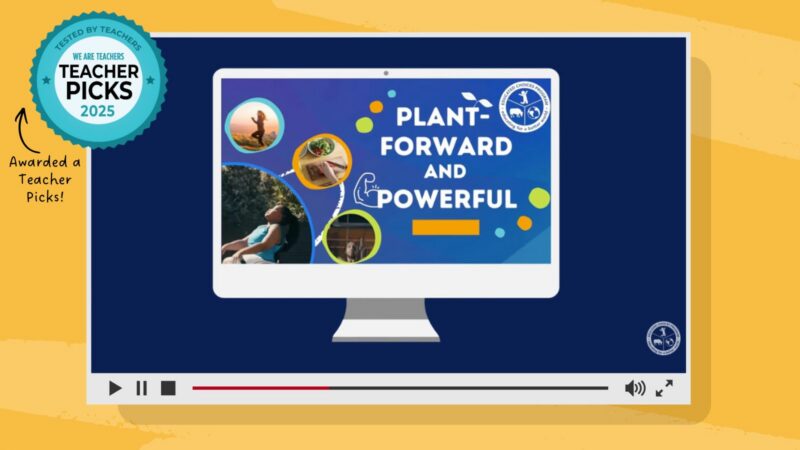
Students are often curious about the connection between nutrition and athletic success, and this lesson brings that relationship to life. Featuring insights from accomplished athletes, including an Olympic medalist and a Ninja Warrior competitor, the video explores how plant-forward nutrition can support endurance, strength, recovery, and overall performance. Along the way, students learn about the nutrients that help active bodies perform at their best.
How it meets standards
This lesson supports health, nutrition, life science, and physical education objectives. Students examine the role of macronutrients and micronutrients in exercise and recovery, learn how the body uses food as fuel, and evaluate how nutrition choices can impact physical performance.
Why we love it
Students are often exposed to myths about nutrition and fitness, making this lesson a great conversation starter. We especially like how it connects classroom learning to real-world examples from elite athletes, helping students see how healthy habits can influence performance goals.
Explore food, culture, and connection with Growing Community Roots
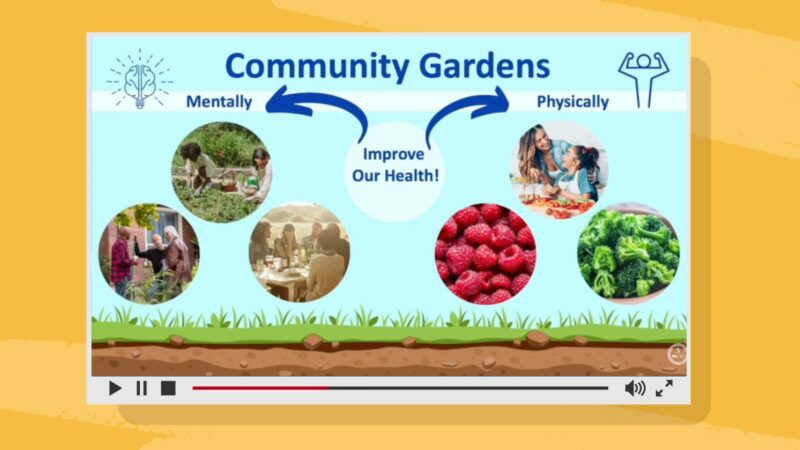
Community gardens do much more than grow fruits and vegetables. They help build stronger neighborhoods, preserve cultural traditions, and improve access to nutritious food. In this inspiring lesson, students learn about the history and impact of community gardening while exploring concepts like food sovereignty, food security, and local food systems. Real-world stories from community leaders and advocates help bring these ideas to life and show how collective action can create positive change.
How it meets standards
This lesson supports objectives in environmental science, social studies, health education, and community engagement.
Why we love it
It helps students see the connections between food, culture, community, and well-being while introducing important concepts like food sovereignty in an age-appropriate way.
Discover the power of plants in Eat for Your Health

Geared toward younger learners, this video explores how plant-based foods can help build balanced meals. From fruits and veggies to whole grains and legumes, students learn how each food group plays a role in fueling a healthy body. It’s also part of the Bite-Sized Learning Series and is available with captions in seven languages.
How it meets standards
It covers key objectives in nutrition education, introducing foundational concepts while providing resources to support extended learning.
Why we love it
We appreciate how accessible this video is for elementary students. It makes nutrition fun without being overwhelming, and the printable resources are a bonus for teachers.
Examine food supply in Rethinking Food Waste
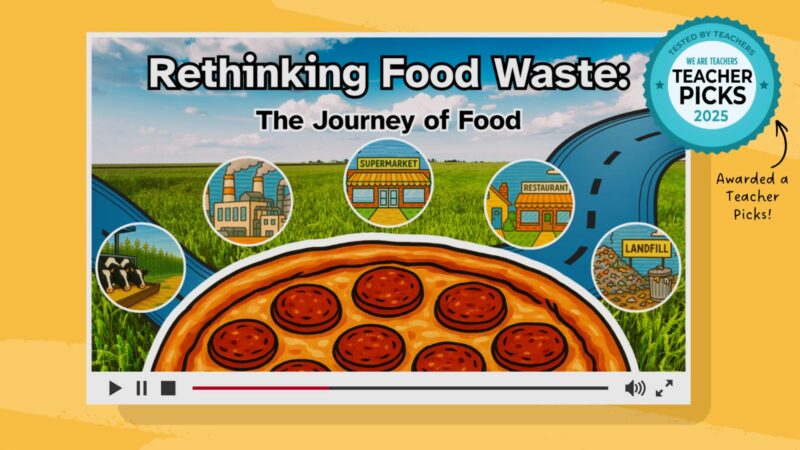
As a whole, the USDA estimates we waste between 30% and 40% of food—more than a billion tons per year. This video really takes a closer look at the food supply chain to break up the four stages: production, processing, distribution, and consumption. It is also a featured We Are Teachers Teacher Pick. Teacher Christine Arsenis reviewed the program and wrote, “I appreciate how the lesson guides are easy to follow and provide a complete set for educators who are looking to supplement their curriculum with relevant information.”
How it meets standards
This lesson aligns with 64 standards, especially when it comes to scientific inquiry and problem-solving.
Why we love it
It takes something really familiar to most people—a slice of pizza—and looks at how easy it can be to create food waste. This relatable, simple example is perfect for engaging students.
Look at technology and the future of food

How can technology play a role in improving food sustainability in the future? This nutrition education video takes a look at our past, present, and future to gain a better understanding of what needs to be done to really make a difference.
How it meets standards
It applies to 91 different educational standards, including environmental health, technology, and the tie between society and the environment.
Why we love it
It feels like this is just the beginning when it comes to conversations about food technology, and this is a great tool to help teachers have these conversations with students.
Help students protect the planet with Eat for the Earth

This introductory environmental video helps kids understand how our food choices can affect the planet—from the land and water we use to greenhouse gas emissions. It’s part of the Bite-Sized Learning Series for ages 8-11. It breaks down big ideas into smaller, easy-to-grasp parts and ends with a virtual cafeteria activity where students build a more sustainable meal.
How it meets standards
It covers key objectives in environmental science, sustainability, and responsible decision-making, with resources to support extended learning.
Why we love it
It’s hard to find age-appropriate content that connects food to environmental impact, and this one really works. It introduces concepts like pollution and emissions in a relatable way and encourages kids to think critically about how they can help.
Discover the connection between the environment and modern agriculture
How are dietary choices connected to challenges like deforestation, excessive resource usage, and water and air pollution? This video lesson answers these questions and others by looking at sustainability as a whole.
How it meets standards
The video lesson taps into 70 different educational standards, including those in career development, ethical and social responsibility, and design and biotechnology.
Why we love it
The lesson tackles animal- and plant-based foods in factual and thoughtful ways. It shares the information, encourages discussion, and suggests incremental and accessible dietary changes.
You can feel good about using these video lessons in your day-to-day curriculum because the team at the Educated Choices Program has developed dozens of educational guidelines based on academic standards throughout the United States, Canada, and several other countries. We highlighted the number of standards that align with each of these, which you can use with their handy guide tied to these key categories:
- Family and Consumer Science
- Health, Wellness, and Physical Education
- Environmental and Earth Sciences
- Engineering, Technology, and IT
- Biology and Life Sciences
- Physics and Chemistry
- Language Arts and Literacy
- Philosophy, Ethics, and Religion
- Social Studies
- Careers
- Economics, Business, and Finance
- Mathematics
- Arts
- Foreign Language
Food really can be a great launchpad for teaching about biology, social studies, mathematics, and many other subjects. To see even more free video programs and lessons, check out the Educated Choices Program Library. These ready-made nutrition education lessons are just what you need to get conversations going in your classroom.