
Social-emotional learning encompasses skills like managing emotions, making friends, empathy, and understanding. They’re skills that will help students succeed and can be taught using these amazing social skill books for kids, including recent releases you may not have seen yet. These books are fantastic for starting classroom conversations about all kinds of SEL skills.
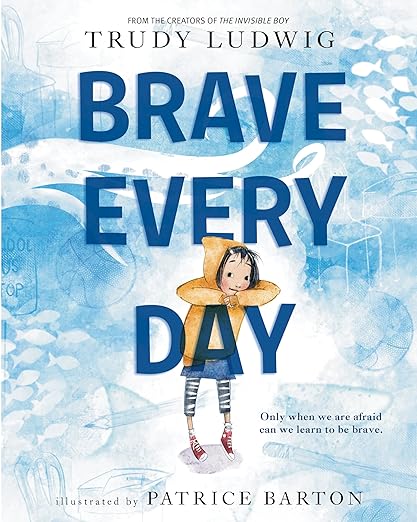
1. Brave Every Day by Trudy Ludwig
Camila and Kai are both scared about their class’ field trip to the aquarium, though they show it in different ways. It turns out that supporting each other helps them both.
This story is perfect to talk about new experiences and how we all show feelings differently.
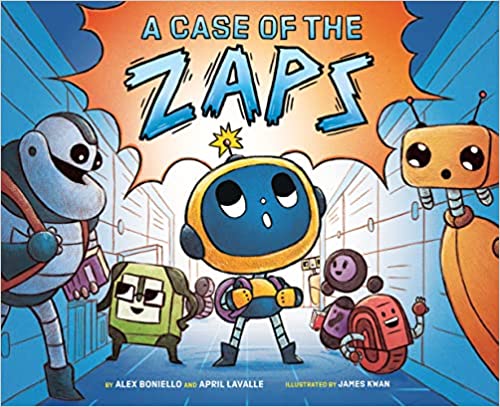
2. A Case of the Zaps by Alex Boniello and April Lavalle
Robot Pi’s class is planning a class trip to “where it all started, Olde Silicon Valley.” (Ha!) It’s supposed to be exciting, but Pi’s worries quickly kick into “overdrive.” The fun robot metaphors give kids helpful language for talking about anxious feelings. Bonus: We appreciate the incidental use of they/them pronouns for the main character!
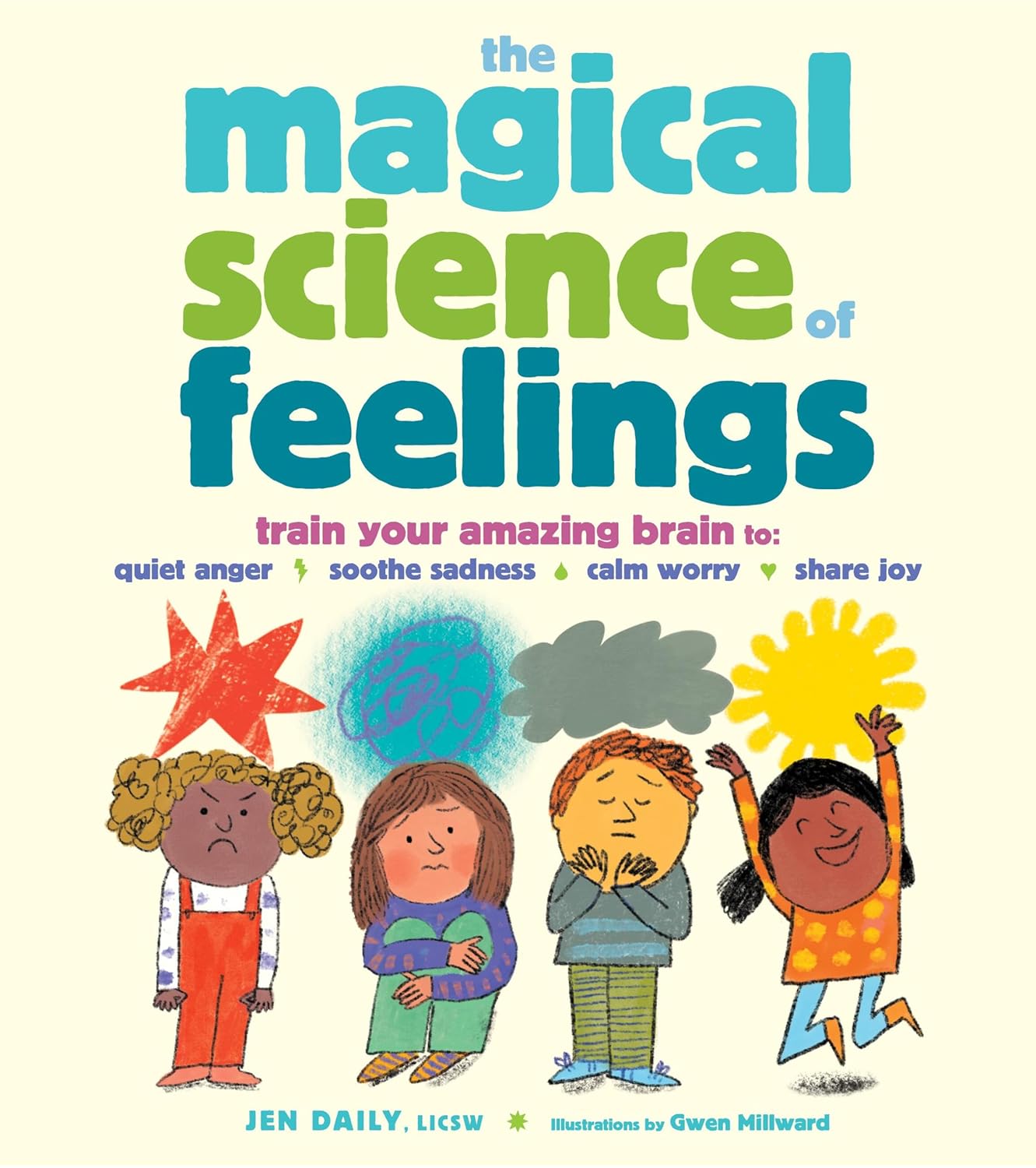
3. The Magical Science of Feelings by Jen Dailey
Feelings often seem like they come out of nowhere, but in this hugely helpful book, social worker Jen Dailey explains the science of feelings using a kid-friendly approach that also empowers readers to regulate their own emotions.
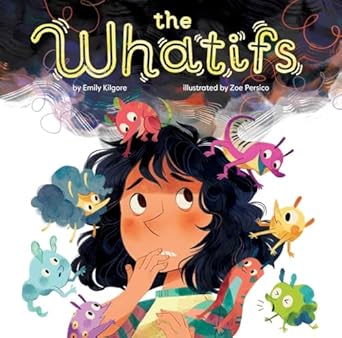
4. The Whatifs by Emily Kilgore
Scary “Whatifs” follow Cora everywhere, and it only gets worse as she prepares for her big piano recital. Her outlook changes when Stella challenges her to turn her bad Whatifs into good ones. This is a great book to read one-on-one with an anxious student, or as a read-aloud to help your class understand what anxiety feels like.
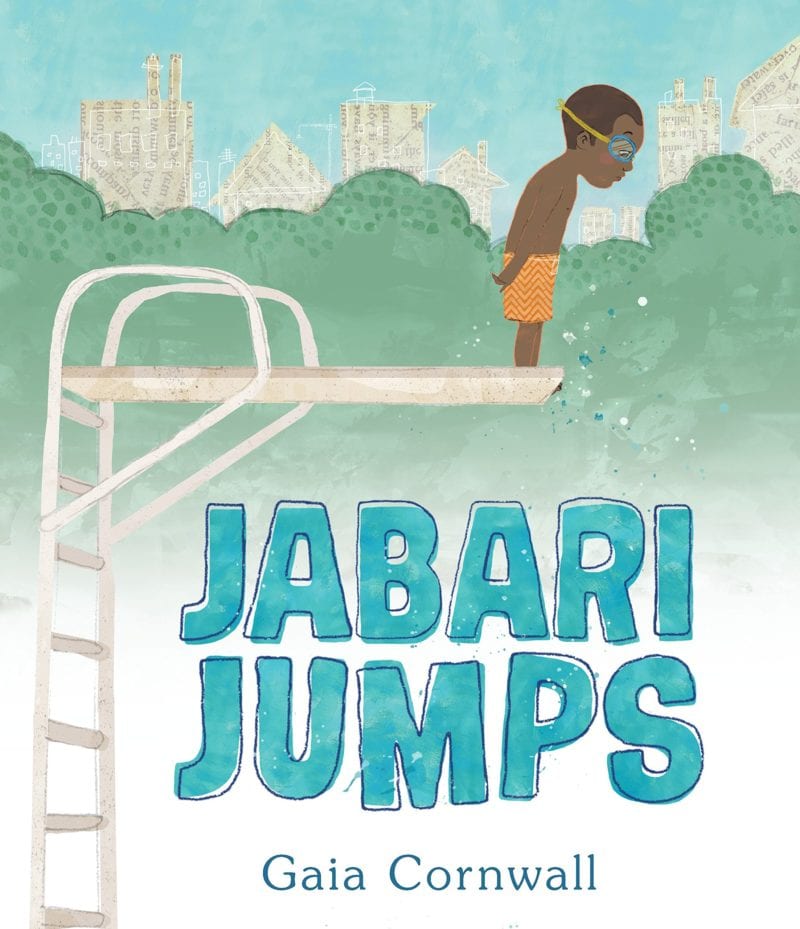
5. Jabari Jumps by Gaia Cornwall
Jabari is definitely ready to jump off the diving board. He’s finished his swimming lessons and passed his swim test, and he’s a great jumper, so he’s not scared at all. Jabari Jumps is a wonderful book to talk about how it feels to try something new, and how to reframe scary experiences into something positive.
Also check out the sequel Jabari Tries to talk about perseverance!
Get 1 Book Free for Every 5 You Buy!
Stocking your classroom library? With ThriftBooks 4 Teachers, every fifth book is free! Learn more>>
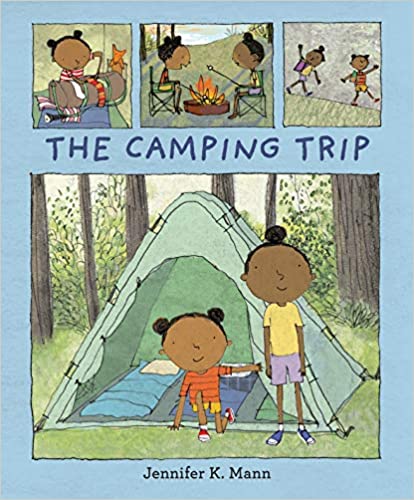
6. The Camping Trip by Jennifer K. Mann
Ernestine is super excited to go camping for the first time with her aunt and cousin—until they reach the campsite, that is. Then everything feels scary, and she misses her dad. Use this book as a read-aloud to talk about new experiences and how to deal with big feelings, like missing a parent.
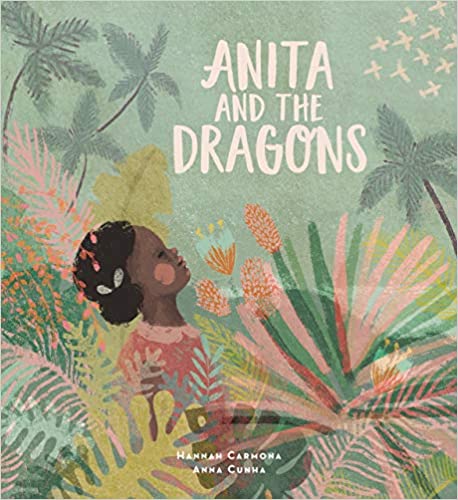
7. Anita and the Dragons by Hannah Carmona
Fear of “dragons” almost overcomes Anita as she and her family prepare to emigrate from their home in the Dominican Republic. Her brother reminds her, “They aren’t real dragons. They’re just planes in the sky.” We love this book because of its ability to build empathy for others’ experiences, and to talk about how we handle fear.
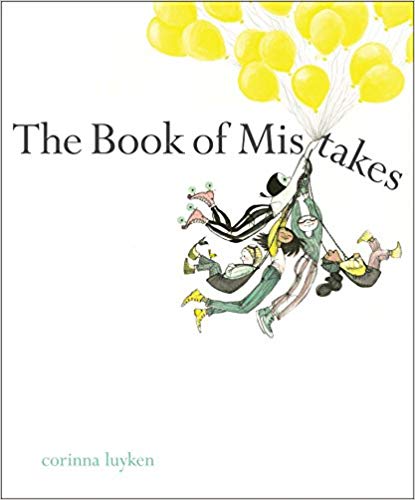
8. The Book of Mistakes by Corinna Luyken
Zoom meets Beautiful Oops! in this book about the creative process and the way in which “mistakes” can blossom into inspiration. Use this book to start the school year when you want students to get right into a growth mindset, or break it out when you see students getting frustrated with a project.
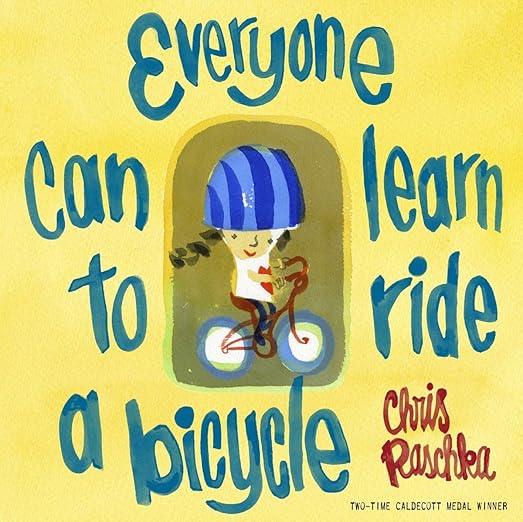
9. Everyone Can Learn To Ride a Bicycle by Chris Raschka
Learning to ride a bike is one of the most important milestones of childhood, and this book captures the emotional ups and downs of the experience. With younger students, use this book to talk about the feelings we experience when learning. For older students, use riding a bike as a metaphor for learning.
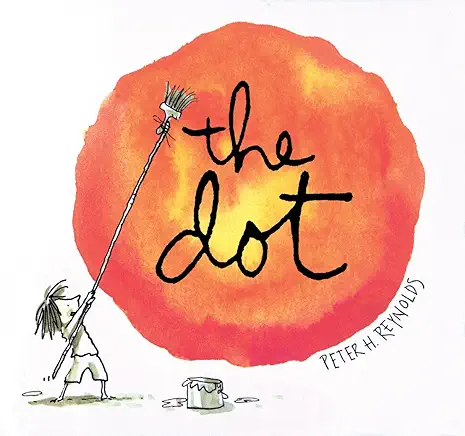
10. The Dot by Peter Reynolds
The words of her teacher are a gentle invitation to express herself. But Vashti can’t draw—she’s no artist. Use this text to get students thinking about the ways they can express themselves, and even make your own dots.
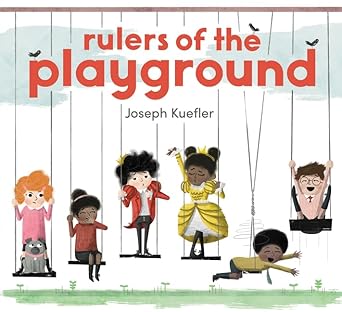
11. Rulers of the Playground by Joseph Kuefler
One morning, Jonah decided to become ruler of the playground. Everyone agreed to obey his rules to play in King Jonah’s kingdom … everyone except for Lennox, because she wanted to rule the playground too.
Read this book to reinforce playground etiquette and to help students navigate friendships in unstructured spaces.
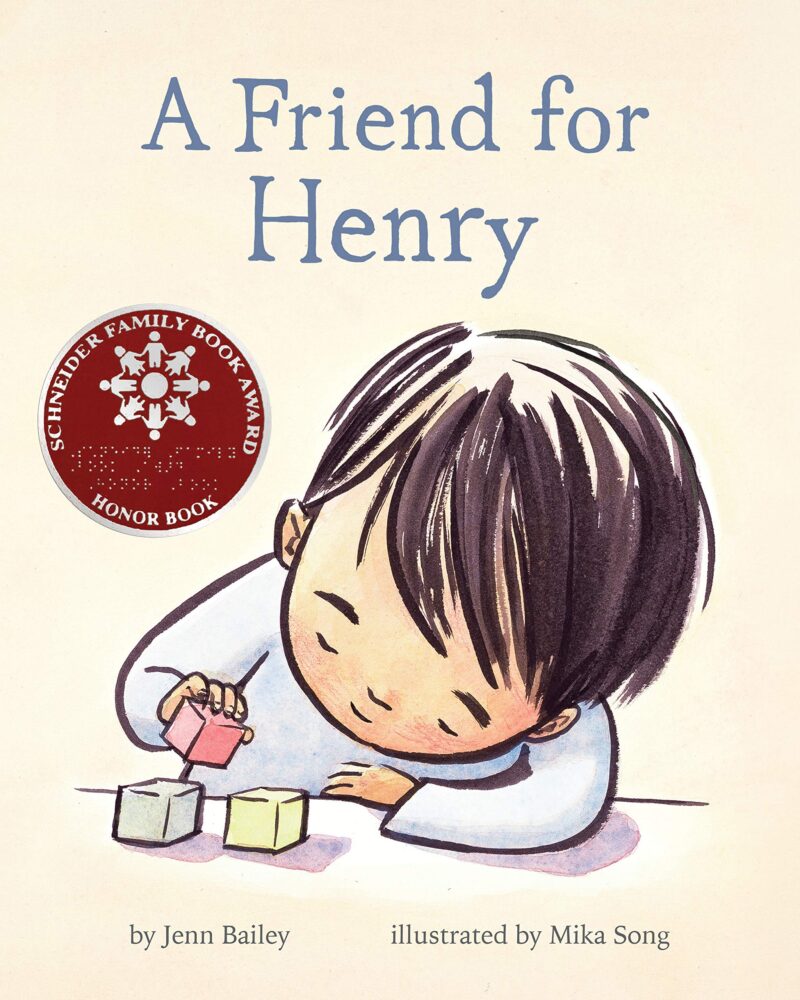
12. A Friend for Henry by Jenn Bailey
Henry, who has autism, eagerly wants a new friend. But many of his classmates aren’t quite the perfect fit he imagines. Then he builds blocks with Katie, and their tower is just right.
This book is about friendship and neurodiversity and can be used to help students empathize with others and learn friendship-building skills.
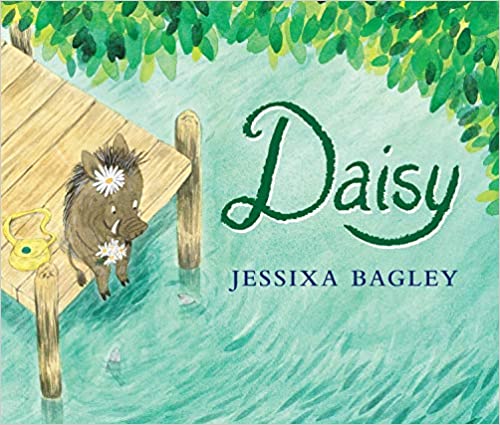
13. Daisy by Jessixa Bagley
Teasing makes Daisy feel terrible. She spends much of her time alone, collecting treasures—until she realizes someone else is adding to her treasure shelf.
Have students create their own treasure shelves after they read this story and think about what makes them special no matter what happens.
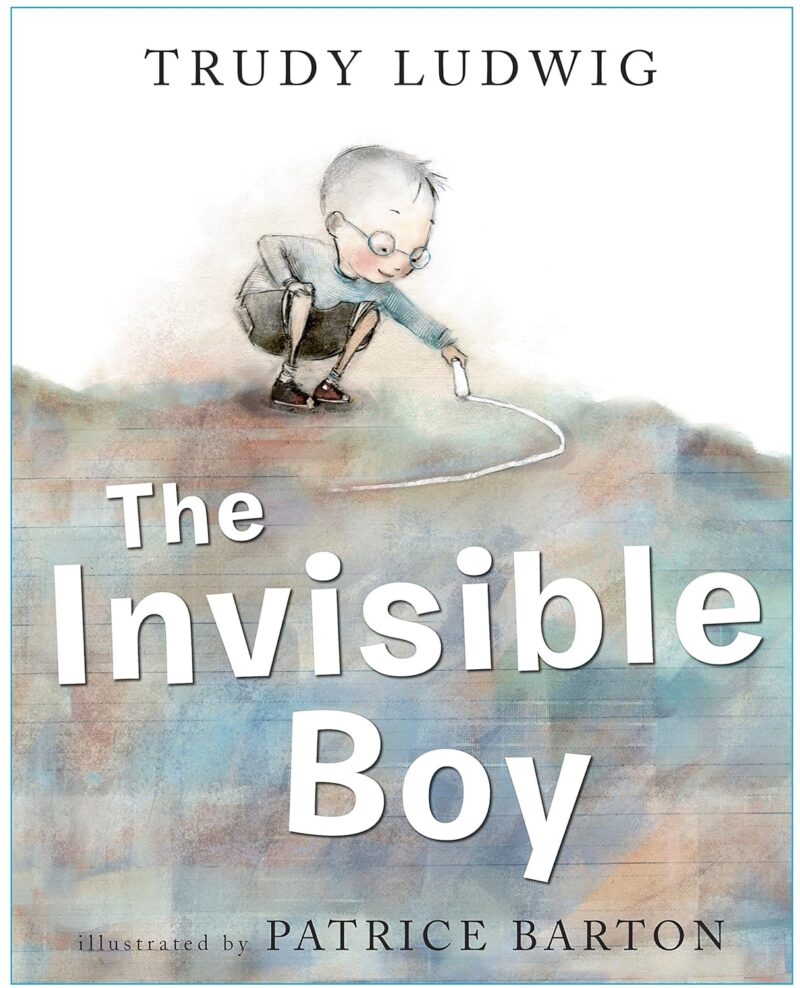
14. The Invisible Boy by Trudy Ludwig
Meet Brian, the invisible boy. Nobody ever seems to notice him or think to include him in their group, game, or birthday party … until a new kid comes to class.
Use this book to talk about how our actions make others feel and how small actions add up (notice how the illustrations change as Brian is more and more included).
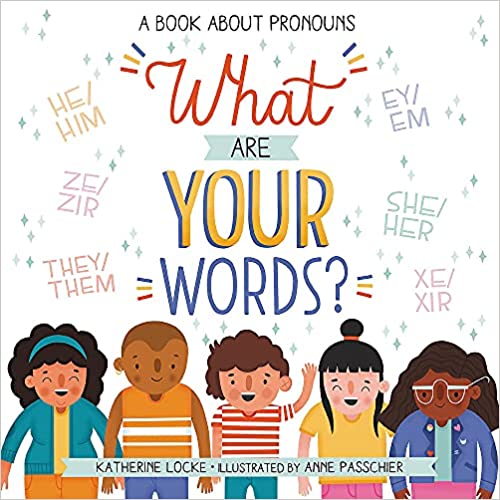
15. What Are Your Words? A Book About Pronouns by Katherine Locke
This is one of our favorite social skills books for kids for supporting developmentally appropriate conversations about pronoun choices. Let kids know they have options for the words that feel right—and that it’s important to respect others’ choices too.
Use this book to introduce the idea that words have power, or have it on hand if students are curious about pronouns.

16. Aaron Slater, Illustrator by Andrea Beaty
We love all the Questioneers books to use as engaging class read-alouds, but this one is especially awesome for talking about strengths, challenges, and finding your own way to shine. Aaron Slater has a tough time writing a story to share in class, until he lets his love of art lead the way.
Start a conversation about neurodiversity, create your own personal stories, or talk about things that are difficult for each of us and how we work through them.
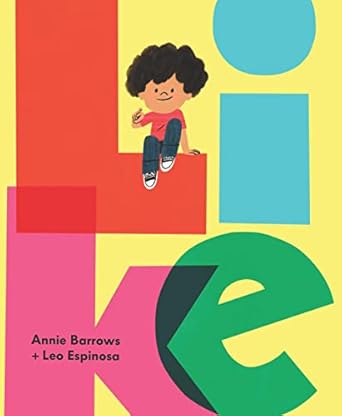
17. Like by Annie Barrows and Leo Espinosa
This quirky ode to human connection is a fun way to launch conversations about similarities and differences. How are humans like mushrooms, excavators, and hyenas?
Use this book to talk about how we’re similar. Or, with older kids, get creative thinking about other out-of-the-box ideas to add to this text. We love social skills books for kids that get classrooms talking and wondering together!
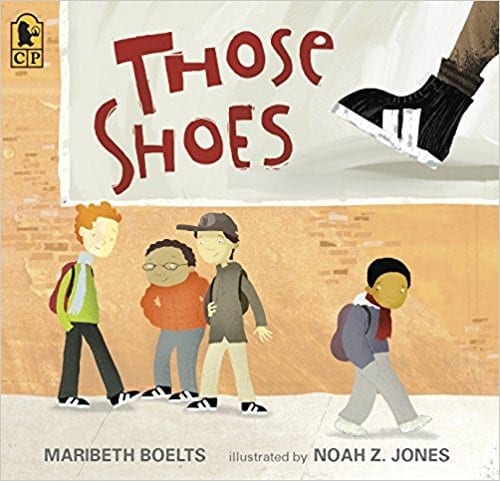
18. Those Shoes by Maribeth Boelts
All Jeremy wants is a pair of those shoes, the ones everyone at school seems to be wearing. Though Jeremy’s grandma says they don’t have room for “want,” just “need,” when his old shoes fall apart at school, he is more determined than ever to have those shoes, even a thrift-shop pair that is much too small.
This book is great for talking about wants and needs, or to discuss how we develop and act on empathy.
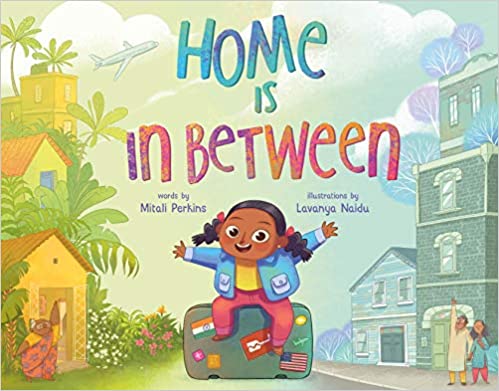
19. Home Is in Between by Mitali Perkins
If you’re looking for social skills books for kids related to code-switching—navigating multiple cultures—Shanti is a positive role model for students. When she and her family move to the United States from India, the worlds inside her home and in the larger community feel very different.
Start a discussion with students about how we act in different settings and you may be surprised with how reflective students can be.
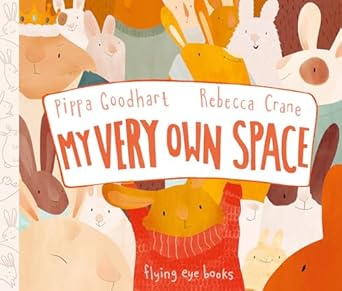
20. My Very Own Space by Pippa Goodhart and Rebecca Crane
A little rabbit is trying to read his book in peace, but there’s so much going on around him! Maybe he needs some space just for himself.
This is a great book to introduce the concept that we all need personal space and appropriate ways to ask for it.
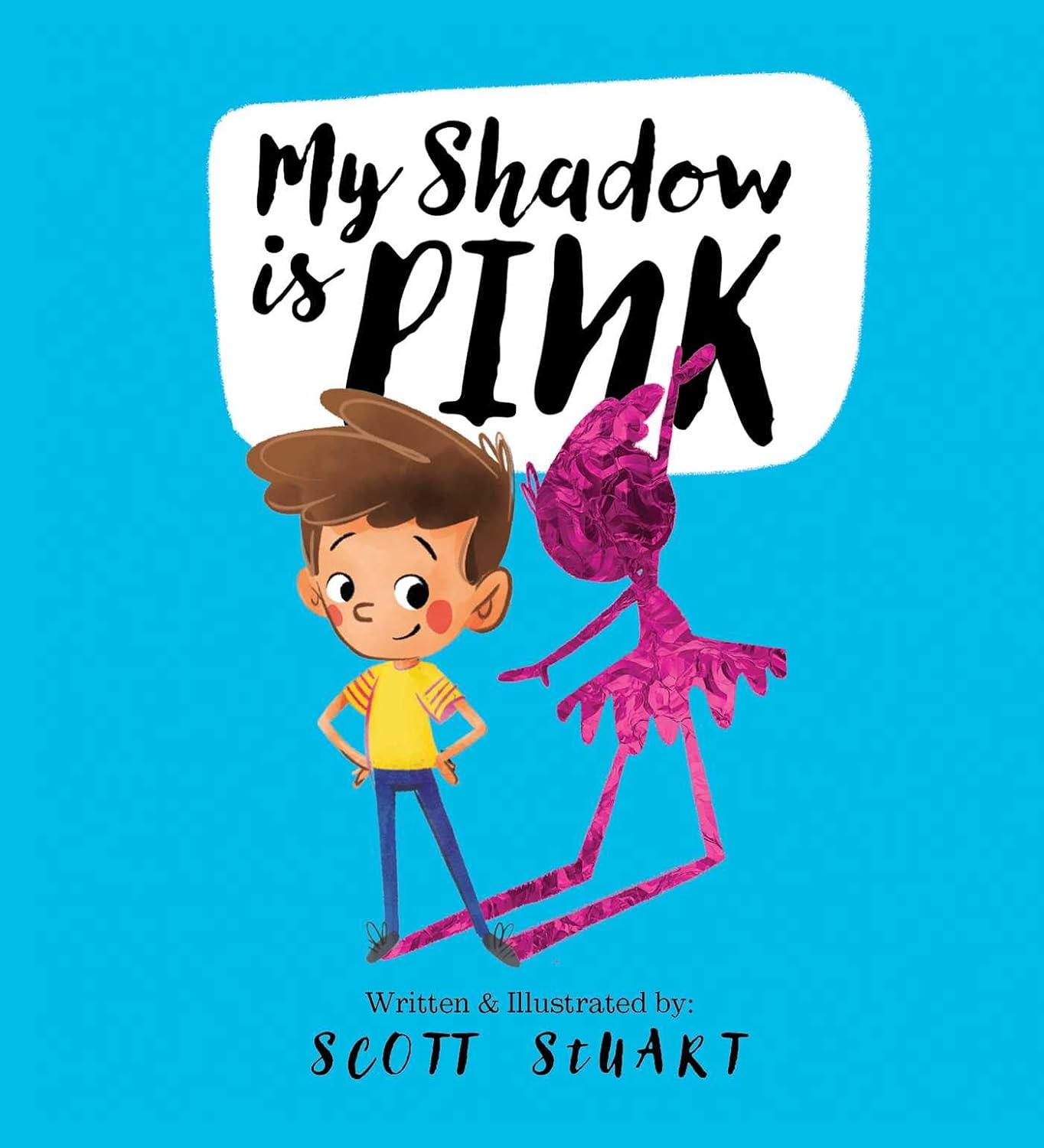
21. My Shadow Is Pink by Scott Stuart
This child’s family is sure his shadow is blue, but it’s not—it’s pink. And the shadow loves dresses and dancing, and it definitely wants to be seen as it really is.
Engage students in conversation about how others see them and how they want to be seen.
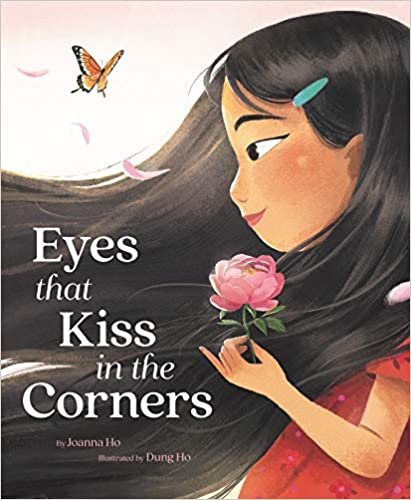
22. Eyes That Kiss in the Corners by Joanna Ho
This young girl is intensely proud of her “eyes that kiss in the corners and glow like warm tea.” She also loves that her sister, mother, and grandmother all share the same special feature.
Start a conversation about qualities that are unique about each student, and how they can embrace their uniqueness. With older students, talk about what they appreciate about their family culture.
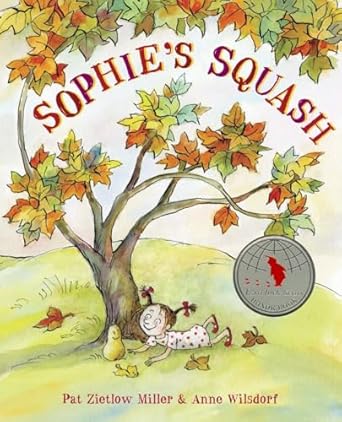
23. Sophie’s Squash by Pat Zietlow Miller and Anne Wilsdorf
When Sophie gets a squash that quickly becomes her best friend, she has to adapt when the squash starts to become, well, squishy. Use this fun story to talk about friendships and how life can change for the better when it’s time to move on.
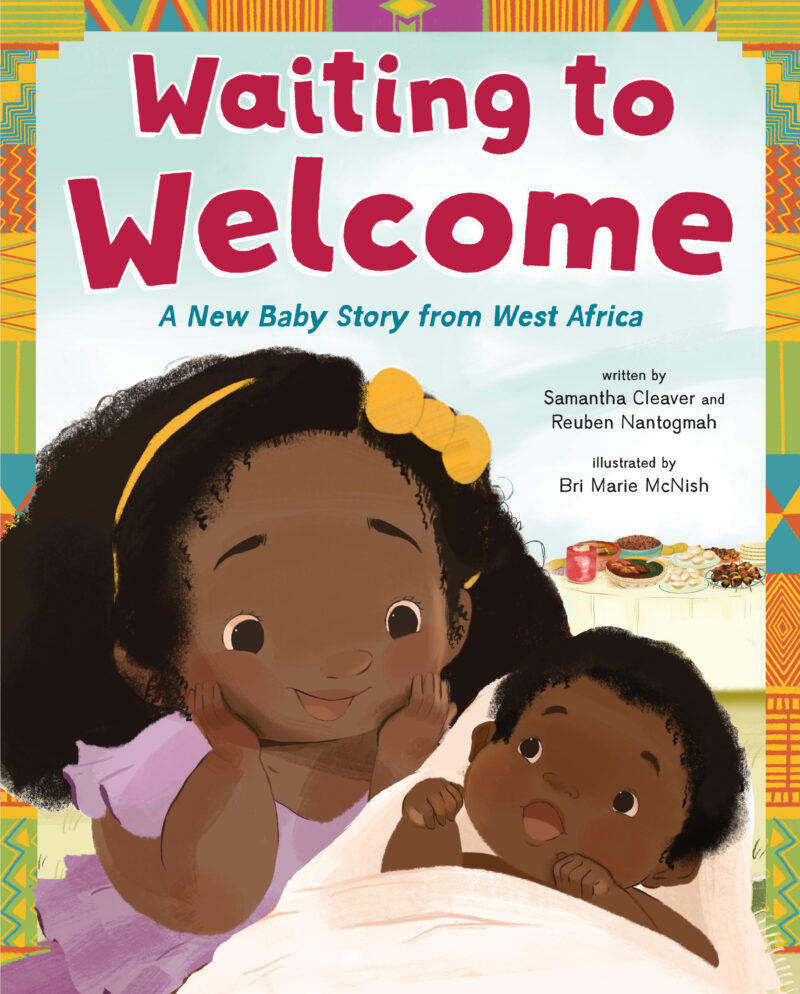
24. Waiting To Welcome by Reuben Nantogmah and Samantha Cleaver
In this West African story, Andani waits to welcome a new baby cousin. The story about waiting is helpful for students who need to learn how to wait, and it’s infused with West African culture and traditions.
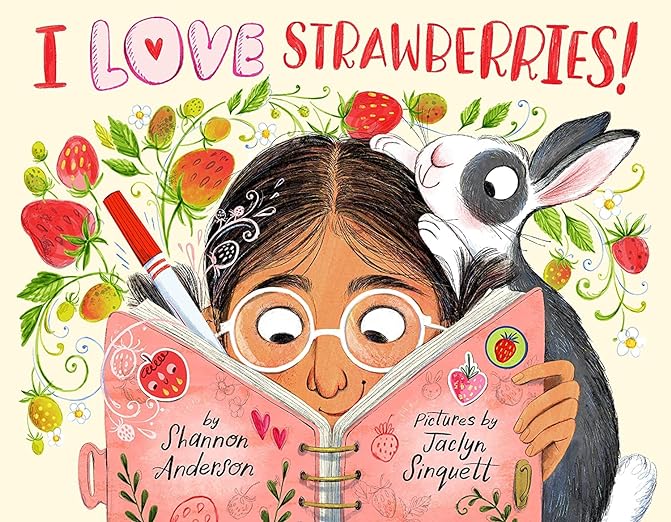
25. I Love Strawberries! by Shannon Anderson
Jolie desperately wants to grow strawberry plants in the family garden, but her parents aren’t on board. She takes on the challenges of convincing them she’s responsible enough, earning money to buy plants, and caring for the plants once she plants them. This is a good one for talking about how achieving a goal can include lots of different challenges along the way.
This book is the perfect companion to a unit on gardening, with themes of responsibility and ownership.
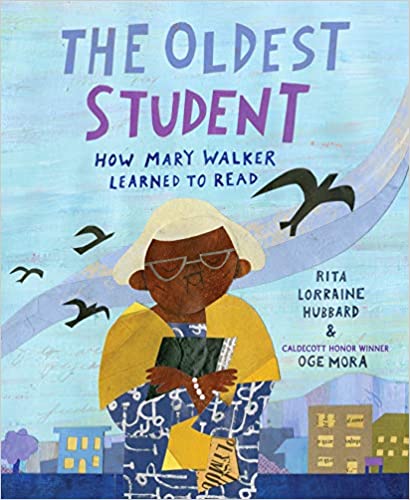
26. The Oldest Student: How Mary Walker Learned To Read by Rita Lorraine Hubbard
Mary Walker was born a slave and persevered through challenges her entire life. At age 114, she finally fulfilled her lifelong dream of learning to read. She’s an inspiration, and her story is a wonderful one to inspire students to try something new and to talk about how we are never too old to learn something new.
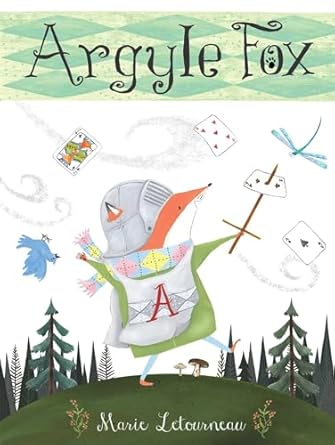
27. Argyle Fox by Marie Letourneau
Argyle Fox, with his signature style, wants to play outside on a springtime day, but the wind is wreaking havoc with his fun and games. As soon as he builds a card tower, climbs into a giant spiderweb, or takes up his pirate sword, here comes the wind, woosh!
This story is perfect for talking about being flexible when plans change and overcoming challenges.
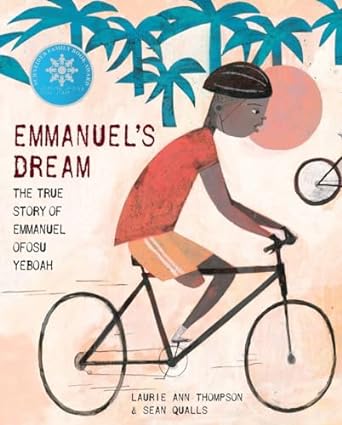
28. Emmanuel’s Dream: The True Story of Emmanuel Ofosu Yeboah by Laurie Ann Thompson
Emmanuel Ofosu Yeboah’s inspiring true story is nothing short of remarkable. Born in Ghana, West Africa, with one deformed leg, he was dismissed by most people—but not by his mother, who taught him to reach for his dreams.
A story of persistence, you can also map Emmanuel’s route, write about advocating for people with physical disabilities, and talk about how motivation impacts our success.
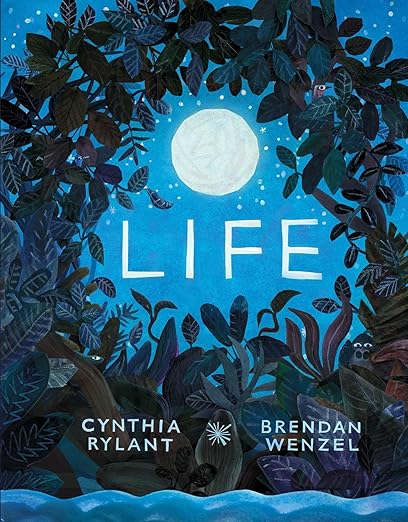
29. Life by Cynthia Rylant
There are so many wonderful things about life, both in good times and in times of struggle. This text is a great starting point to talk about optimism and hope.
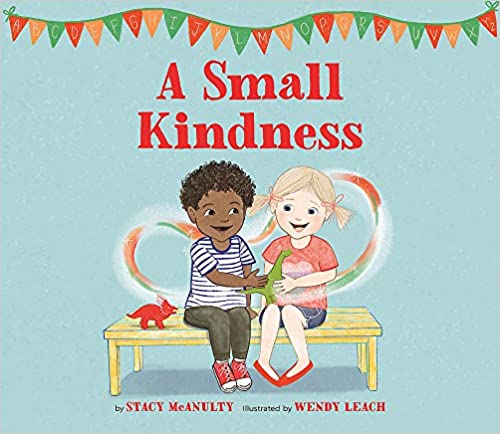
30. A Small Kindness by Stacy McAnulty
Add this to your social skills books for kids to encourage kindness in the classroom. Simple text and sweet illustrations show a diverse class spreading kindness from one person to another in lots of doable ways.
After you read the story, record the ways that kids can be kind to one another and around your school.
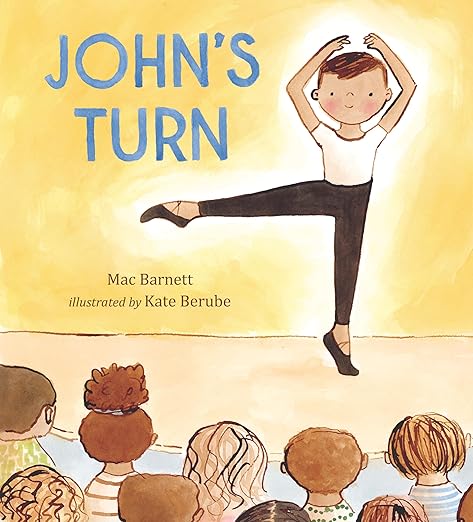
31. John’s Turn by Mac Barnett
When it’s John’s turn to perform at the school assembly, he’s nervous, but his love for dancing gives him confidence. His classmates cheer him on. This is one of our new favorite social skills books for kids to talk about encouraging others and giving each person their turn to shine.
Use this story to start a conversation about your students’ unique gifts, how you feel when you are presenting something new, and how to approach it when someone has a very specific interest.
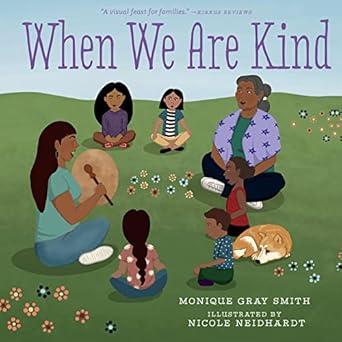
32. When We Are Kind / Nihá’ádaahwiinít’íigo by Monique Gray Smith
This bilingual English and Diné book uses art inspired by Navaho culture to show how simple kindnesses have a lasting impact. It would be lovely inspiration for a kindness-themed class book or bulletin board.
We love the simple yet powerful story and how it’s infused with Navaho culture.
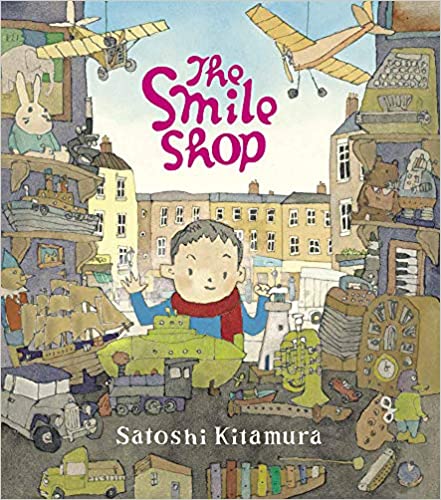
33. The Smile Shop by Satoshi Kitamura
Disappointment washes over a small boy when he drops the money he’s saved down the drain. A stranger in a photography studio chooses to make an unexpectedly kind gesture.
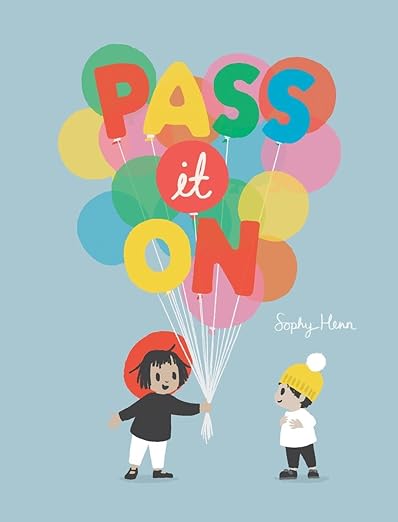
34. Pass It On by Sophy Henn
When you see something terrific, smile a smile and pass it on! If you chance upon a chuckle, hee-hee-hee and pass it on. Should you spot a thing of wonder, jump for joy and pass it on!
After you read this book, start a chain of balloons showing what your students passed on—smiles, laughter, knowledge, and on and on.
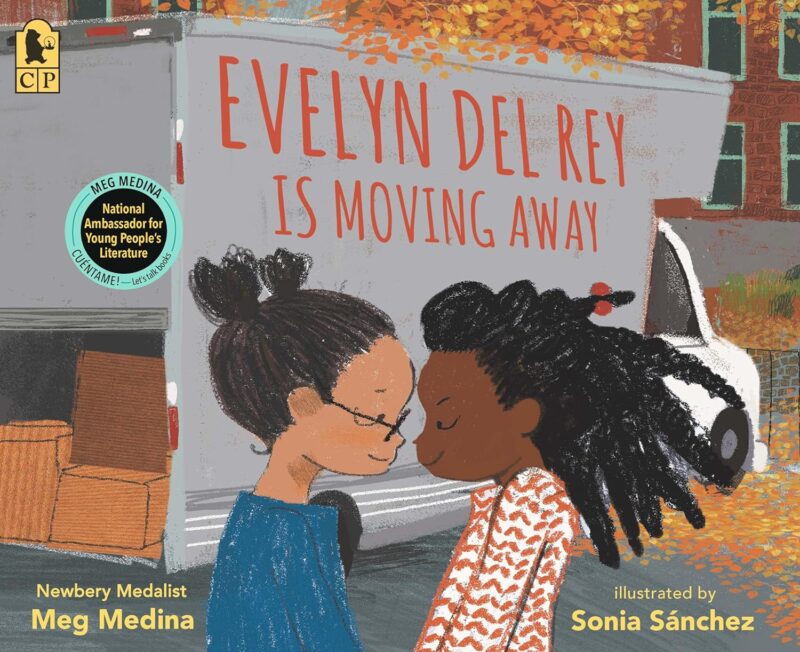
35. Evelyn Del Rey Is Moving Away by Meg Medina
Equal parts affirming and hopeful, if you need social skills books for kids to help cope with a friend moving, this is the one. Daniela can’t believe Evelyn won’t live across the street anymore. But focusing on cherished memories and keeping in touch helps her manage.
We love how honest and true this story is. It can be incorporated into a discussion about moving on, or if a student moves away mid-year.
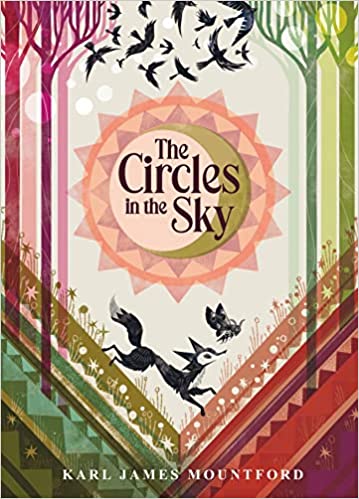
36. The Circles in the Sky by Karl James Mountford
This folktale stars Fox, who wonders about a dead bird in the forest. The book gives classrooms an inclusive and gentle way to talk about death.
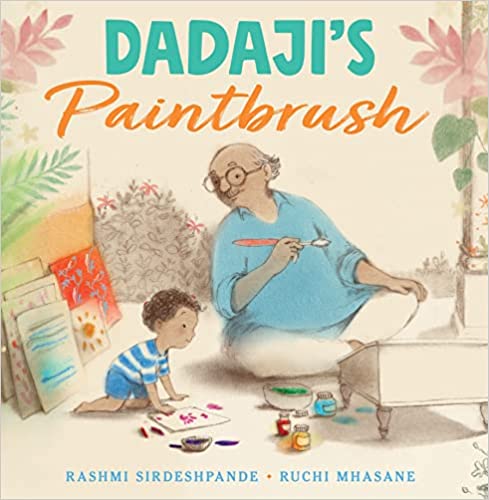
37. Dadaji’s Paintbrush by Rashmi Sirdeshpande
A boy and his grandfather connect through painting. When the grandfather dies, the boy can’t face his art for a long time. Finally, painting again helps him heal.
This is a wonderful story to read with a student who is going through grief.
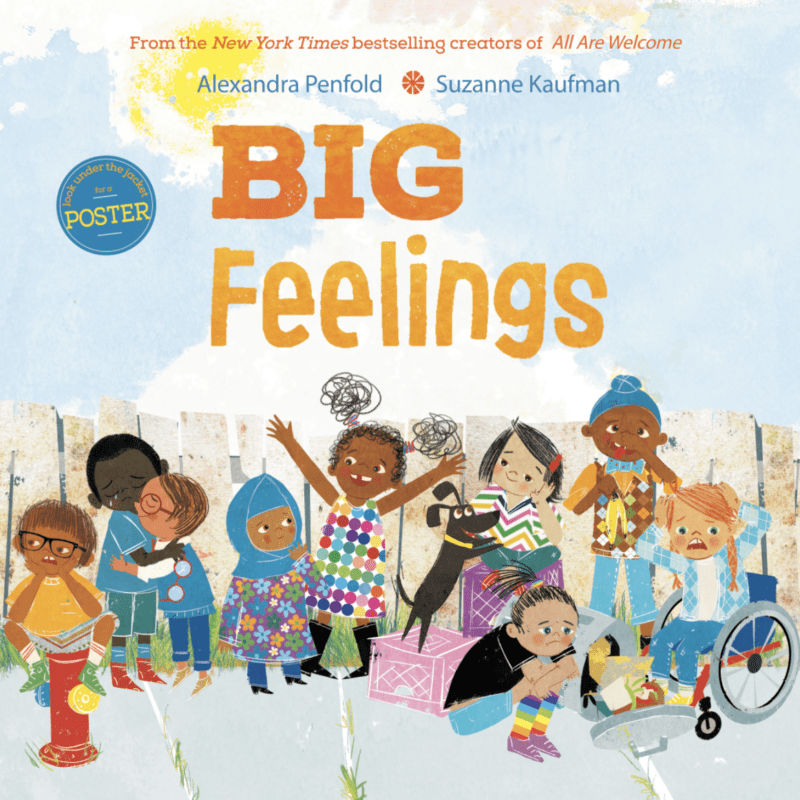
38. Big Feelings by Alexandra Penfold
An energetic group of young friends has big plans for the day—until big, hard feelings get in the way. It’ll take talking about it and being flexible to get the day back on track.
Use this text to talk about the big feelings students experience and how to handle them.
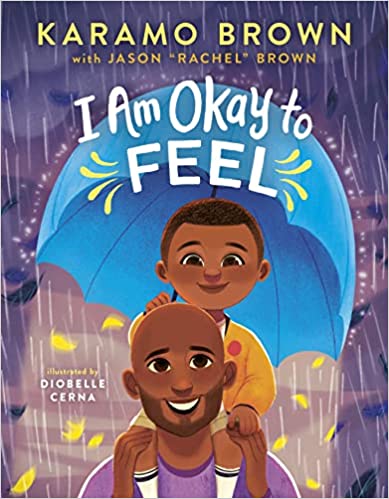
39. I Am Okay To Feel by Karamo Brown
A boy and his dad walk and talk about their feelings. We love how positive and relatable this book is for kids. Well-researched back matter gives adults lots of tools for talking with children about emotions too.
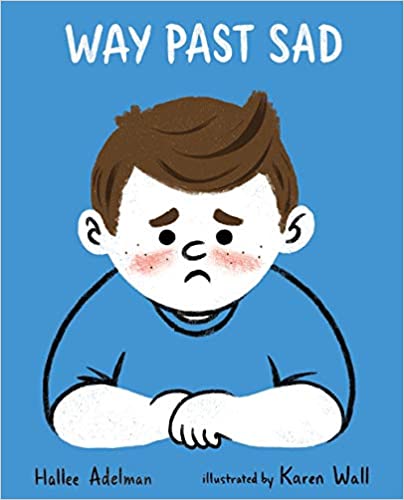
40. Great Big Feelings series by Hallee Adelman
These are invaluable social skills books that normalize big emotions for kids. Each book shares a relatable experience from a kid’s perspective and ends with a positive coping strategy. These are also great examples of personal narrative writing (with details about feelings!).
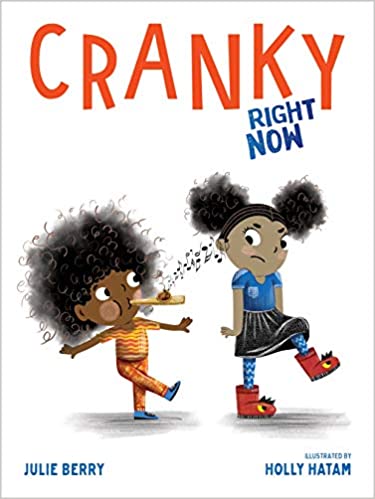
41. Cranky Right Now by Julie Berry
“I’m cranky right now and I have my reasons,” says this main character. Bad moods happen to all of us. Get kids talking about how to sit with grouchy feelings and let them pass.
Read this before students have a cranky day so you can refer back to it and discuss how they can be cranky right now.
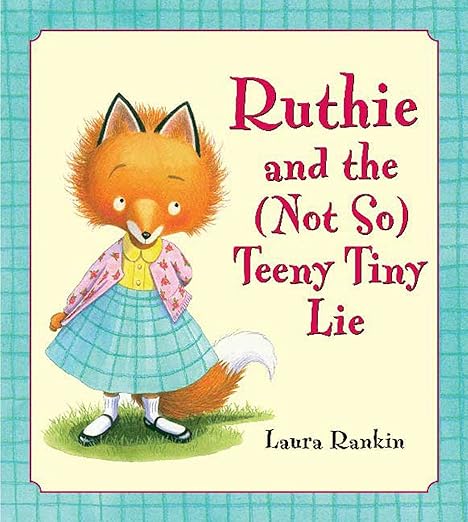
42. Ruthie and the (Not So) Teeny Tiny Lie by Laura Rankin
Ruthie loves little things—the smaller, the better. So when she finds a teeny tiny camera on the school playground one afternoon, she can hardly believe her luck. She wants to keep the camera in the worst way, but there’s one little problem: It isn’t hers.
This is a great book to talk about how to handle honesty that gives students a way to think about being honest even when it’s hard.
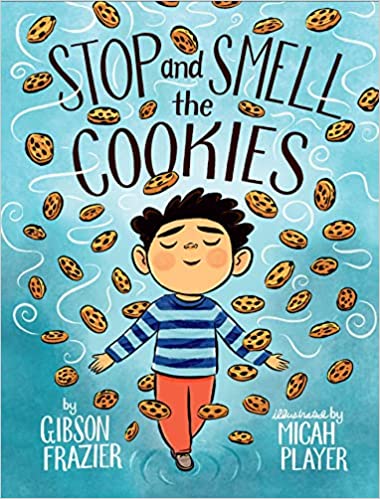
43. Stop and Smell the Cookies by Gibson Frazier
If you’re looking for a new social skills book for kids that tackles managing impulsivity in a positive and empathetic way, you need this one! Dash Gordon has big ideas, good intentions … and a hard time reining himself in. When he’s feeling down about having a tough day, his mom helps him learn a mindful breathing routine that really helps.
Introduce mindfulness, breathing, and being present with this story. Then, have students decorate cookie cut-outs with things that they like to stop and savor.
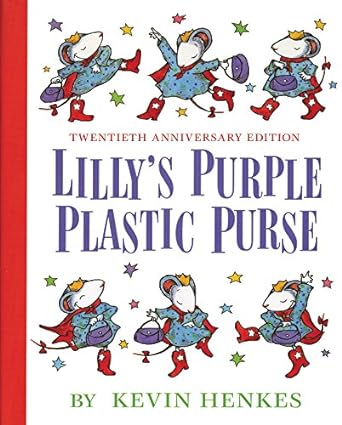
44. Lilly’s Purple Plastic Purse by Kevin Henkes
Lilly loves everything about school, especially her cool teacher, Mr. Slinger. But when Lilly brings her purple plastic purse and its treasures to school and can’t wait until sharing time, Mr. Slinger confiscates her prized possessions. Use this story to explain boundaries and school rules.
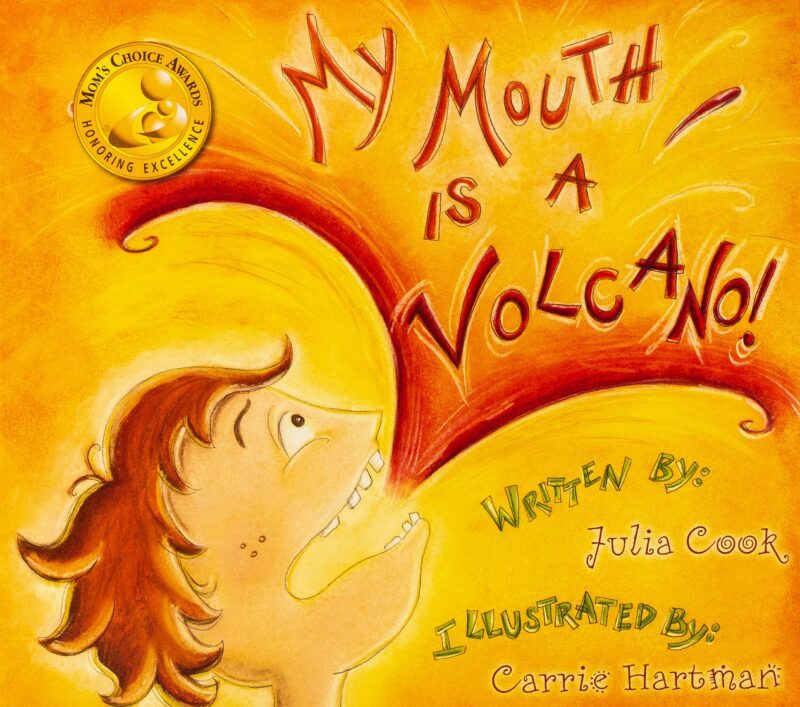
45. My Mouth Is a Volcano! by Julia Cook
All of Louis’ thoughts are very important to him. In fact, his thoughts are so important to him that when he has something to say, his words begin to wiggle, and then they do the jiggle, then his tongue pushes all of his important words up against his teeth, and he erupts, or interrupts others.
Read this story as part of a morning meeting, and then you can refer to it when students are impulsive.
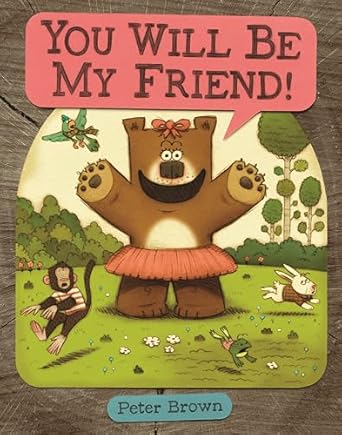
46. You Will Be My Friend! by Peter Brown
Today is the day exuberant Lucy is going to make a new friend! But she finds it’s harder than she thought—she accidentally ruins the giraffe’s breakfast and is much too big for the frogs’ pond. This is a great book to talk about how to make new friends.
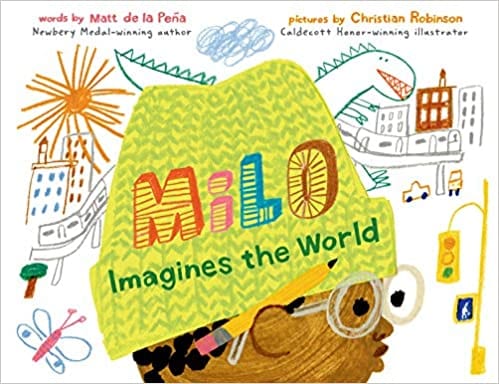
47. Milo Imagines the World by Matt de la Peña
Milo feels like a “shook-up soda” as he takes the subway to visit his mom, who is incarcerated. He copes with his feelings by imagining the lives of his fellow passengers—and imagines the time when his family will be together again.
This is a great book to talk about how what we imagine might not match up with reality, as well as building empathy.
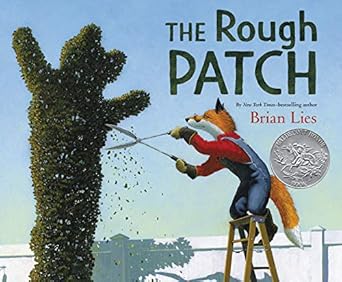
48. The Rough Patch by Brian Lies
When the main character’s pet dog dies, he can’t stand to have anything pretty around him. His garden becomes overgrown and ugly, reflecting his anger. But after a pumpkin persists and he takes it to the county fair, will he have a change of heart when he has the option to choose a new puppy?
This story and the powerful illustrations are a great discussion starter for how we feel after we lose someone, and how we can start feeling hopeful again.
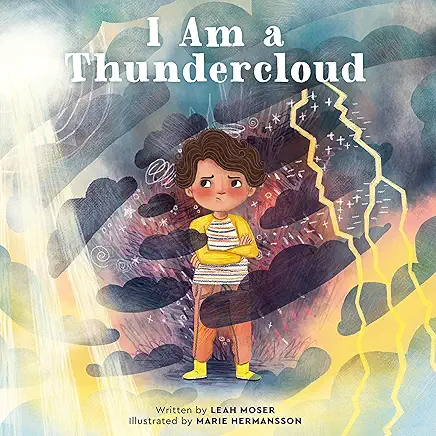
49. I Am a Thundercloud by Leah Moser
In this first-person story, a girl experiences a bad day and the big feelings that come with it as a thunderstorm. Use this book to start exploring and describing how we experience big feelings, especially negative feelings that can overwhelm young kids.
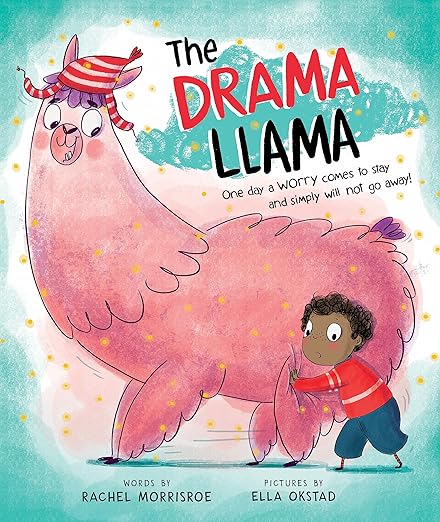
50. The Drama Llama by Rachel Morrisroe
A boy’s anxiety shows up as a llama, and after some comedic endeavors, the boy talks to an adult to share his worries and fears. This is a fun way to discuss anxiety with students and encourage them to seek help when their feelings feel, well, like too much drama.
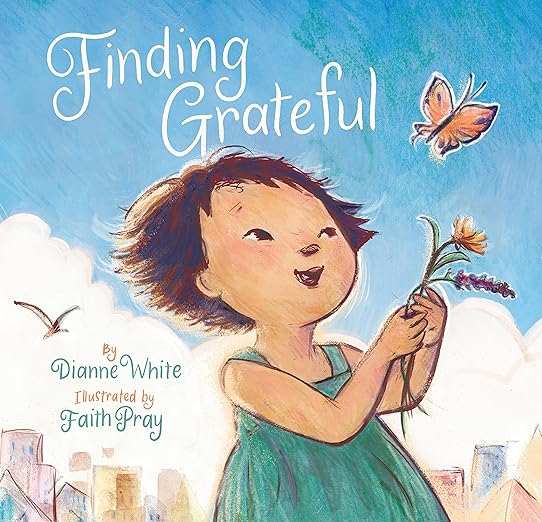
51. Finding Grateful by Dianne White
This lyrical text explores gratitude and encourages students (and adults) to take time to pause, reflect, and find positivity and gratitude in the little moments. Use this book to increase mindfulness during morning meeting or brain breaks.
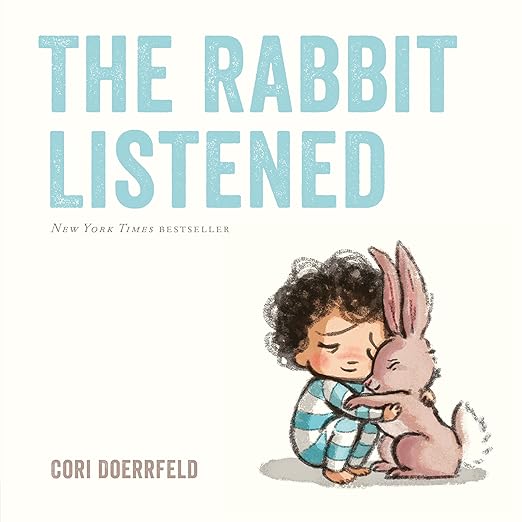
52. The Rabbit Listened by Cori Doerrfeld
When Taylor’s tower comes crashing down, all the animals come to help. They each have their own idea, but all Taylor needs is someone to listen. This story is brilliant in its simplicity, teaching us that sometimes a listening ear is the best way we can help.
Use this book before things come crashing down in your classroom to help students understand ways to help a friend who is frustrated.
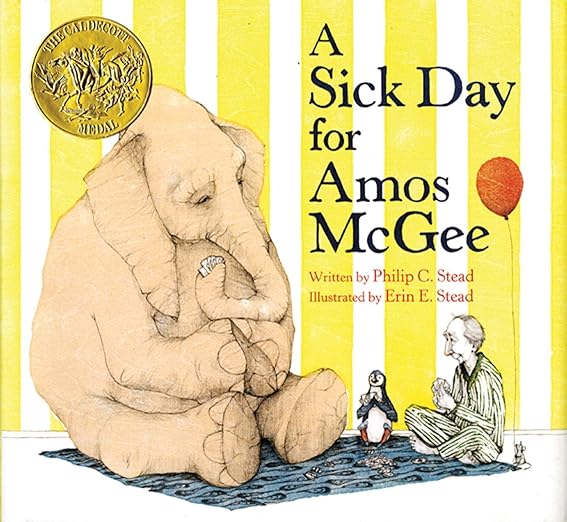
53. A Sick Day for Amos McGee by Philip C. Stead
This story, about how zookeeper Amos McGee’s friends support him when he’s sick, is endearing and warm. It’s about how when we give, we get more in return.
Read this book and talk about what friendship mean to each character. Then, retell the story using puppets.
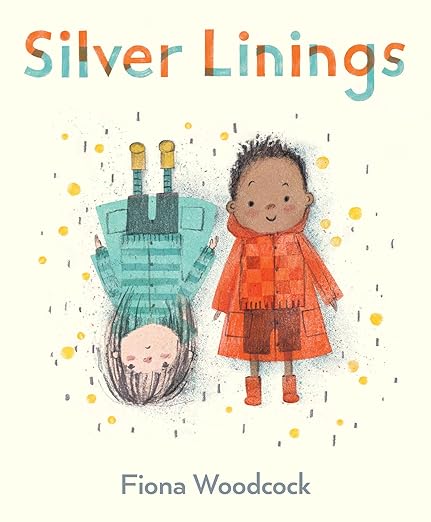
54. Silver Linings by Fiona Woodcock
If you have a student who needs to build resilience and empathy, this book is for you. Pip gets disappointed when things don’t go as planned, and Parker is there to help lift her spirits and help her see things from another perspective. But when Parker has a problem, will Pip help him out? Use this friendship book to teach empathy and resilience.
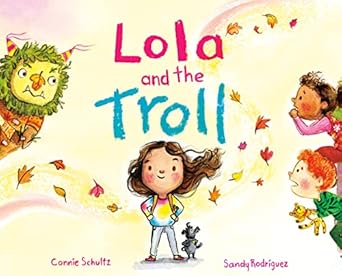
55. Lola and the Troll by Connie Schultz
When a troll-like figure teases Lola, she tries to change to avoid the attention. Unfortunately, the loses herself in the process. Lola stands up to the troll and finds that it’s a boy who’s looking for attention. Lola forgives the boy, who apologizes, and they start a friendship.
Use this book to discuss how to respond to unwanted attention, and to build empathy and stay true to yourself.
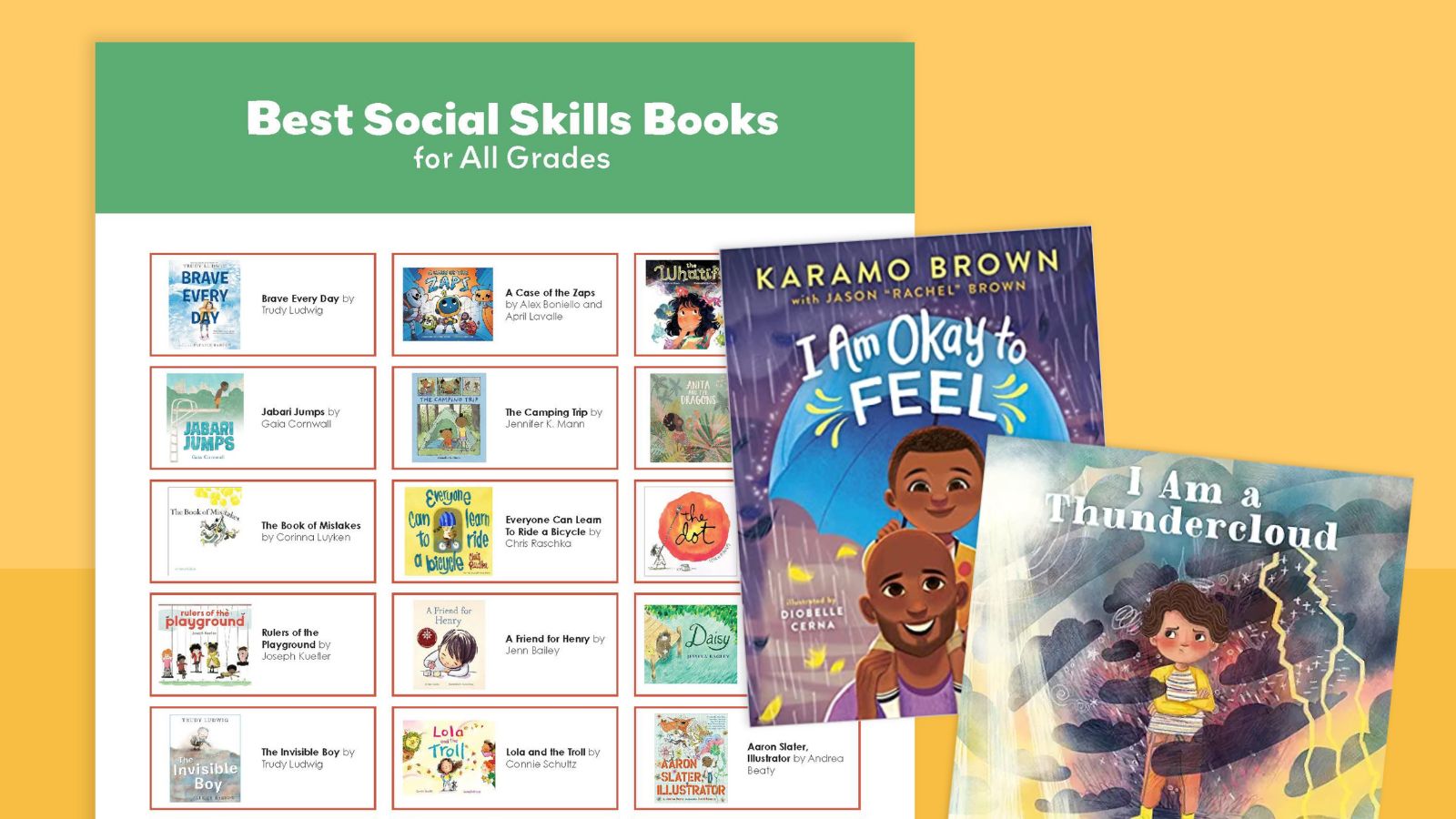
Grab your printable list of best social skills books for all grades!
Click the button below to share your email address and get instant access to the list!