
Music has so many benefits, like improving mood, assisting in cognitive development, and enhancing creativity. Playing some relaxing music in the classroom during learning breaks can help settle everyone’s minds and refuel our reserves so we can tackle the rest of the day.
Check out these relaxing music videos for the classroom to add to your playlist.
Jump to:
- Importance of Music in the Classroom
- Tips for Using Music in the Classroom
- Nature Sounds
- Guitar Music
- Piano Music
- Ocean-Themed Music Videos
- Classical Music
- Music Videos Featuring Animals
- Pop Culture-Referenced Music Videos
- Other Relaxing Classroom Music
Why is music important in the classroom?
Music in the classroom supports a whole-child approach.
According to K–8 music educator and accredited music therapist Alessandra Pita, music used as a tool in the classroom provides a broad spectrum of learning benefits. “Music engages the brain, body, and emotions at the same time,” she says. “It can help students remember information, regulate their energy, connect with others, and feel more ready to learn.” Furthermore, she points out the academic benefits: “Music naturally supports patterning, rhythm, listening, language, memory, and movement, which are all important parts of learning across the curriculum.”
“Ultimately, music reminds us that learning is not only cognitive,” Alessandra concludes. “Students learn best when they feel regulated, connected, engaged, and safe, and music can help create those conditions in a very meaningful way.”
Music can have a physiological impact.
When students are exposed to calming music in the classroom, powerful things happen in their bodies. Alessandra explains: “Music increases dopamine (the “happy hormone,” which influences mood, focus, concentration, memory, and motivation), serotonin (the “social hormone,” which influences feeling good about yourself, confidence, and self-esteem), and oxytocin (the “love hormone,” which influences feelings of intimacy, belonging, trust, empathy, and emotional connection), and lowers cortisol (the “stress” hormone). This is particularly true if the listener perceives the music as enjoyable.”
Music can have social-emotional benefits as well.
Music gives students a safe way to explore and express emotions. “Relaxing music can help students calm their bodies,” shares Alessandra. “In addition, it allows them to name feelings, connect with others, and build empathy.” Music also supports an inclusive environment. “Singing together, moving together, listening together, and responding to music as a group can create shared experiences that strengthen classroom community,” she explains. “For students who may struggle with language, attention, self-regulation, or confidence, music can provide another way to participate and feel successful.”
Tips for Making Music Work in the Classroom
While music in the classroom in not a new concept, there are a few tricks to using it effectively. Below are a few tips from Alessandra to keep in mind. For more tips and ideas, follow her at @teachfromthestage.
1. Stick to instrumentals.
“For calming classroom music videos, I tend to recommend instrumental options that are predictable, gentle, and not overly stimulating. I like using music that creates a calm atmosphere without pulling too much attention away from the task at hand. I always encourage teachers to preview videos first, especially when using YouTube, to make sure the music, visuals, ads, and suggested content are appropriate for their students and school setting.”
2. Choose different music for different purposes.
“For instance, a quiet instrumental track during writing can help students settle into the task. A transition song can help students know what to do next. A short movement song can give students a healthy way to release energy before returning to learning. Music gives students structure, but it also brings joy, which is so important in the classroom.”
3. Use music for classroom management.
“Music captures students’ attention because it gives them an immediate auditory cue that something is happening. Calming music signals that it is quiet work time. A change in music can signal that it is time to listen, clean up, transition, calm down, or begin a new activity. Students often respond to musical cues more quickly than repeated verbal reminders because music feels engaging rather than corrective.”
Relaxing Music With Nature Sounds
Guitar Music
Piano Music
Ocean-Themed Music Videos
Classical Music
Animals Music Videos
Pop Culture–Themed Music
Other Relaxing Music Videos for the Classroom
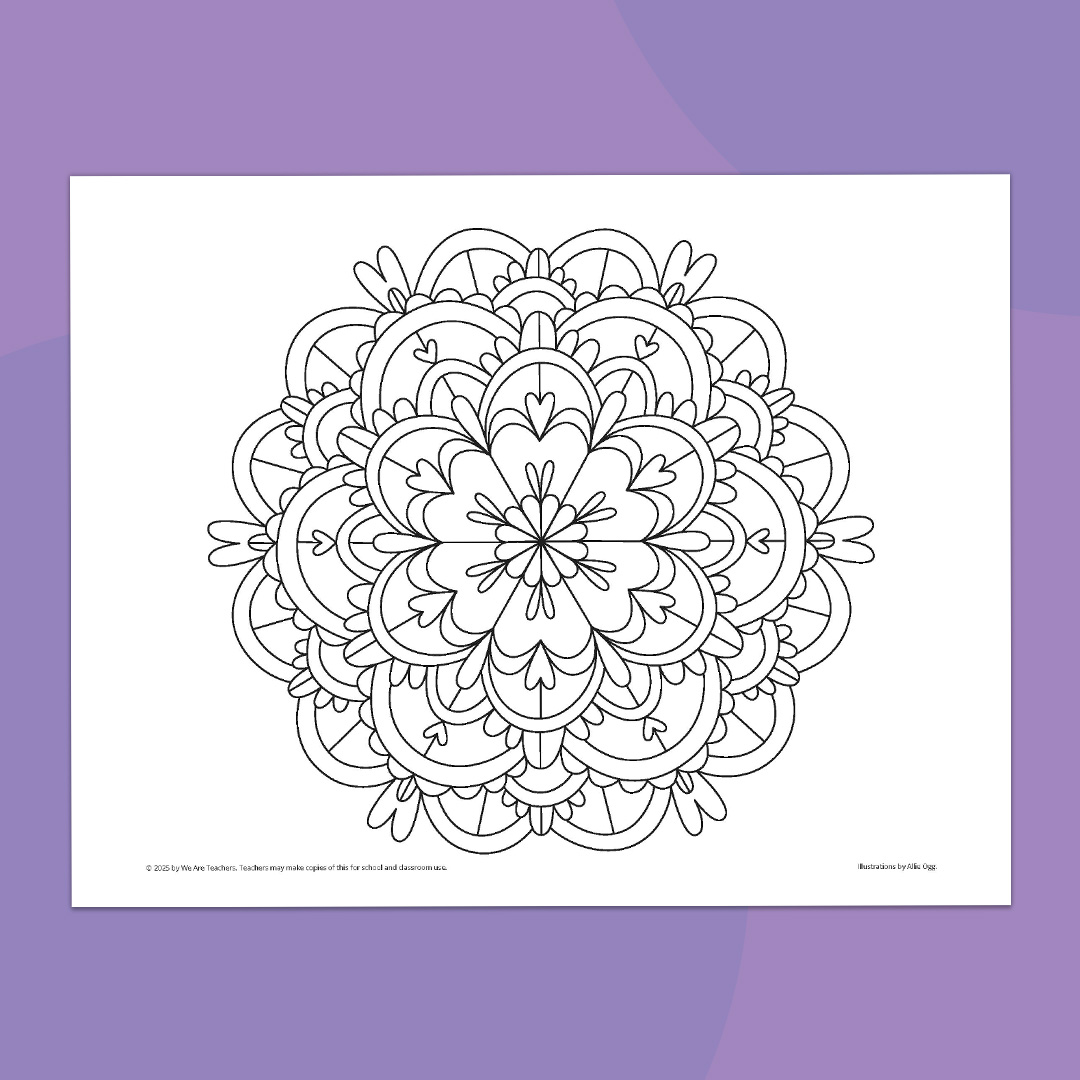
Get your free printable mandala coloring pages!

Ready to calm your classroom? Our mandala coloring pages include three calming designs for students to color again and again. Just click the button below and fill out the form to get them.