
Ask kids to name famous inventors, and you might get Thomas Edison or Henry Ford as a response. And while they definitely belong on this list, they’re just the start of the innovators and inventors that kids ought to know. Some of these are household names, while others deserve more recognition for inventions that have become essential to daily life.
For each one, you’ll find resources for more information and hands-on activities to help kids learn more about their achievements. Perhaps they’ll be inspired to become famous inventors themselves!
Famous Black Inventors
Throughout much of history, people of color often weren’t recognized for their contributions in any field, including innovation. Rectify that by sharing these famous Black inventors with your students, showing them that ingenuity includes plenty of diversity.
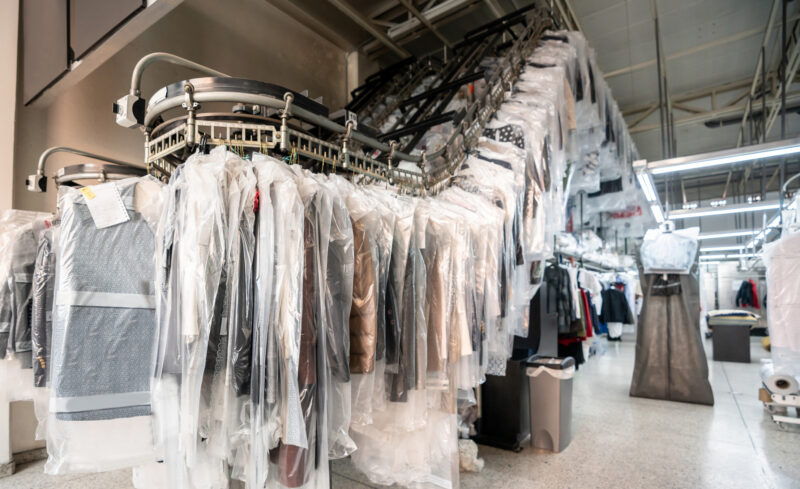
Thomas Jennings: Dry Cleaning
Known for: At a time when most Black men in the United States were slaves, Jennings was born free in New York City. He was the first African American to hold a patent for a process known as “dry scouring.” Today we call it dry cleaning. (1791–1856)
Learn more: Thomas Jennings at Smithsonian Magazine
Try this: With a few basic supplies, you can experiment with dry cleaning at home.
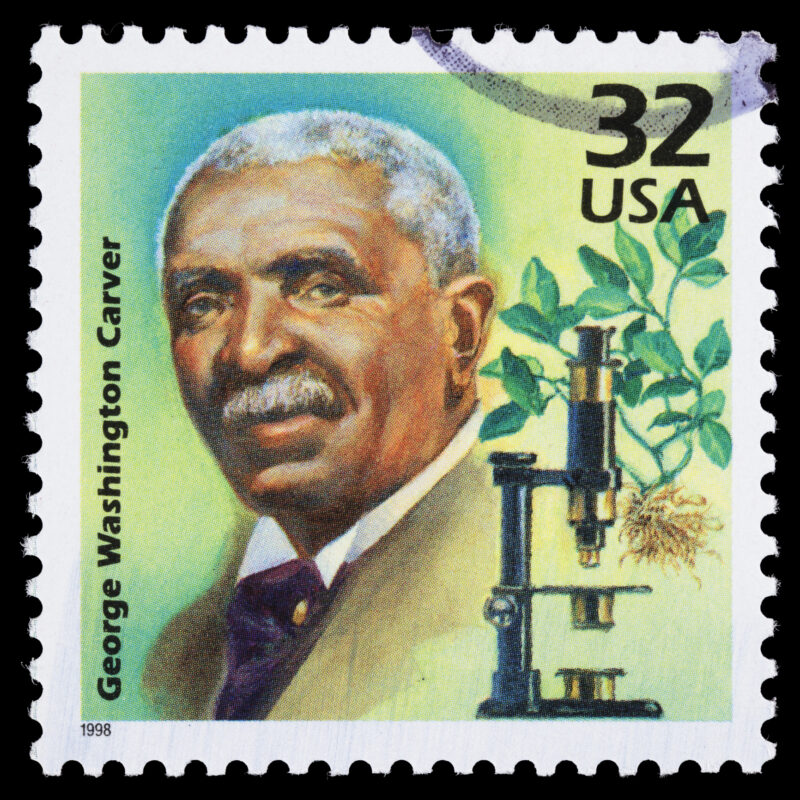
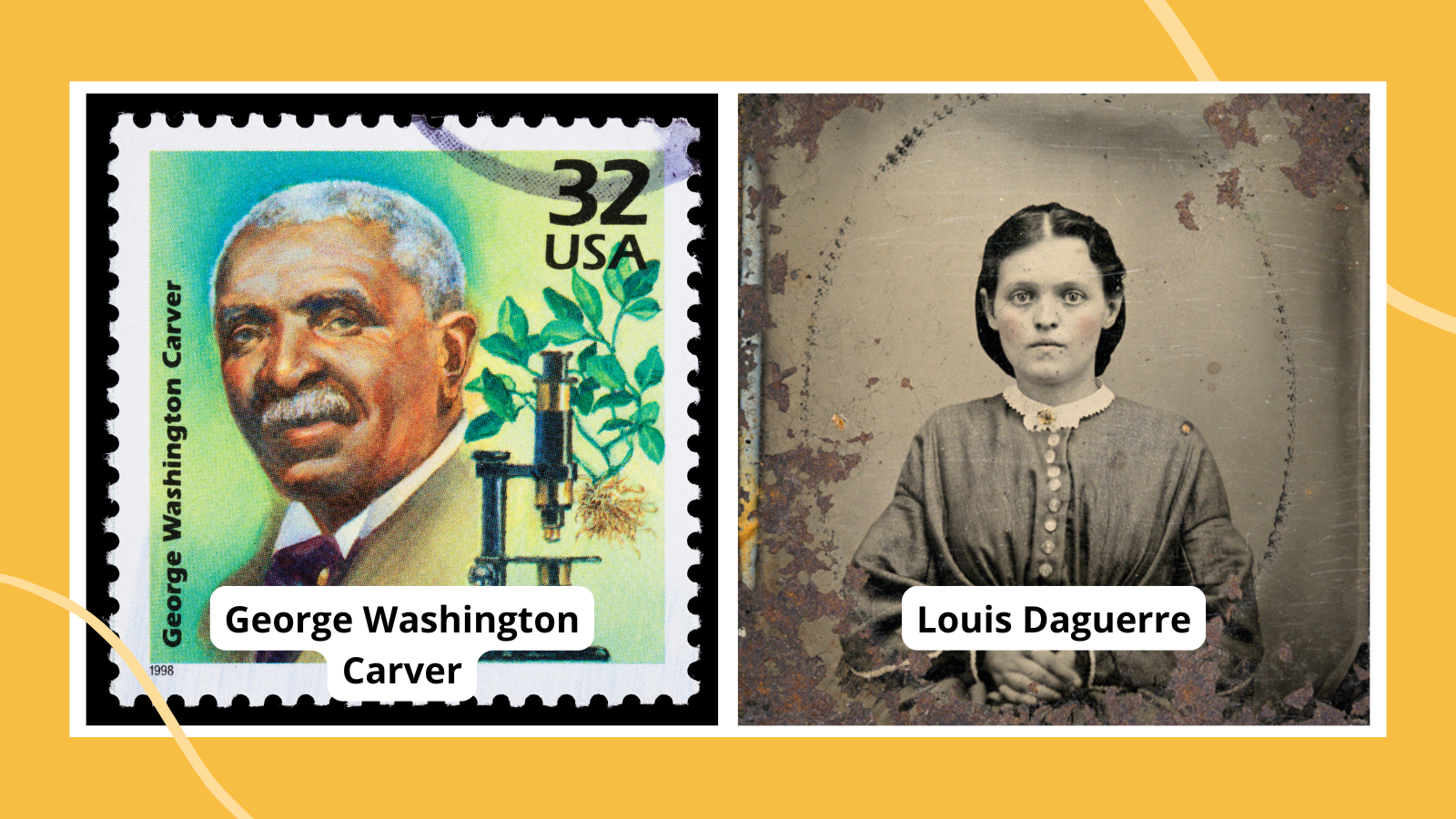
George Washington Carver: Crop Rotation
Known for: Though he’s often said to have invented peanut butter, Carver’s many achievements didn’t actually include that popular product. Instead, he gave the world the concept of crop rotation. His methods were so successful they led to an abundance of peanuts, soybeans, and sweet potatoes, and he spent much of his life coming up with new uses for them. (1864–1943)
Learn more: The Legacy of Dr. George Washington Carver
Try this: Sprout sweet potatoes in water to learn how plants grow.

Garrett Morgan: Traffic Signal
Known for: Morgan started his career working with sewing machines, repairing and patenting improvements. Later, he invented a “safety hood” that became the precursor to World War I gas masks. But ultimately, his biggest achievement was the three-way traffic light, which was the first to include a warning light—today’s “yellow light.” (1877–1963)
Learn More: Garrett Morgan at Biography
Try this: Build your own traffic light using Arduino electronics.
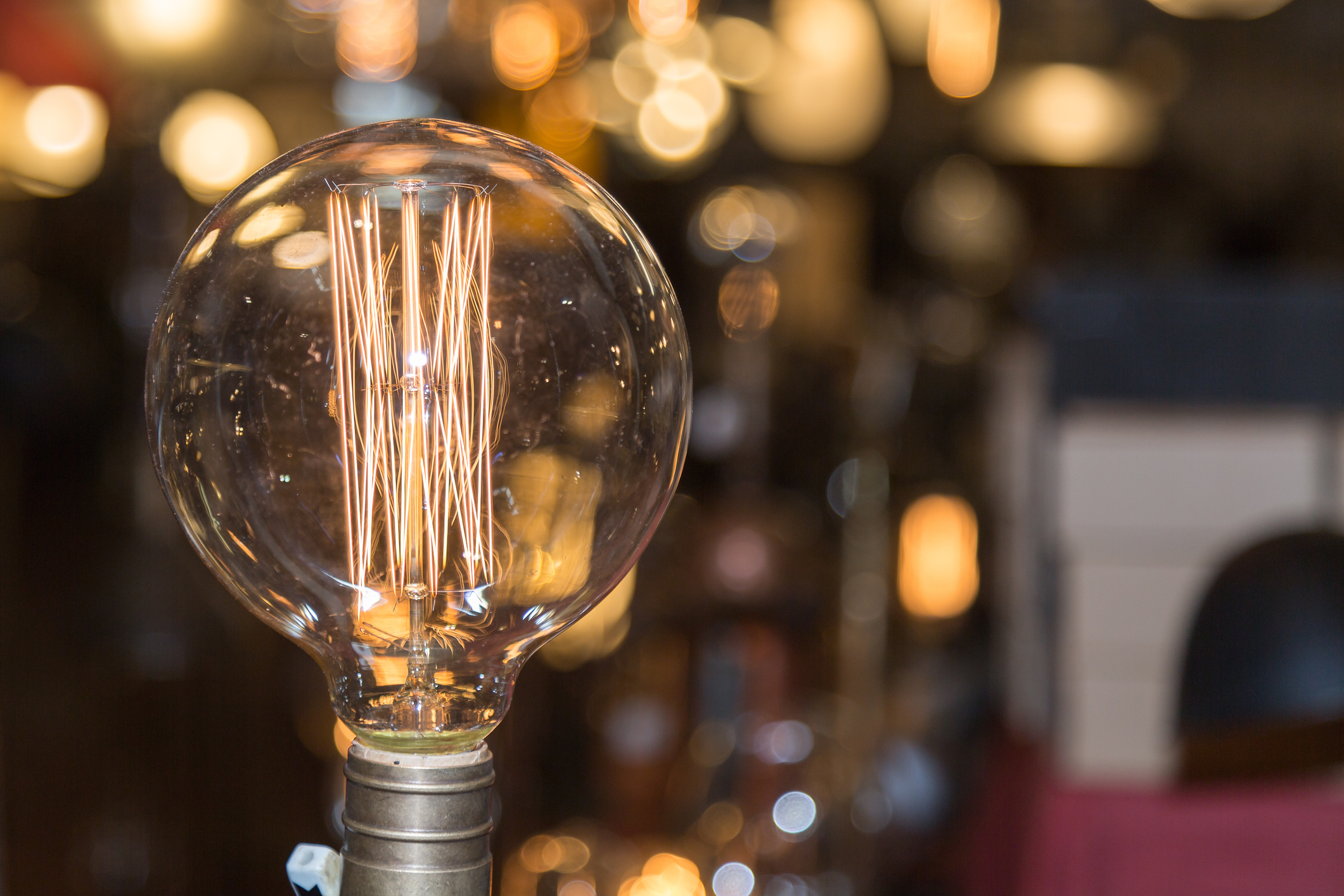
Lewis Latimer: Carbon Light Bulb Filament
Known for: Carbon filaments enabled light bulbs to burn brighter and last longer, and Latimer perfected the process of producing these filaments on a mass scale. He worked on other projects alongside famous inventors like Thomas Edison and Alexander Graham Bell, earning seven patents of his own. (1848–1928)
Learn more: Lewis Latimer House Museum
Try this: Experiment by building your own light bulb and testing different filaments to see which burn brightest and last longest.
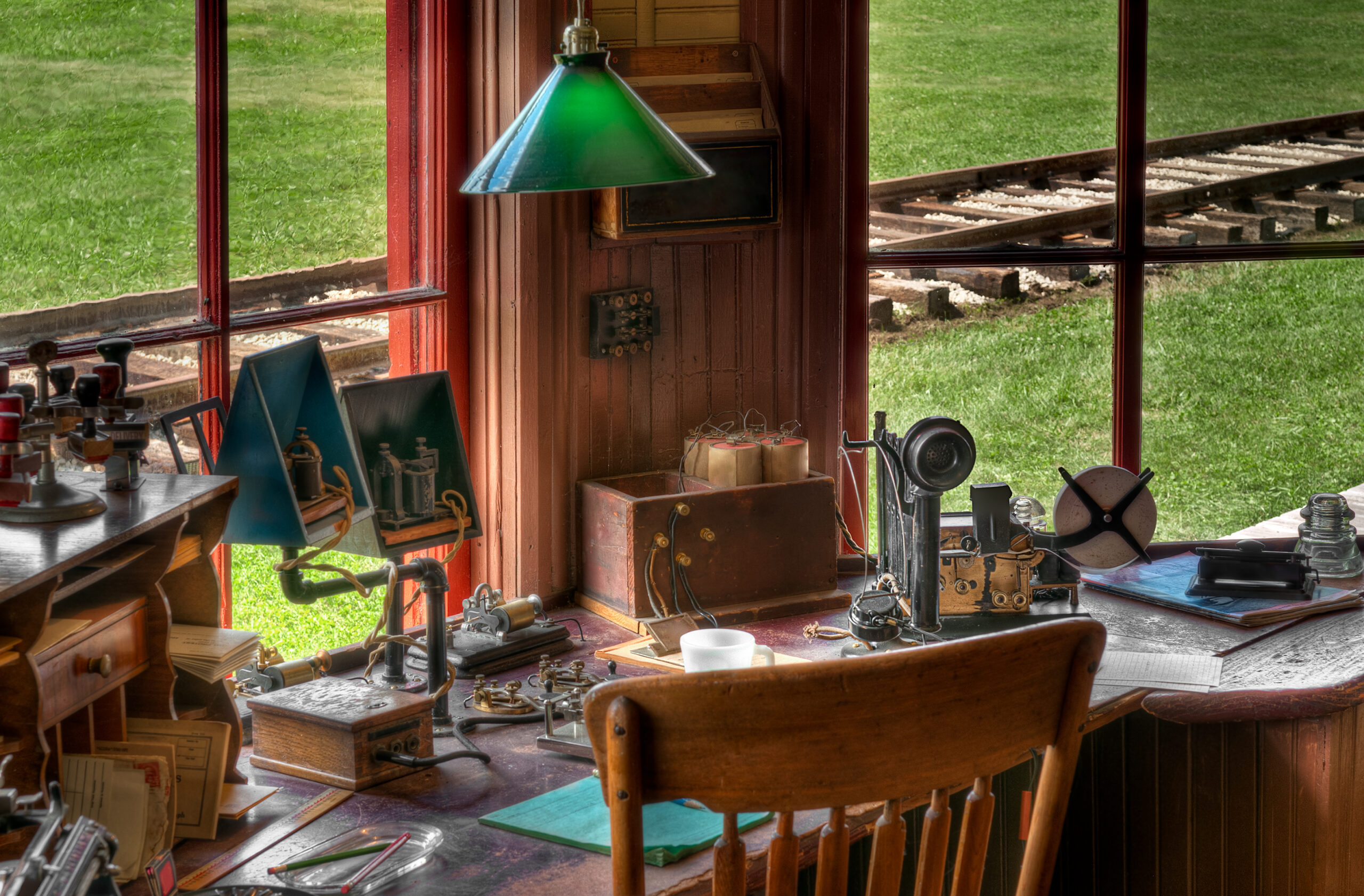
Granville T. Woods: Railroad Telegraph
Known for: In the 1800s, fast-moving trains had no way to communicate with each other or with railroad stations, meaning they couldn’t alert anyone in an emergency. Woods changed that with his induction telegraph, which used static electricity from the telegraph lines that ran alongside railroad tracks at the time. (1856–1910)
Learn more: Granville T. Woods at The New York Times
Try this: Static electricity played a big role in Woods’ invention. Learn more about it with these electricity experiments.
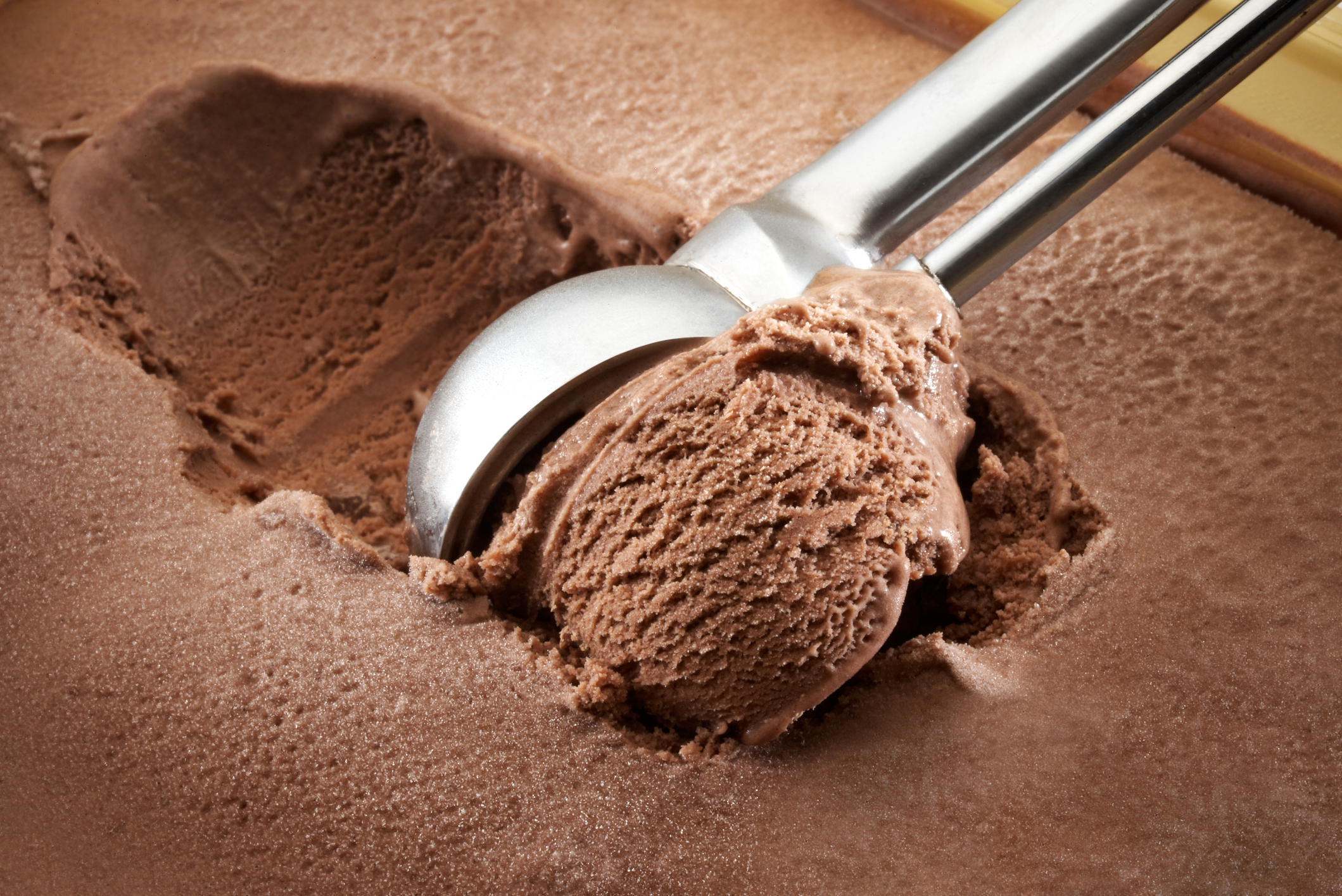
Alfred L. Cralle: Ice Cream Scoop
Known for: If you enjoy a cool dairy treat on a hot day, you’ve probably used a version of Cralle’s most famous invention: the modern ice cream scoop. Working in a drugstore, he noticed those working in the soda fountain had trouble getting ice cream off the spoon. He developed the one-handed self-dispensing scoop, and ice cream history was made. (1866–1920)
Learn more: Alfred Cralle at Black Past
Try this: Make your own ice cream in a bag, then use a Cralle-inspired scoop to enjoy it!
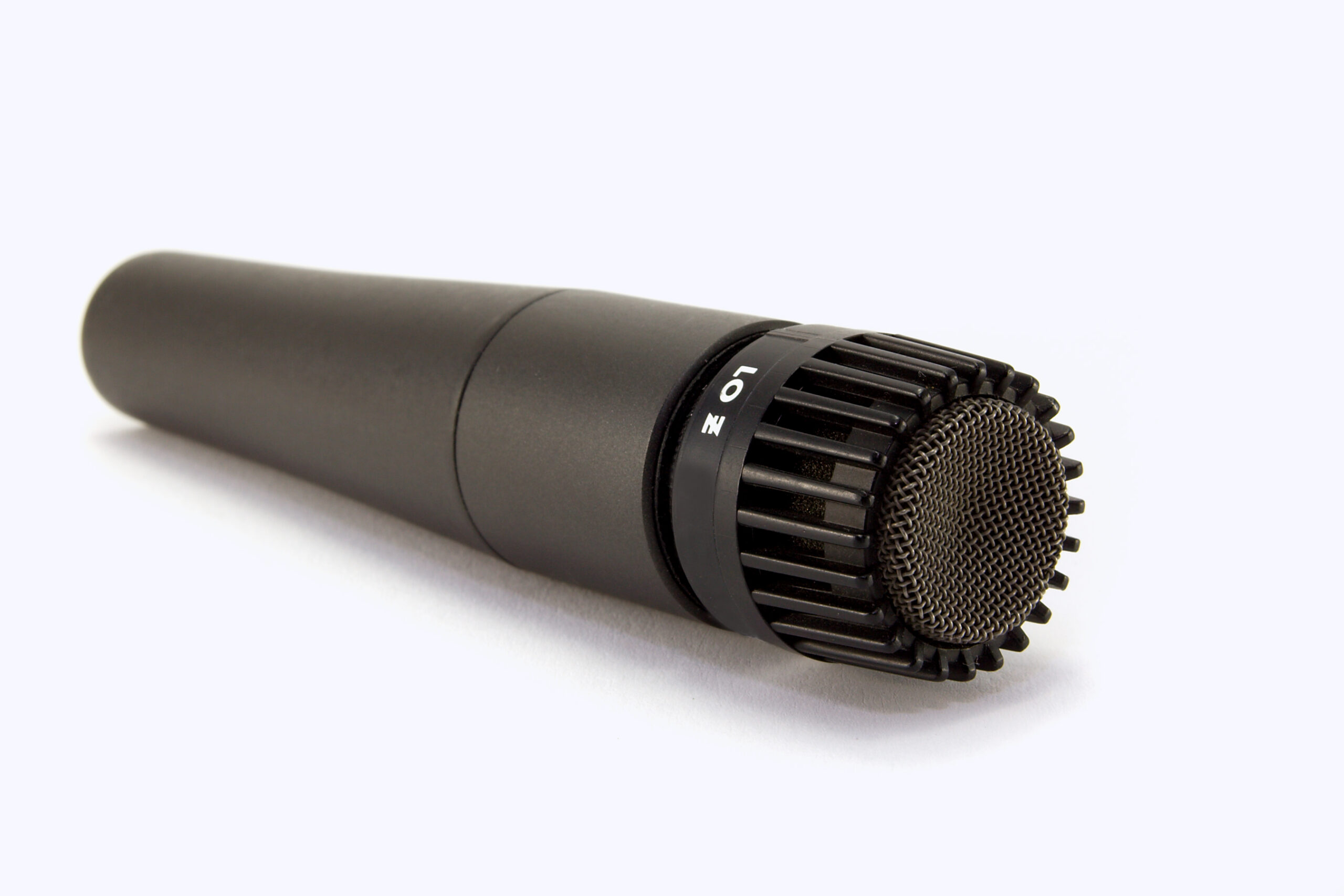
James West: Electret Microphone
Known for: Dr. West invented the foil electret microphone, a condenser-type microphone. This technology is used in 90% of today’s microphone equipment. This includes cell phones, recording equipment, and even hearing aids. (Born 1931)
Learn more: James West at Johns Hopkins Whiting School of Engineering
Try this: Research and experiment with different ways of amplifying sound.

Lonnie Johnson: Super Soaker
Known for: Any kid who’s ever played with a Super Soaker or Nerf Blaster has Dr. Johnson to thank! He spent much of his career working for NASA’s Jet Propulsion Laboratory, and his innovations in aerospace technology are legendary. (Born 1949)
Learn more: Lonniejohnson.com
Try this: Put together a basic rubber band shooter, then see if you can tinker around to improve the design’s distance or accuracy.
Famous Women Inventors
Like those made by people of color, women’s inventions have also been overlooked for centuries. These incredible and ingenious women inventors will remind your students that the only limitations we have are those we place on ourselves.
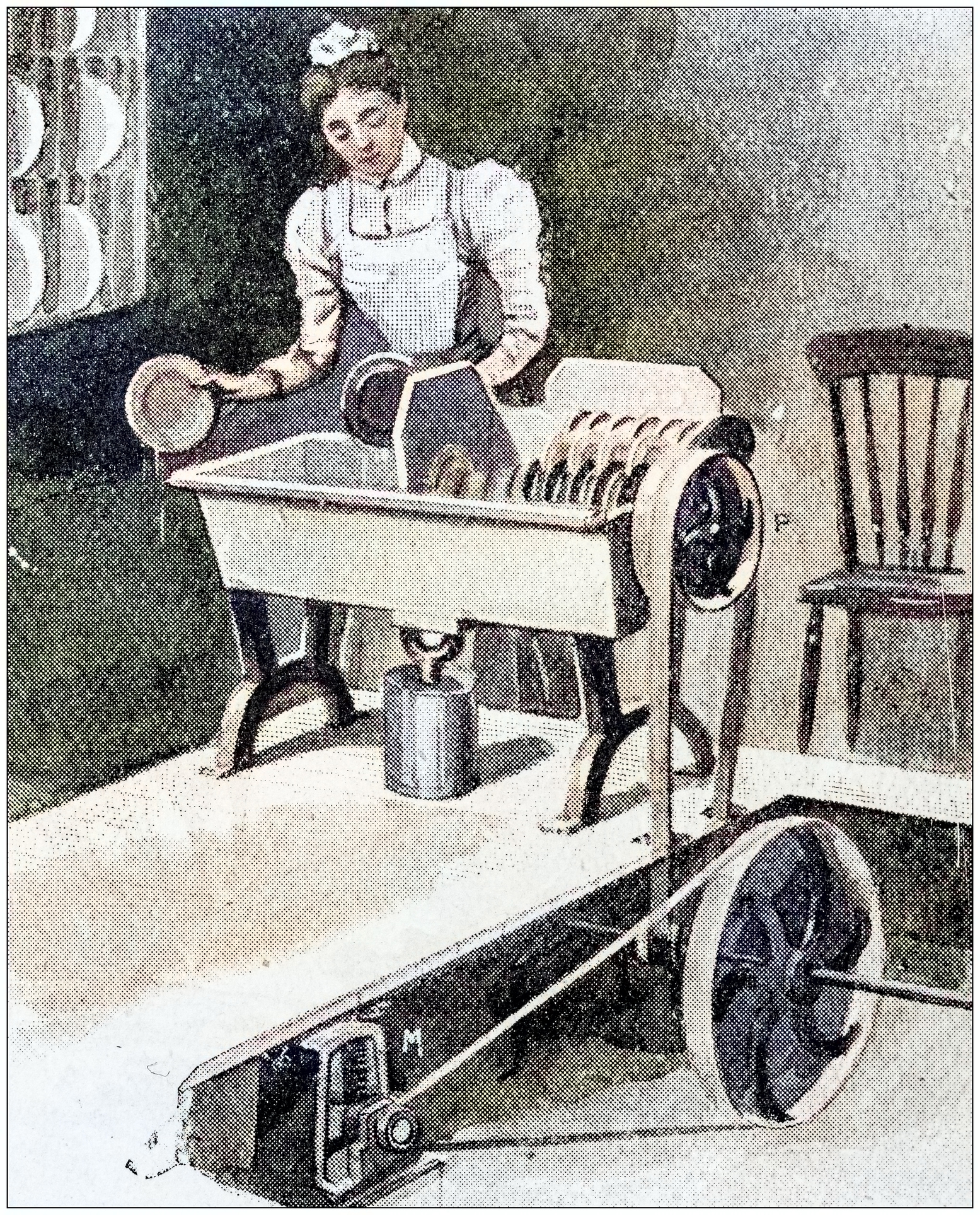
Josephine Cochrane: Dishwasher
Known for: Cochrane wanted a way to make dishwashing more efficient. After tinkering around in a shed in the backyard, she designed a machine that would heat water, add soap, and shoot it out in jet streams over dishes held in place by a rack. Others had tried to make dishwashing machines before, but Cochrane’s design was the one that finally caught on and is the same basic concept used today. (1839–1913)
Learn more: Josephine Cochrane at Lemelson-MIT
Try this: If you could improve today’s modern dishwashers, what features would you add? Draw your design and present it to potential “investors.”

Mary Anderson: Windshield Wipers
Known for: It’s hard to imagine a car without windshield wipers, but someone had to invent them, and that person was Mary Anderson. She developed them with trolley cars in mind, after a disappointing sightseeing trip where rain and ice cut the visibility. The device worked manually, operated from inside the car by a lever. Simple, effective, and incredibly useful. (1866–1953)
Learn more: Mary Anderson at Lemelson-MIT
Try this: Find out if windshield wipers clean just as well using only water compared to expensive washer fluid. Can you concoct an inexpensive windshield washer fluid at home?

Madam C. J. Walker: Black Hair Care Products
Known for: When a medical condition caused her to lose much of her hair, Madam Walker invented a treatment system that completely revolutionized Black hair care. She went on to become the first Black female millionaire in the United States. (1867–1919)
Learn more: Madam C.J. Walker Official Website
Try this: Make your own shampoo and test its performance.

Melitta Bentz: Paper Coffee Filter
Known for: Bentz loved her morning coffee, but not the grounds at the bottom of her cup and the mess in the pot. One day, she ripped some blotting paper from a pad and strained her coffee through it. She was thrilled with the results, and she and her husband started the Melitta company. It’s now an international organization selling coffee, coffee makers, and (of course) paper coffee filters. (1873–1950)
Learn more: Melitta Bentz at The New York Times
Try this: Coffee filters are also fun to use for crafts and science experiments. Try this one to see water defy gravity!
Katharine Burr Blodgett: Non-Reflective Glass
Known for: If you’ve ever tried to take a picture through a window only to capture your own reflection, you’ll appreciate the work Blodgett did to create non-reflective glass. It’s used in eyeglasses, microscopes, cameras, and thousands of other applications today. Blodgett was also the first woman to earn a PhD in Physics from the Cavendish Laboratory at Cambridge. Talk about smashing through a (non-reflective) glass ceiling! (1898–1979)
Learn more: Katharine Burr Blodgett at Cambridge University
Try this: Compare regular glass to non-reflective glass. Perform some experiments to find their similarities and differences.
Grace Hopper: Modern Computer Programming
Known for: When Hopper first started working with computers, they took up entire rooms. But she believed that one day they’d become more widely used and became one of the earliest computer programmers. She invented the first compiler, a program that translates programming code to machine language. (1906–1992)
Learn more: Grace Murray Hopper—A Legacy of Innovation and Service
Try this: Check out the Hour of Code program to learn how kids of all ages can learn computer coding in fun and easy ways.
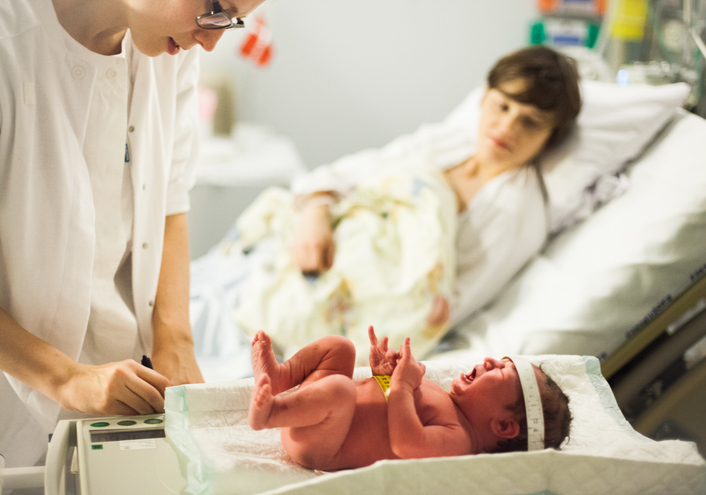
Virginia Apgar: Apgar Score
Known for: Immediately after birth, babies undergo quick tests to determine the general health of the newborn. Apgar designed and implemented the tests, which are simple and easy to administer. They can help determine if a baby needs resuscitation or respiratory support, as well as identify any potential issues. Today, thousands of babies born every day around the world receive Apgar scores when they’re born. (1909–1974)
Learn more: Virginia Apgar at the National Institutes of Health
Try this: Watch a video of Dr. Apgar demonstrating her method in 1964.
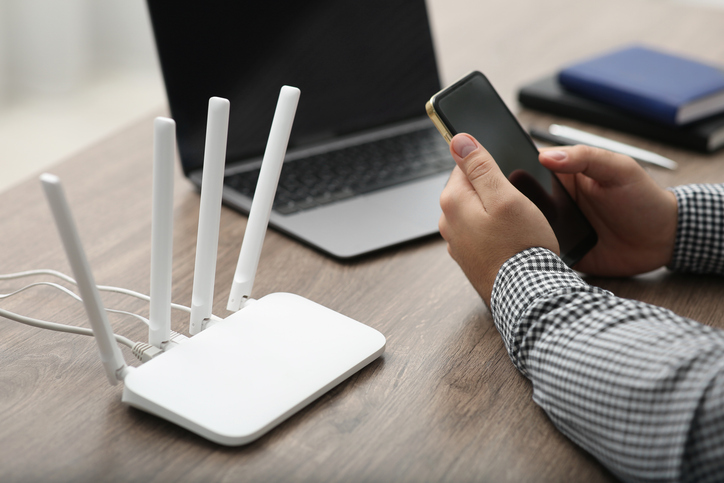
Hedy Lamarr: Wi-Fi and Bluetooth Technology
Known for: Here’s another famous scientist who didn’t directly invent our current technologies, but instead did the foundational work that makes it possible. After a successful career as an actress, Lamarr pivoted to science during World War II. She and her partner George Antheil developed “frequency hopping” radio waves. They were intended to help torpedoes find their target, but today are used as part of the technology that gives us Wi-Fi, Bluetooth, and more. (1914–2000)
Learn more: Hedy Lamarr at National Women’s History Museum
Try this: Watch one of Lamarr’s old films over a streaming platform using the Wi-Fi made possible by Lamarr’s technology.
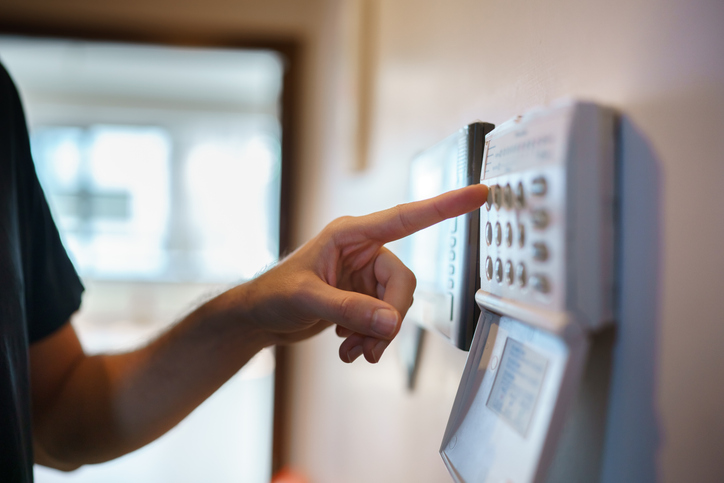
Marie Van Brittan Brown: Home Security System
Known for: Do you have a home security system? You can thank Marie Van Brittan Brown for it. She filed her patent in 1966, and it includes innovations still used today. She’s also known for the invention of closed-circuit TV. (1922–1999)
Learn more: Marie Van Brittan Brown at Black Past
Try this: Protect your stuff by learning how to build your own door alarm.
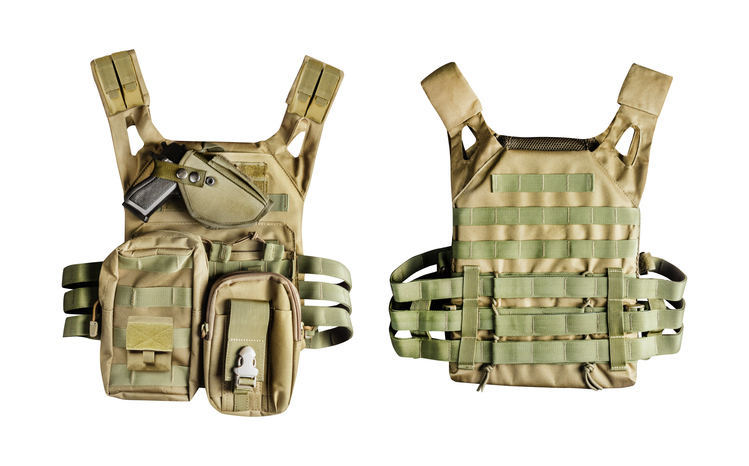
Stephanie L. Kwolek: Kevlar
Known for: Kwolek worked for Dupont, where she was tasked with finding next-generation fiber that could withstand extreme conditions. It turned out to be Kevlar, which is incredibly strong and also heat-resistant. Used extensively by the armed forces and police, Kevlar also makes appearances in items like bicycle tires and racing sails. (1923–2014)
Learn more: Stephanie L. Kwolek at Science History Institute
Try this: Do your own experiment to test the strength of various fibers, like acrylic yarn, cotton string, silk thread, and more.
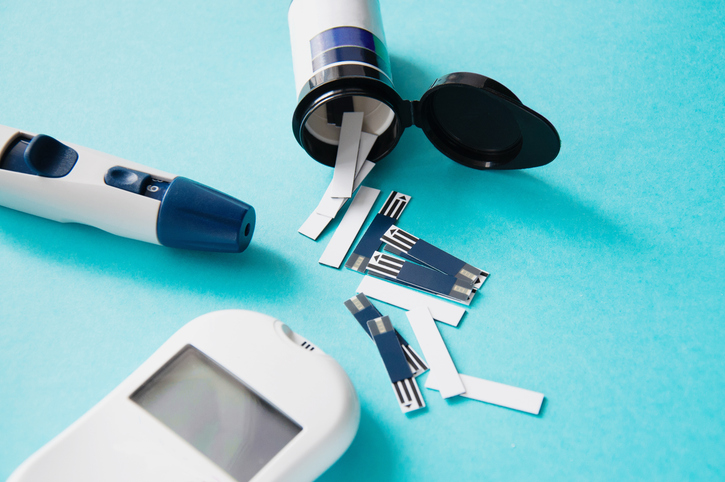
Helen Murray Free: Glucose Testing Strips
Known for: Along with her husband, Alfred, Free developed a simple urine test for glucose levels that doctors could perform in their office with no fancy equipment. Eventually, they realized the test could also be used by patients at home with special testing strips. They even developed a more encompassing test strip that could perform 10 different urinalysis tests in one. (1923–2021)
Learn more: Helen Murray Free at American Chemistry Society
Try this: Try using glucose testing strips to measure the glucose levels in juices with this experiment.
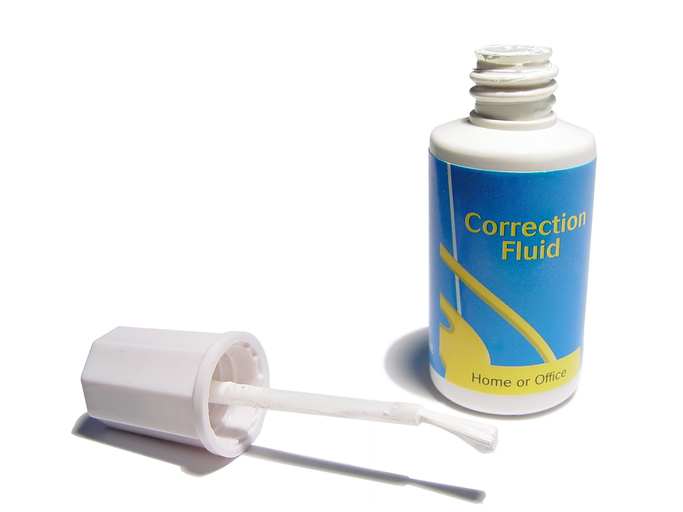
Bette Nesmith Graham: Liquid Paper
Known for: In the days of typewriters, fixing a typo wasn’t as easy as just clicking a few buttons. Graham, a secretary whose hobby was art, wished she could “paint over” her mistakes at work like she could on canvas. So, she invented Liquid Paper, starting the business in her own kitchen. While correction fluids aren’t as popular now as they once were, Graham’s invention was a lifesaver for typists for decades. (1924–1980)
Learn more: Bette Nesmith Graham at Lemelson-MIT
Try this: Graham mixed up the first Liquid Paper in her kitchen using tempera paint and a few other ingredients. Try making your own correct fluid in a rainbow of colors!
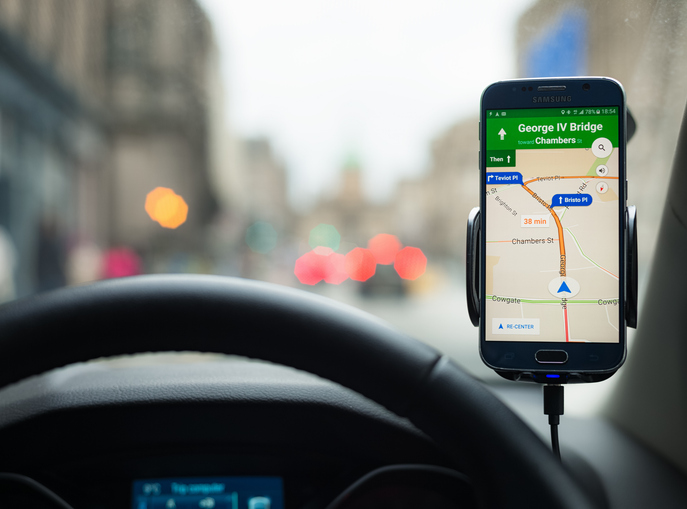
Gladys West: GPS Technology
Known for: While West didn’t directly invent the map app that’s on your phone, she was responsible for Seastat, an ocean surveillance satellite project that helped collect and analyze data. This grew into GEOSTAT, a program that precisely calculates the orbits of satellites. It’s that technology that enables the GPS devices and apps we rely on today. (Born 1930)
Learn more: Gladys West at Britannica
Try this: Using a paper map, can you figure out a better, faster route to your favorite place than a map app can?
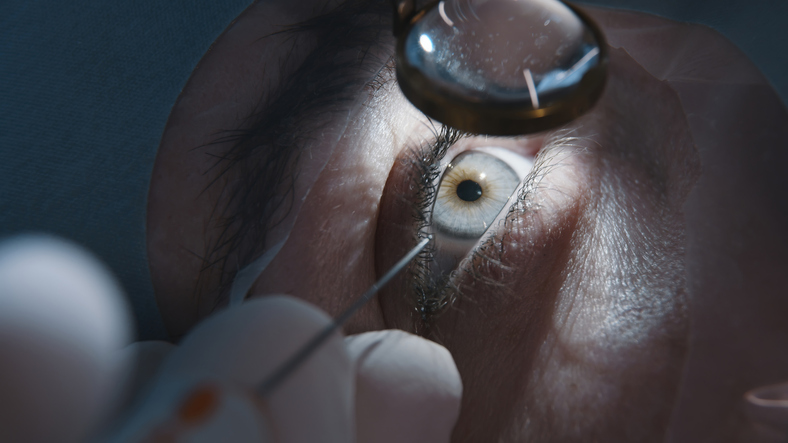
Patricia Bath: Laser Cataract Surgery
Known for: Kids may not give a lot of thought to cataracts, but they should still know about Dr. Bath. She was the first African American female doctor to receive a medical patent. She invented the Laserphaco Pro probe, which revolutionized cataract surgery. (1942–2019)
Learn more: Patricia Bath at Biography
Try this: Understand more about the anatomy of the eye by building a 3D human eye model.

Valerie Thomas: Illusion Transmitter
Known for: This is one super-cool invention: Thomas’s Illusion Transmitter makes 3D images appear to float in space! This technology uses concave mirrors to create an optical illusion, and is used in virtual reality, medical imaging, and more. (Born 1943)
Learn more: Valerie Thomas at Lemelson-MIT
Try this: Create your own amazing illusion by building an infinity mirror.
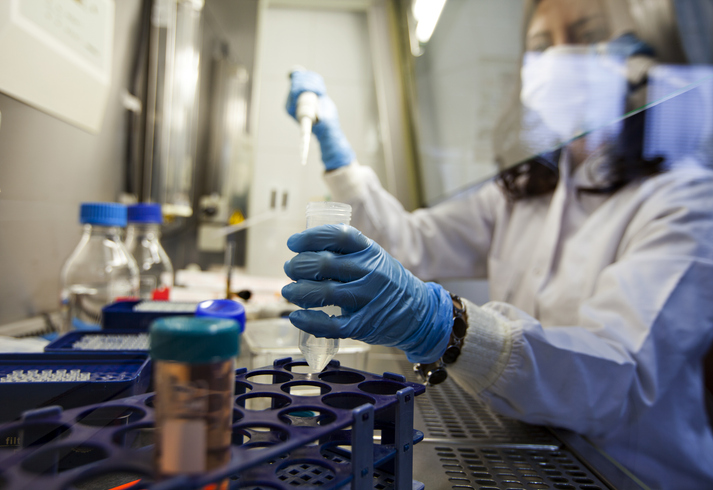
Ann Tsukamoto: Human Stem Cell Isolation
Known for: Dr. Tsukamoto is on the cutting edge of one of the most exciting new technologies: stem cells. She holds several patents for the technology to isolate various types of stem cells. (Born 1952)
Learn more: Ann Tsukamoto, Necessity Is the Mother of Invention
Try this: Watch this video to learn more about stem cells and their importance in modern medicine.
Pre-20th Century Famous Inventors
These famous inventors are some of the first that spring to mind when you consider impressive innovators throughout the ages.

Johannes Gutenberg: Printing Press
Known for: Gutenberg was the first European to invent the printing press. The movable type he used made mass printing possible and brought books and reading to the masses. (c. 1400–1468)
Learn more: Biography of Johannes Gutenberg, German Inventor of the Printing Press (ThoughtCo)
Try this: Visit thrift shops to find an old panini press, then turn it into a printing press.

Leonardo da Vinci: Polymath
Known for: Da Vinci was the original Renaissance Man. He was a gifted artist, but he also invented a wide array of technologies. These include the aerial screw, which led to modern helicopters, and an underwater diving suit that was the precursor to today’s scuba gear. (1452–1519)
Learn more: Leonardo Da Vinci Inventions
Try this: Da Vinci was fascinated by flying machines. Find out how to build your own Da Vinci–style ornithopter with household items.
Benjamin Franklin: Bifocals, Stove, and More
Known for: This Founding Father was an innovator in more ways than one, and he was among history’s most famous inventors. His inventions include the lightning rod, bifocals, and the Franklin stove. (1706–1790)
Learn more: Benjamin Franklin’s Inventions
Try this: Franklin is famous for experimenting with electricity. Try one of these kid-safe electricity experiments to follow in his footsteps.
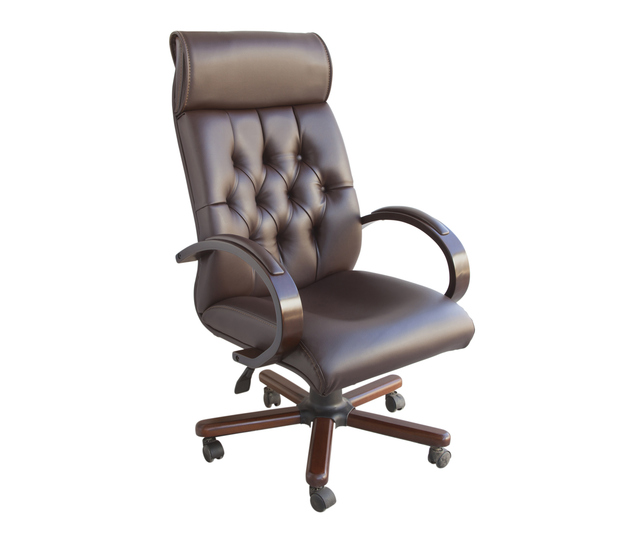
Thomas Jefferson: Swivel Chair, Dumbwaiter
Known for: When he wasn’t writing the Declaration of Independence or being president, Jefferson loved to tinker. His swivel chair was an instant hit, and he also created the dumbwaiter system. (1743–1826)
Learn more: Thomas Jefferson: Inventions & Accomplishments
Try this: Assemble a homemade pulley system to mimic Jefferson’s dumbwaiter.
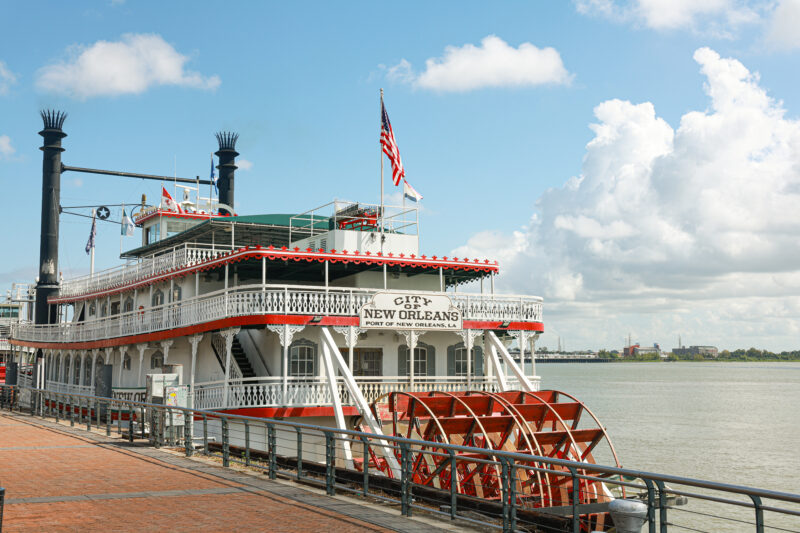
Robert Fulton: Steamboat
Known for: Fulton got his start as an artist, but it was his interest in steam engines that turned him into one of the most famous inventors. He used and improved on the technology of the time to make the first commercial steamboats. (1765–1815)
Learn more: Robert Fulton at Ducksters
Try this: For a cool science fair project, learn to make a model of a steam-power generator.
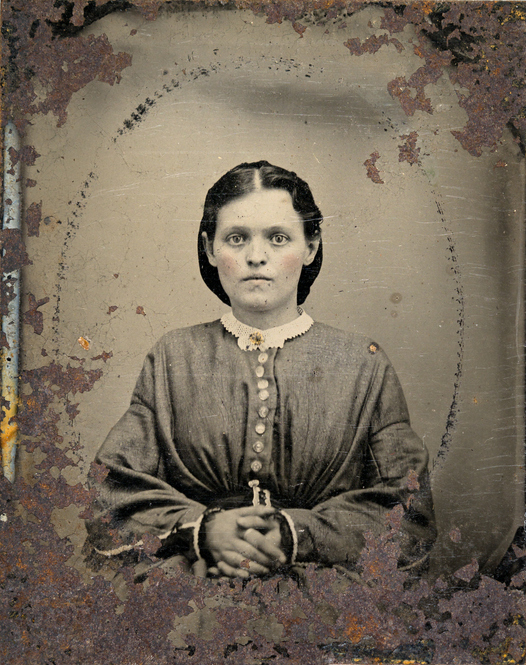
Louis Daguerre: Daguerreotype
Known for: In his work as a professional scene painter for the opera, Daguerre began experimenting with camera obscura for painting large backdrops. Over time, he worked to develop the daguerreotype, the precursor of modern photography. (1787–1851)
Learn more: Louis Daguerre, Inventor of Daguerreotype Photography at ThoughtCo
Try this: Make your own camera obscura with a box and basic household supplies.
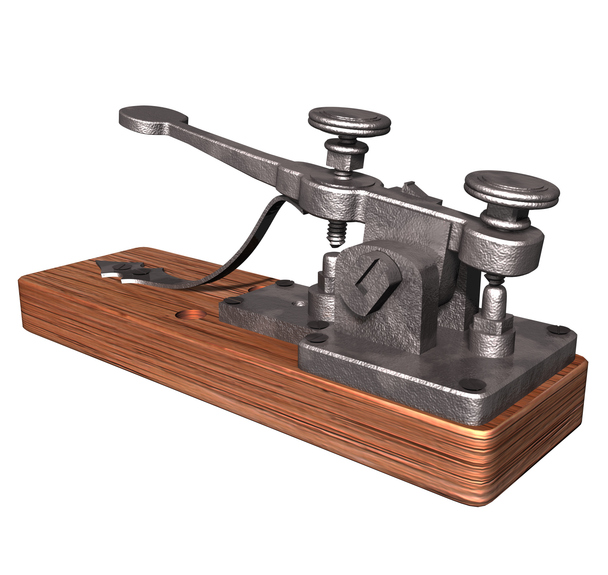
Samuel Morse: Electric Telegraph, Morse Code
Known for: Yet another artist-turned-inventor, Morse is best known for developing the electric telegraph, which allowed people to communicate over long distances nearly instantly. He also developed Morse code: a system of dots and dashes used to send these messages. (1791–1872)
Learn more: Samuel F.B. Morse at Britannica
Try this: Learn Morse code and tap out messages to friends and family.
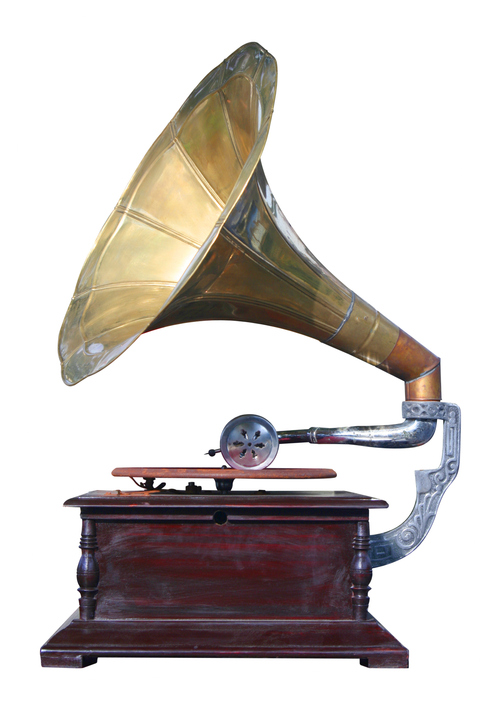
Thomas Alva Edison: Light Bulb and More
Known for: Edison is one of the most famous inventors of all time. He was prolific, but his best-known inventions include the incandescent light bulb, phonograph, and an early movie camera. (1847–1931)
Learn more: Thomas Edison National Historical Park
Try this: Learn how to make your own incandescent light bulb using a glass jar and a battery.
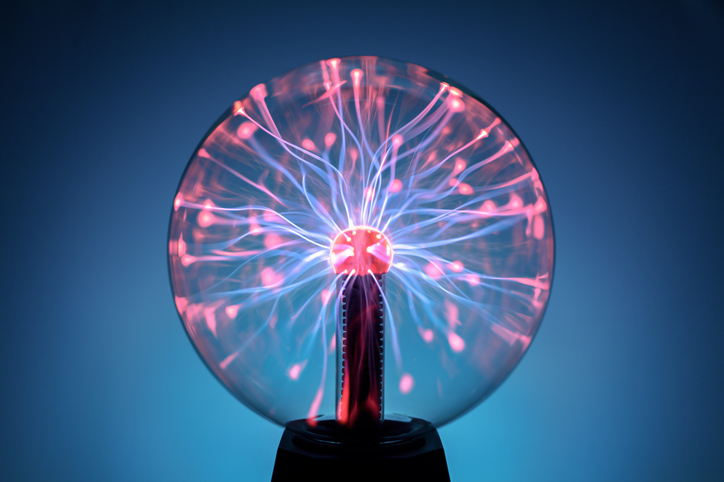
Nikola Tesla: Alternating Current
Known for: Edison and Tesla’s rivalry is well known. Tesla was the inventor and proponent of alternating current, which was ultimately proven more reliable than Edison’s direct current. He also created the Tesla coil, induction motor, and neon lights, among other inventions. (1856–1943)
Learn more: Tesla Science Center
Try this: Wow your science fair judges by building a Tesla coil of your own.
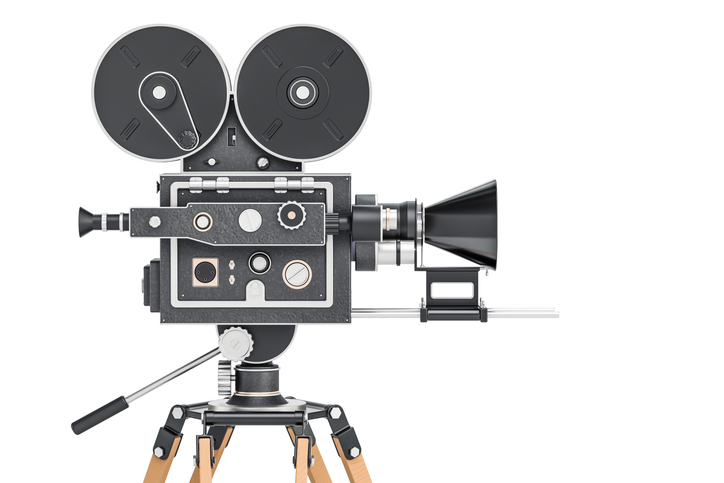
Auguste and Louis Lumière: Cinema Camera
Known for: The Lumière brothers gave us one of the most popular inventions of all time: the movies! Their Cinématographe was a three-in-one machine that could record, develop, and project films for an audience. (Auguste Lumière: 1862–1954, Louis Lumière: 1864–1948)
Learn more: The Lumière Brothers at Pioneers of Cinema
Try this: Screen movies using a homemade projector built with a cardboard box and a magnifying glass.
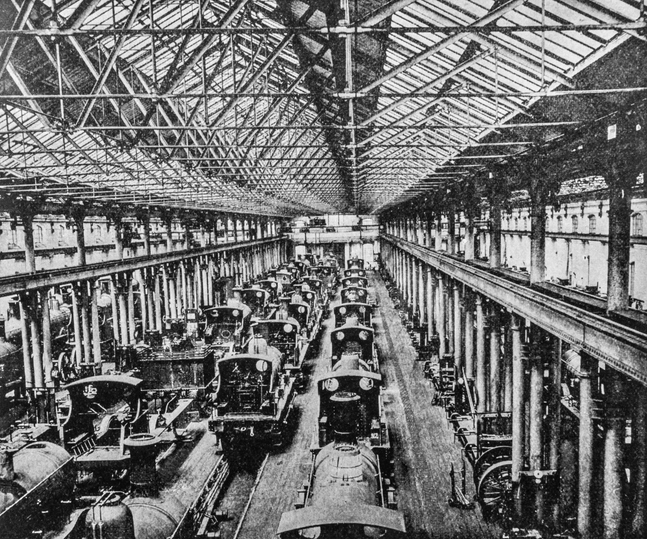
Henry Ford: Assembly Line, Model T, and More
Known for: Ford not only popularized the automobile, he also brainstormed the assembly line. This allowed mass production of his incredibly popular Model T and other cars. (1863–1947)
Learn more: Henry Ford at History.com
Try this: Put your students to work with these fun assembly line classroom activities.
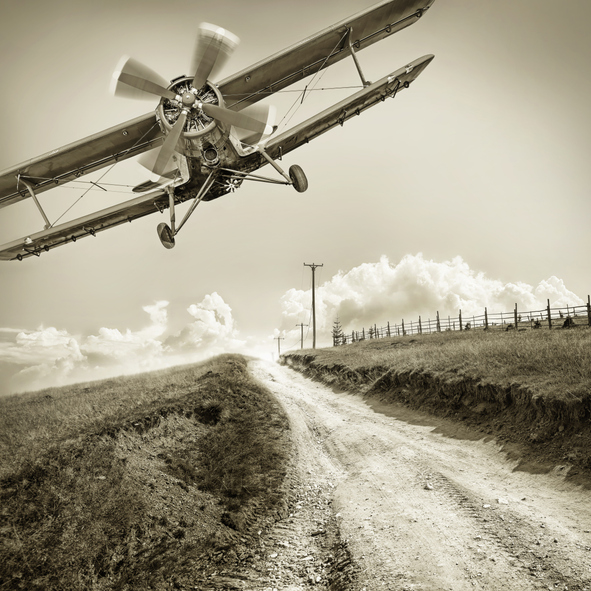
Wilbur and Orville Wright: Airplane
Known for: When the Wright Flyer took off from Kitty Hawk and flew for 12 seconds, the Wright brothers made history! Their flight marked the first engine-powered manned aircraft. (Wilbur Wright: 1867–1912, Orville Wright:1871–1948).
Learn more: Taking Flight With the Wright Brothers
Try this: Experiment by building paper airplanes to see which design performs best in flight. Here are a few basic designs to get you started.
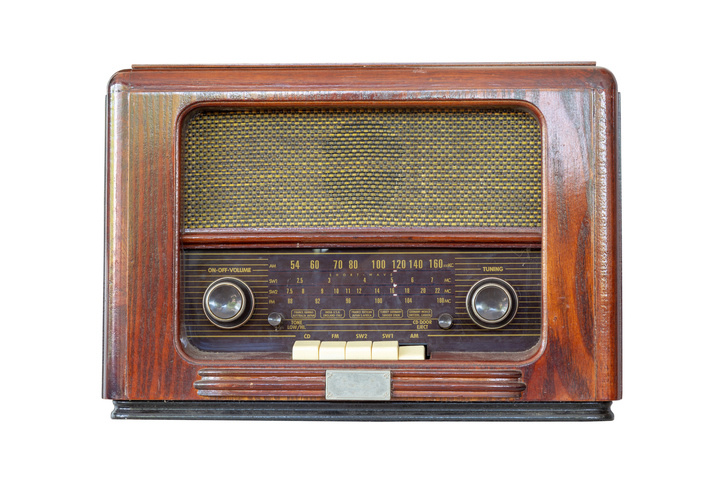
Guglielmo Marconi: Radio
Known for: Marconi changed the way humans communicated by developing the first effective system of radio communication. He sent the first radio transmission across the Atlantic Ocean in 1901. (1874–1937)
Learn more: Guglielmo Marconi at Britannica
Try this: Looking for a cool science fair idea? Make your own crystal radio.
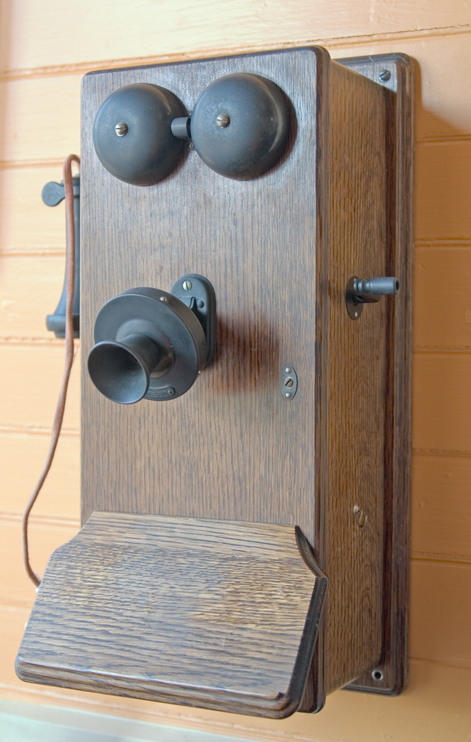
Alexander Graham Bell: Telephone and More
Known for: One of the most famous inventors around, Bell gave the world the telephone. Many of his other inventions were focused on helping the deaf, sparked by his desire to help his wife, Mabel, who lost her hearing at the age of 5. (1847–1922)
Learn more: Alexander Graham Bell at Britannica
Try this: Experiment with the classic tin can telephone to learn more about how sound travels.
Modern Famous Inventors
In the 20th century and beyond, inventors have moved technology forward in leaps and bounds, further than ever before. These are the folks leading us forward into the future!

Charles R. Drew: Blood Banks
Known for: Bloodmobiles are a common sight these days, thanks to Dr. Drew. He invented a way to process and store blood plasma, eventually managing two of the largest blood banks during World War II. (1904–1950)
Learn more: The Charles R. Drew Papers
Try this: Put together a blood model using beads or candies to learn about all the components blood contains.
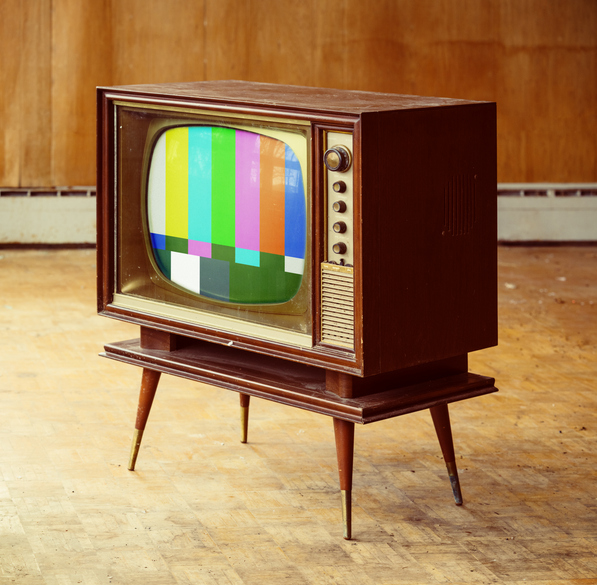
Philo Farnsworth: Television
Known for: If you love some classic screen time, thank Philo Farnsworth. His all-electronic television system made TV one of the world’s favorite pastimes. (1906–1971)
Learn more: The Farmboy Who Invented Television at Smithsonian Magazine
Try this: Find an old CRT TV or monitor and learn how cathode ray tubes work using a strong magnet.
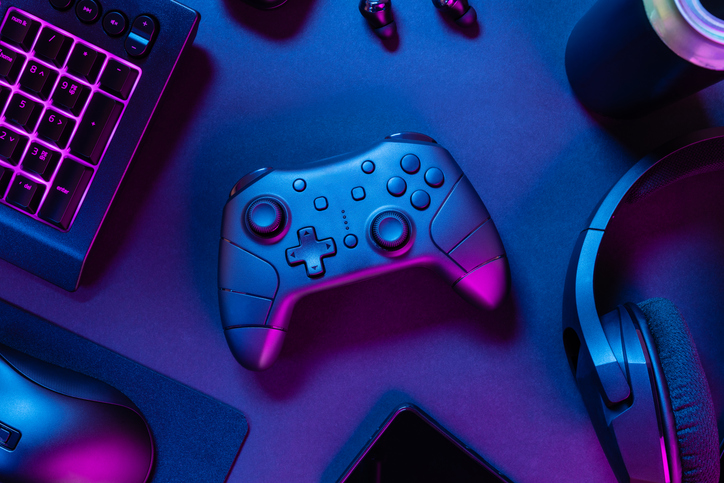
Ralph H. Baer: Video Games
Known for: While kids may not know Baer’s name, they’re sure to love his accomplishments. He’s known as the “Father of the Video Game” and helped develop some of the earliest gaming consoles. (1922–2014)
Learn more: Ralph H. Baer at National Center for Simulation
Try this: Use an app like Roblox to design and create your own video game experience.
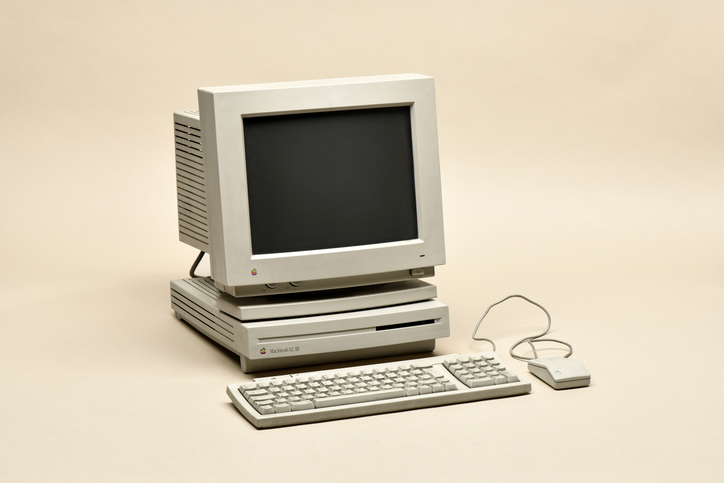
Steve Wozniak and Steve Jobs: Apple Computers
Known for: “Woz and Jobs” are two of the most famous inventors of the 20th century. Though Jobs went on to become more well known, he and Wozniak worked together to build the Apple I, the home computer that launched a revolution. (Wozniak: Born 1950; Jobs: 1955–2011)
Learn more: Steve Jobs and Steve Wozniak at Lemelson-MIT
Try it: If you can get your hands on an old computer that’s no longer needed, deconstruct it with your class to learn about the pieces and parts inside.
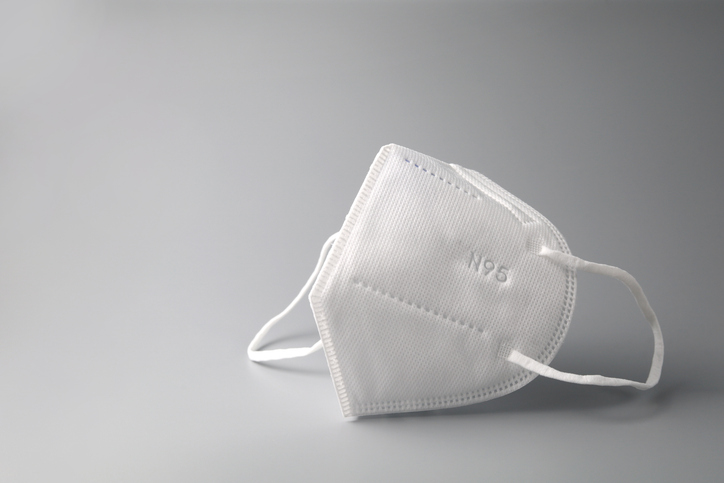
Peter Tsai: N95 Respirator Mask
Known for: Over the last couple of years or so, Tsai’s invention has suddenly become world-famous. He created the N95 respirator mask, which helps keep people safe against airborne viruses. (Born 1952)
Learn more: Our Dad Invented the N95 Mask
Try this: Follow Bill Nye’s lead and try this candle-extinguishing experiment to learn how effective face masks are.

Tim Berners-Lee: World Wide Web
Known for: If you’re reading this right now, thank Tim Berners-Lee. In 1991, he launched the World Wide Web, and the internet as we know it was born, making him one of the great famous inventors. (Born 1955)
Learn more: Tim Berners-Lee at Wired
Try this: Explore the history of the internet and find out what early web pages looked like. Kids will be astonished!
Thomas David Petite: Wireless Technology
Known for: Petite has made major contributions to wireless technologies, including the components of the Smart Grid. He founded the Native American Intellectual Property Enterprise Council to help fellow Native American inventors. (Born 1956)
Learn more: Thomas David Petite at ReadWorks
Try this: Check out this video to learn more about the Smart Grid and how it’s used.
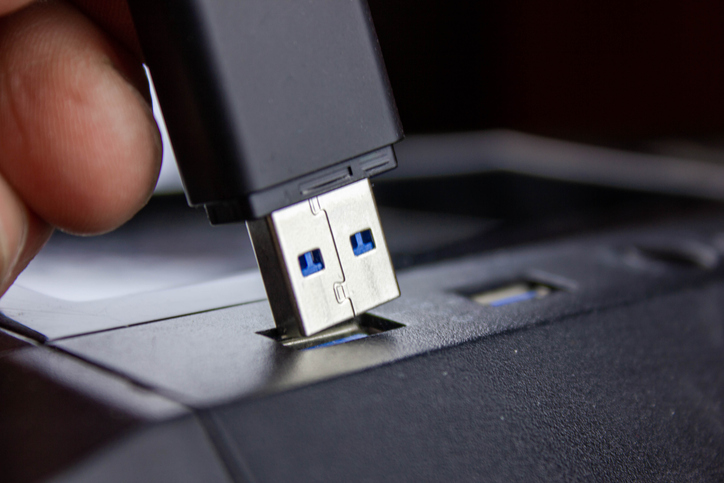
Ajay Bhatt: USB Technology
Known for: Every time you plug your phone in to charge or attach a component to your laptop, you can thank Ajay Bhatt for inventing USB technology. (Born 1957)
Learn more: Ajay Bhatt—The Inventor of the USB
Try this: Look around your classroom or home and find all the devices that use USB ports and technology.