
Creative expression can be a powerful support for students’ social‑emotional learning. Through the creative process, art projects promote self-expression, enhance emotional well-being, and offer new ways of identifying, processing, and coping with big feelings. In this roundup, you’ll find art activities inspired by principles commonly used in art therapy. While these activities encourage self‑expression and emotional reflection, they are not intended as a replacement for professional mental health services.
What is art therapy?
Art therapy is a therapeutic process that integrates psychotherapy and art. Through the use of creative techniques such as painting, drawing, coloring, collage, and sculpting, people can express themselves artistically. In the therapeutic setting, credentialed art therapists can then help clients examine the emotional and psychological undertones of their art to better understand and process their emotions and behaviors.
According to art therapy manager Tammy Shella, “The main idea of art therapy is to utilize art as another form of expression, especially for things that might be difficult to express verbally. The art therapist and patient may discuss the art: what is included, the ‘story’ it tells, and/or the emotions it represents which can help the patient gain personal insight or understanding.”
Although teachers won’t be acting as therapists in the classroom, art can help kids explore their emotions, improve self-esteem, relieve stress, and ease anxiety and depression. Here are some simple activities inspired by art therapy that will help your students identify and manage their feelings.
1. Create self-portrait collages
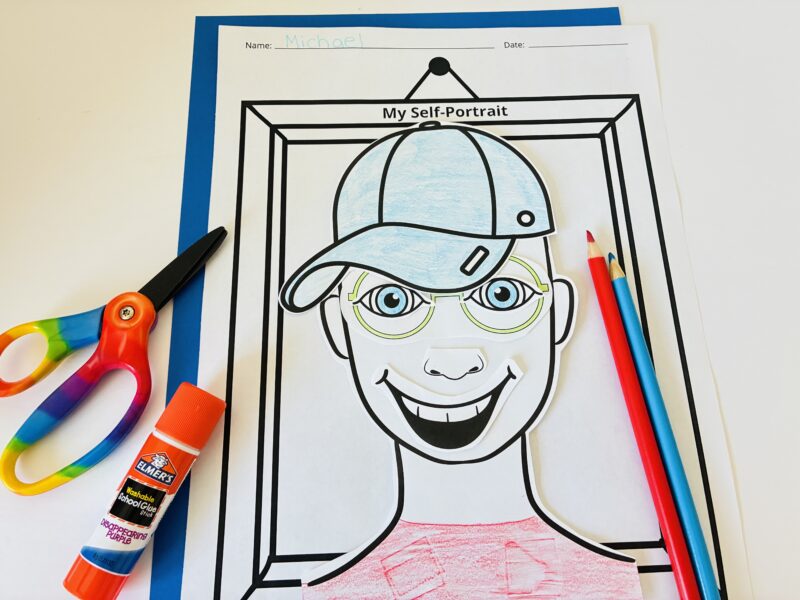
According to research, self-portraiture can encourage self-reflection and accepting the self. Have students create collages that represent different aspects of their personalities or lives using magazines, fabric scraps, and other materials.

SELF-PORTRAIT TEMPLATE BUNDLE (FREE PRINTABLES)
Use this self-portrait template bundle for art or writing assignments throughout the year.
2. Make art from nature
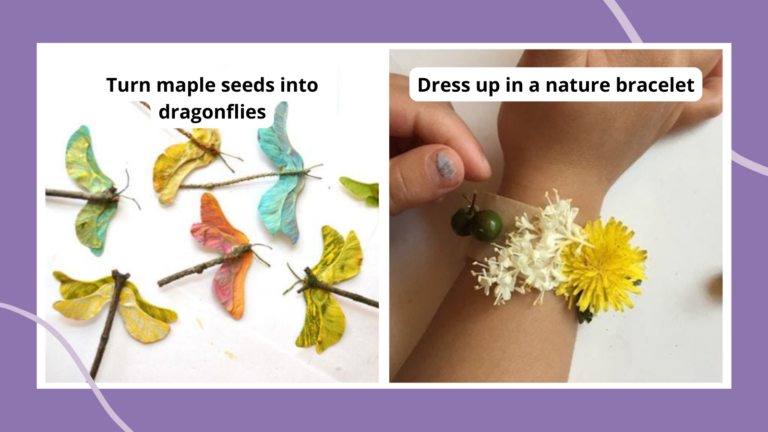
According to the American Psychological Association, being in nature can improve our mental health and sharpen our cognition. Head outside and gather materials like twigs, leaves, stones, and flowers, then use those items to make something meaningful.
3. Weave friendship bracelets
Teach students to make friendship bracelets as a way to think about and appreciate their relationships. An added benefit is that some art therapists believe that just the simple act of concentrating on making the intricate designs can relieve stress!
4. Make masks
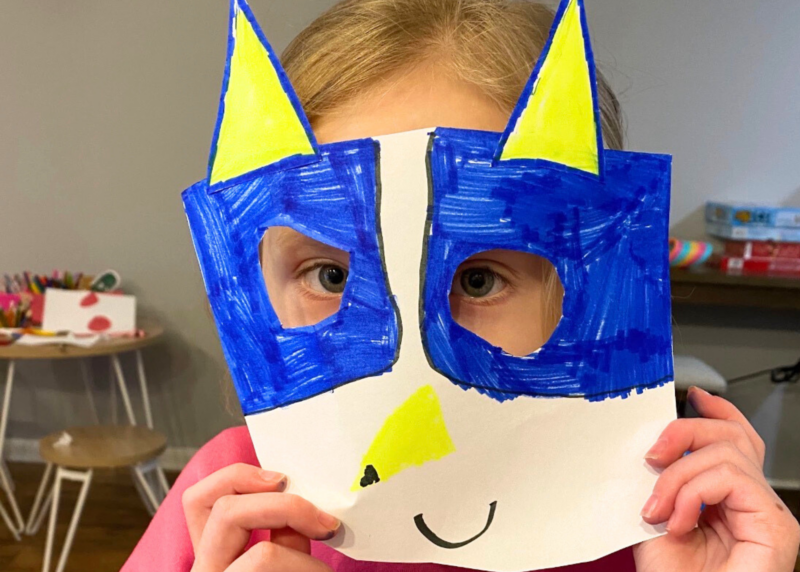
In art therapy, creating or decorating a mask often leads to exploring different aspects of our personality. Sometimes we can create a mask that reveals things that are hard to express. Encourage students to make masks that represent how they feel. They can also decorate the masks to reflect the intensity and nature of the emotion.
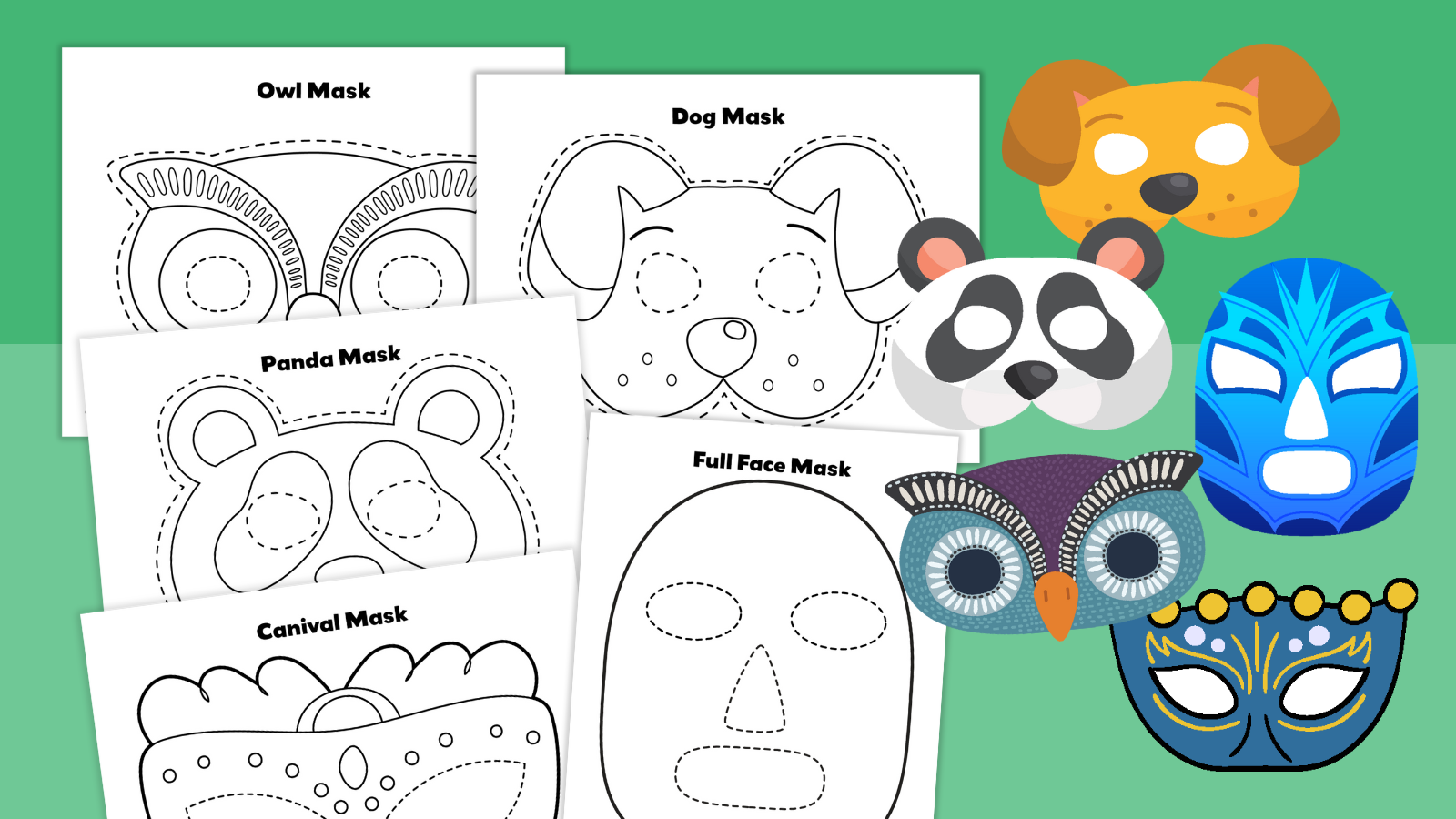
FREE PRINTABLES
These mask templates have everything you need to inspire students, like characters, animals and more!
5. Create a magazine photo mashup
Dr. Cathy Malchiodi explains the process of magazine photo collage as “using images to create a visual narrative that enhances the dialogue between client and therapist.”
Have students cut out images from magazines that catch their eye. Then give them a piece of paper and glue and have them arrange the images in a collection. If they are willing, ask them to narrate their process as they go.
6. Fly a personal flag
Encourage students to design and create a flag that represents who they are, their values, dreams, and aspirations. This activity can be especially useful when helping kids get in touch with their true selves, personal goals, and sense of identity.
7. Create mood mandalas
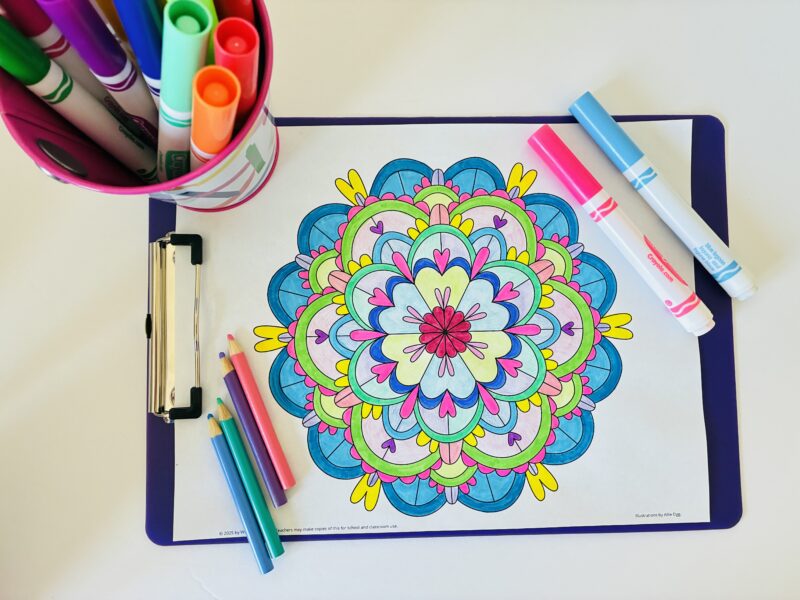
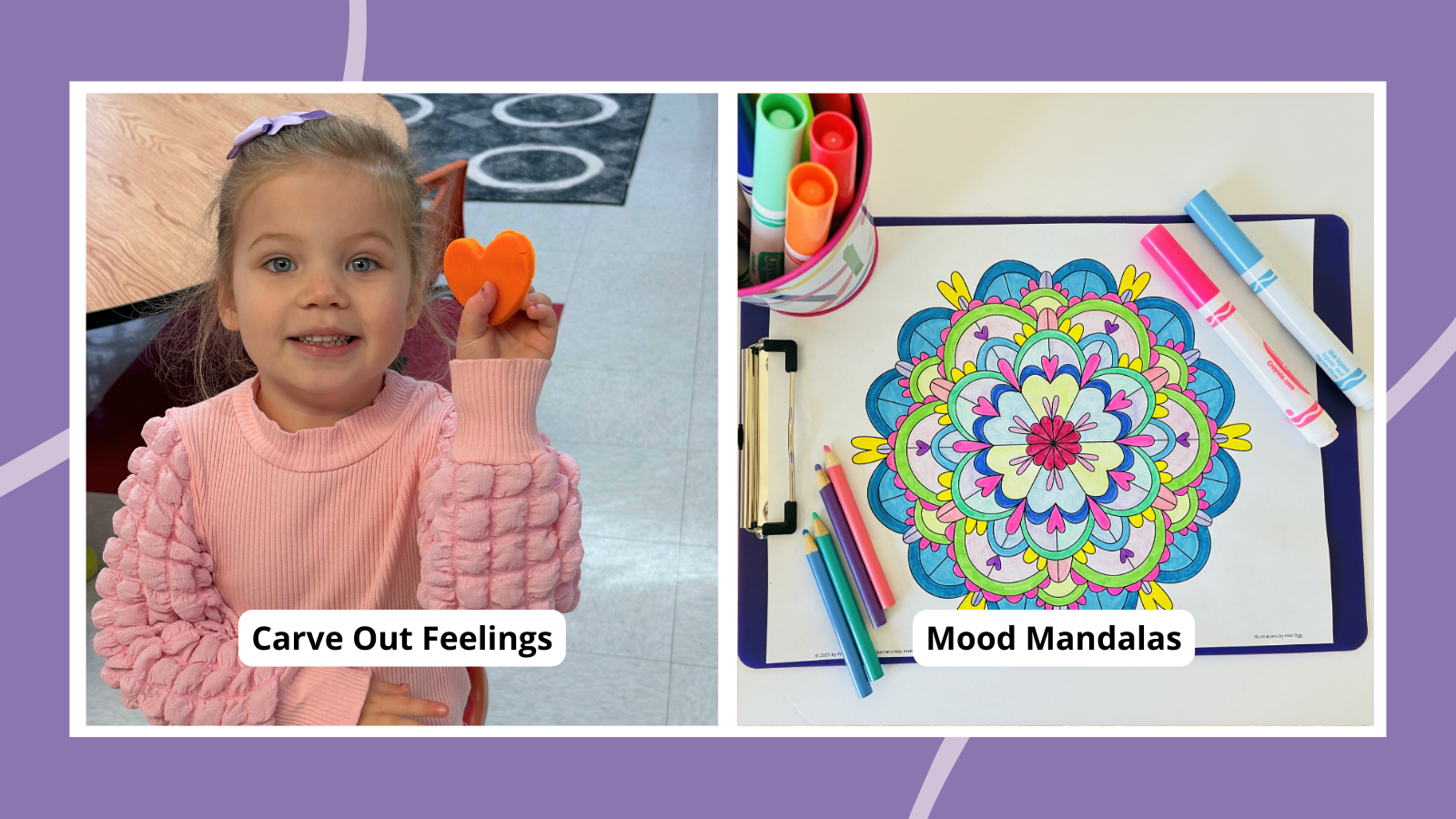
According to research, creating mandala art is a therapeutic method that can be used to reduce the symptoms of depression, anxiety, and stress among students. In fact, it can be especially helpful for those with symptoms of attention deficit hyperactivity disorder (ADHD).
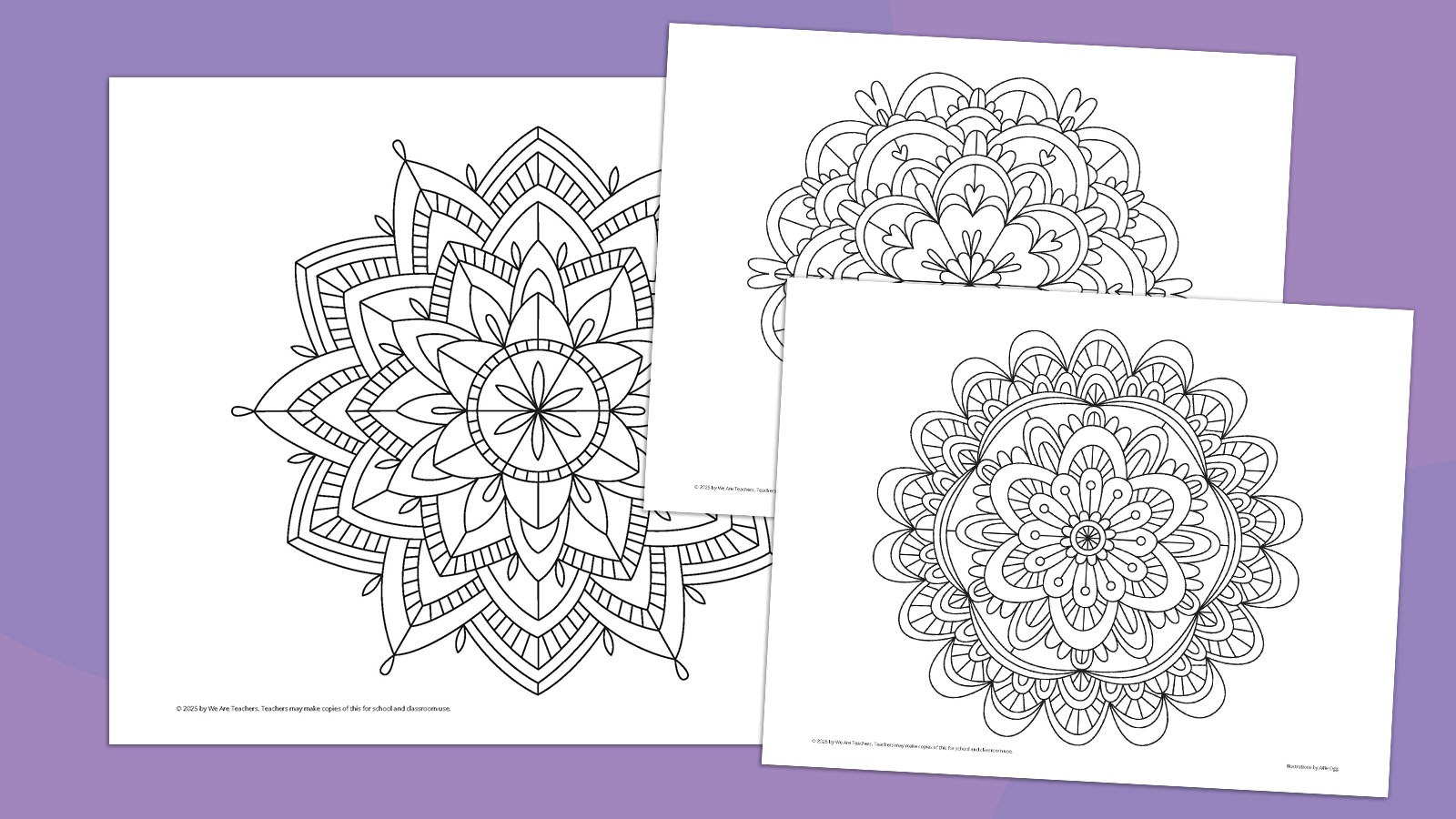
FREE PRINTABLES
Save and print these mandala coloring pages and help students get their calm on.
8. Make dream catchers
Some therapists use dream catchers to help promote better sleep in kids who experience nightmares or become “preoccupied with thoughts, worries, fears, or bad memories that can get in the way of a good night’s sleep.” Making them is easy and fun and can help kids feel more safe and secure at bedtime.
9. Tell a hero’s story
Storyboarding allows kids to participate in a design method where they can tell stories by drawing emotional expressions. Have your kids create a comic strip or storyboard that tells a story of a hero—an alter ego of themselves—overcoming challenges.
10. Open up to a worry doll
Rooted in Guatemalan history, therapists have found worry dolls to be very valuable in helping kids overcome difficult emotions, especially grief. Using clothespins, twigs, and other common items, students can “create their own very special ‘friend’ who can listen to their worries and fears.”
11. Fill a memory box
Memory boxes “readily protect and hold memories, secrets, narratives, and emotions. They provide a space for creating, storytelling, exploration and documentation.” Have students decorate boxes to hold special memories, treasures, and items that are meaningful to them from the school year.
12. Hang gratitude chains
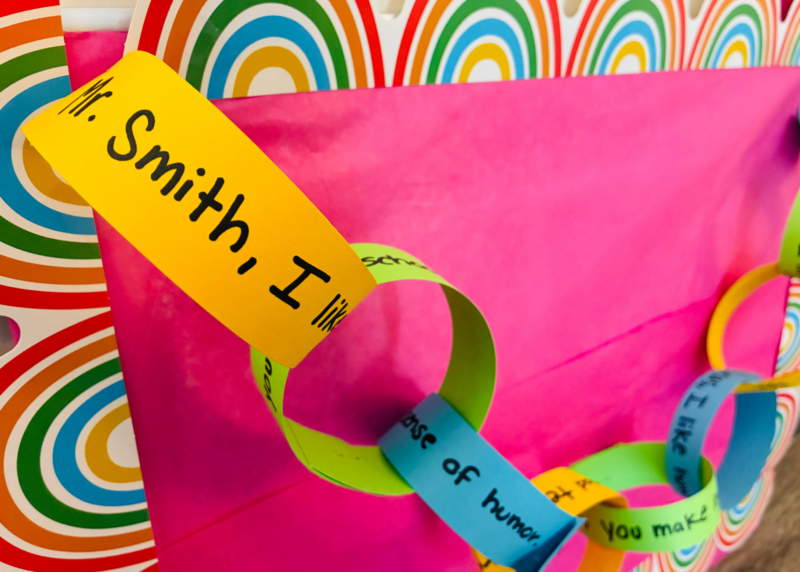
Expressing gratitude can provide physical and mental benefits such as decreased anxiety and depression and improved sleep, mood, and immunity. A great way to bring this into the classroom is to have students create a chain or banner focused on gratitude.
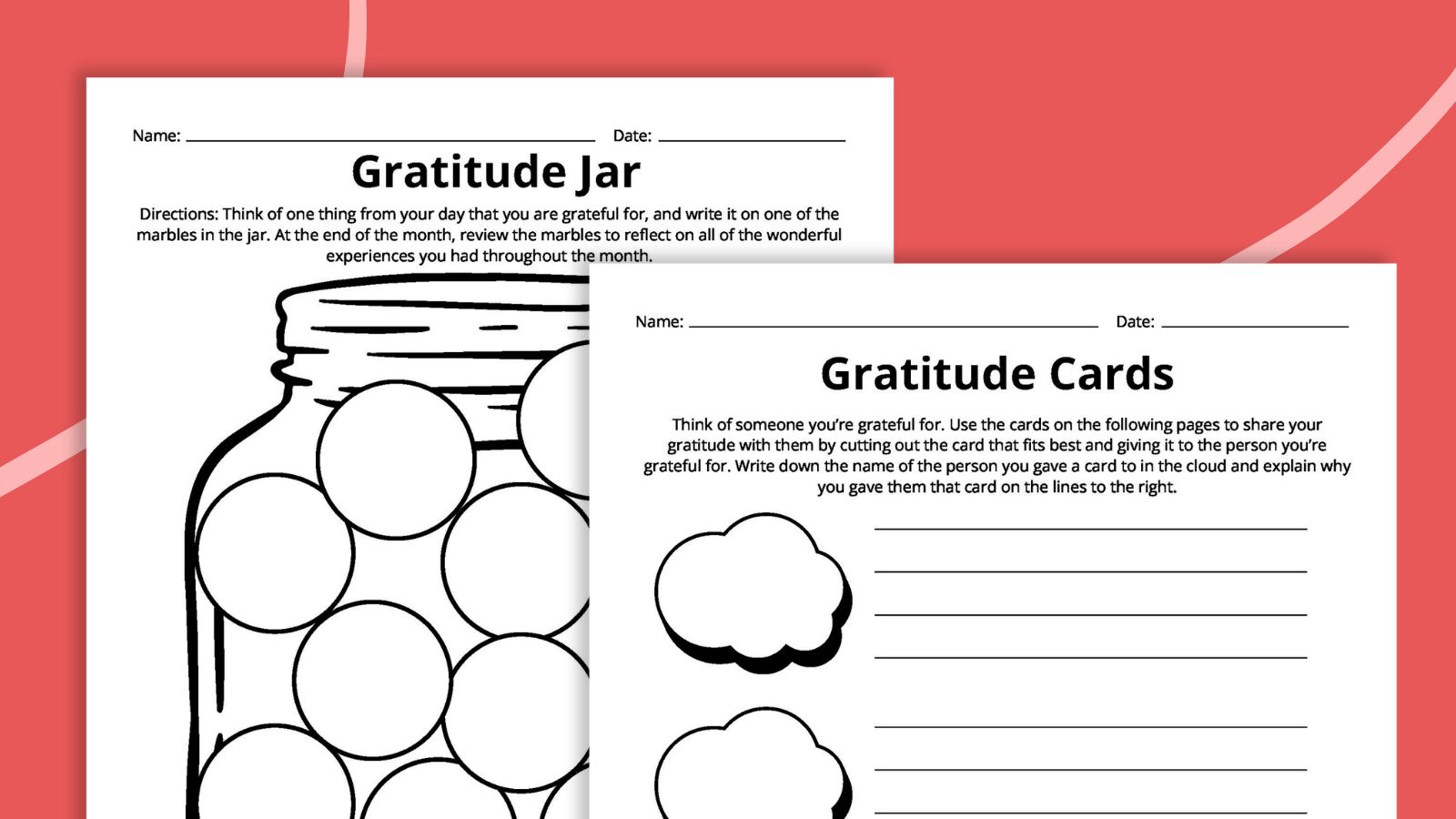
FREE PRINTABLES
These gratitude worksheets will help you inspire your students to recognize and appreciate the positive things (big and small) happening in their lives.
13. Puzzle pieces
Use a simple puzzle template to make puzzle pieces. Then, each student decorates a puzzle piece that represents them. This can help kids explore the concept of identity and what makes each person unique.
14. Spin a feelings wheel
A feelings wheel can help kids “learn how to understand and process emotions, increase self-awareness, enhance emotional communication, and boost well-being.” Have kids make a wheel on paper divided into segments that they can spin; each segment has a different emotion or coping strategy.
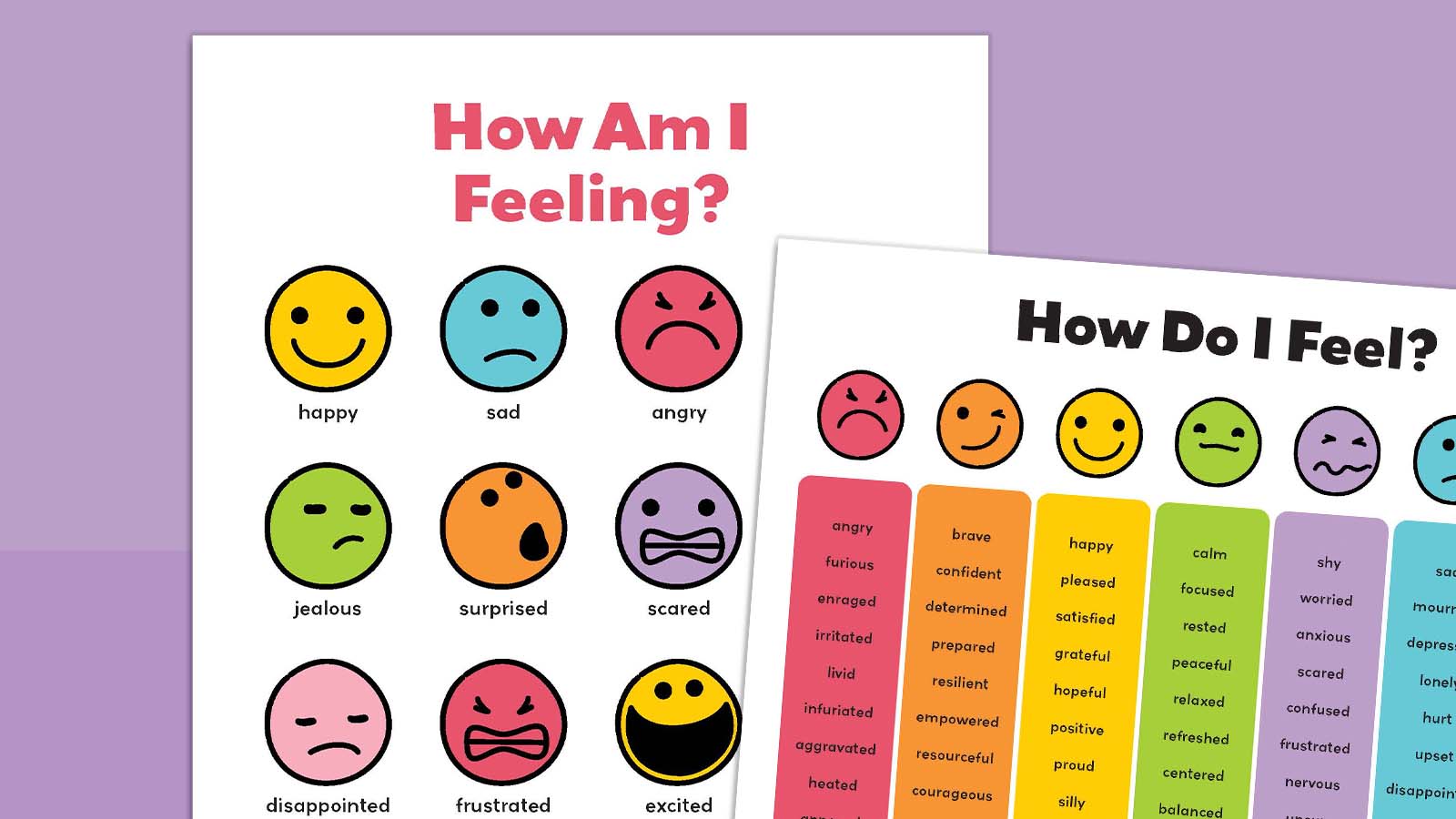
FREE PRINTABLES
Having a feelings chart helps students identify and name their emotions as they experience them, or as they’re learning how to manage the feelings that they have throughout the day.
15. Craft a family sculpture
As an art therapist, Dr. Cathy Malchiodi recommends art therapy activities that encourage kids to create a family sculpture out of clay. The size, shape, and arrangement of family members invites conversations about the important people and relationships in their lives.
16. Carve out some feelings
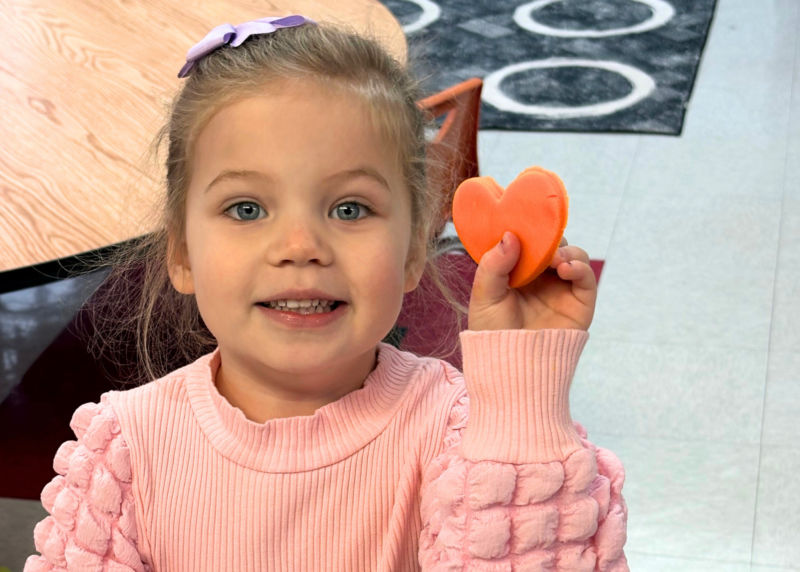
The use of clay art therapy has been associated with physical, psychological, and cognitive improvement. Give students clay to mold and shape. They can create figures or objects that represent their emotions or significant life events.
17. Paint or draw the music
Did you know you could use music as a prompt? Play different types of music and have students paint or draw what they feel when they hear the music. Remember, art and music therapies are less about creating a masterpiece and more about the process of self-discovery and healing. It’s OK to get messy (in fact, that might be the goal)!
18. Trace silhouette stories
Students trace their silhouettes on large paper, then fill the silhouette with images and words that tell their story. This social worker’s “Inside Out / Outside In” idea has kids “draw and/or write about themselves (their ‘insides’) and about how others perceive them (their ‘outsides’).”
19. Guided imagery drawings
Guided imagery has been used for centuries to activate the mind-body connection. This can “enhance an individual’s sense of well-being” as well as reduce stress and anxiety. Lead a guided imagery session, or use a meditation app like Insight Timer and have students draw the scenes or feelings that they imagined.
20. Design personal posters
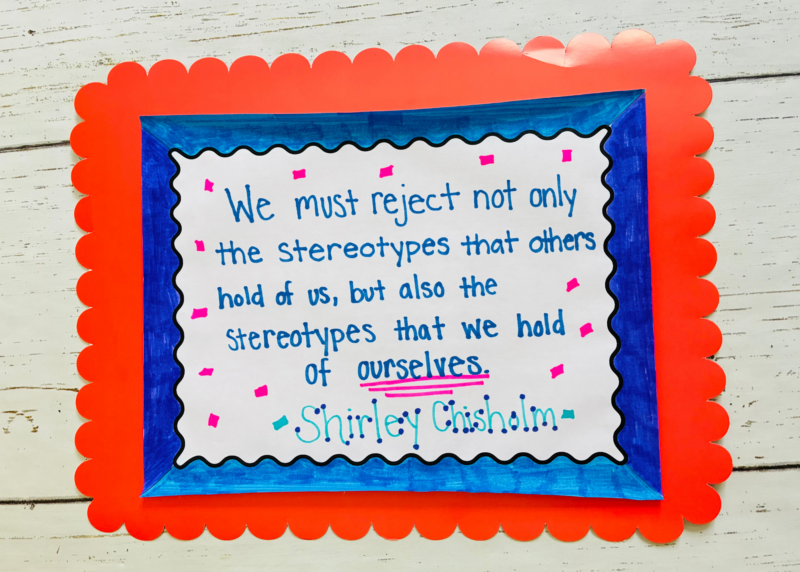
Research shows that having poster media in the classroom can make learning more meaningful. Take that a step further by having students design posters with inspirational quotes or messages that resonate with them, using art and lettering.
21. Squeeze stress balls
Studies show that squeezing a stress ball can help manage “temporary stress and tension by providing a tactile distraction and promoting relaxation,” which can be very useful in the classroom! It’s easy to make stress balls into art therapy activities by making them with balloons and flour or rice. Then, kids can decorate the balloons with faces or patterns.
22. Chart a life map
Life maps can provide a visual representation of our journey, goals, and needs. When we are feeling stuck in a moment, it can help us see the big picture. In the classroom, students can create life maps of their lives, including past events, current lives, and future dreams.