Play Your Way to Deeper Math Thinking
We love these free, higher-order math games that help build critical thinking skills.
Brought to you by


Our Favorite Games
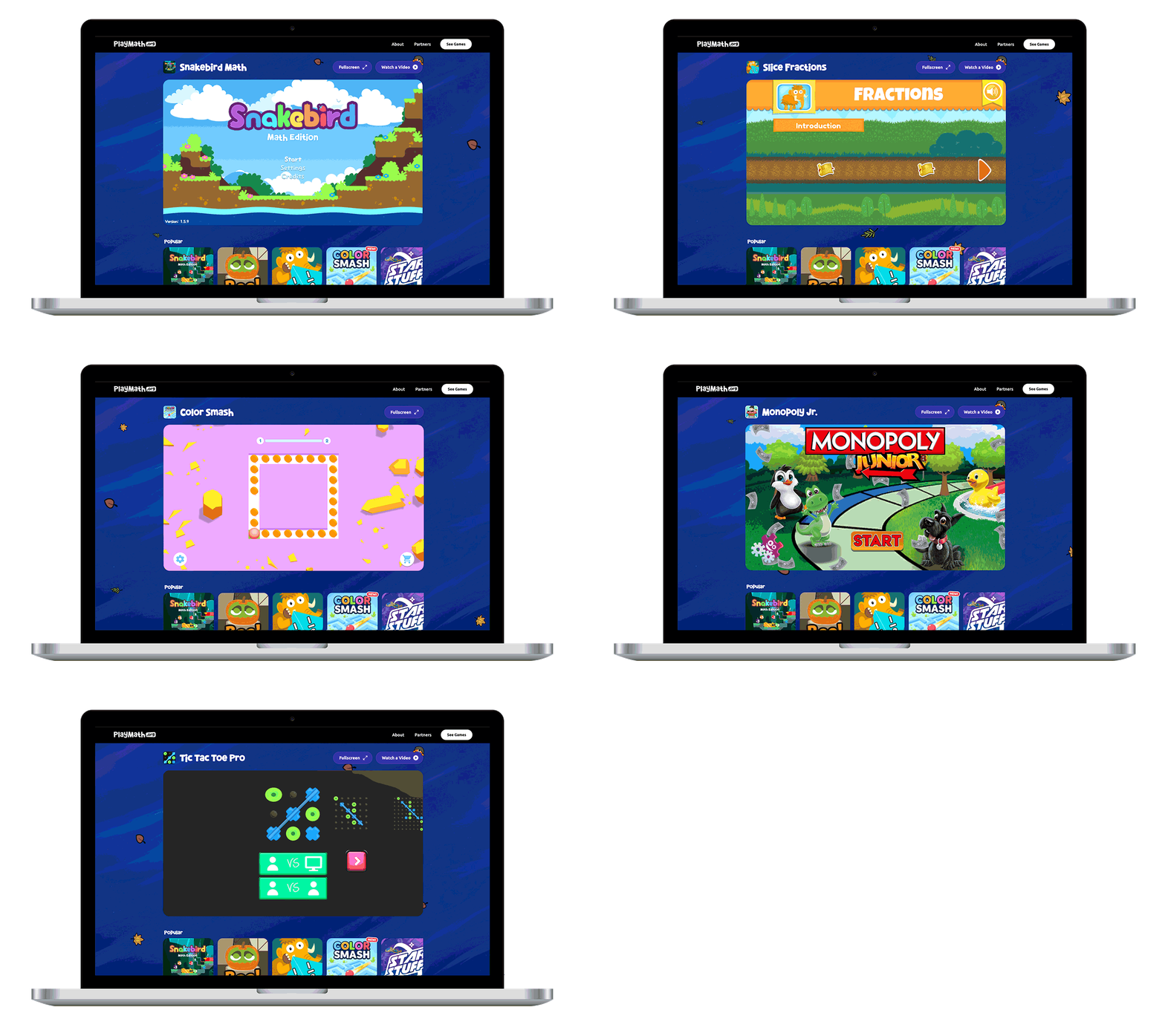
Building logic and reasoning skills needs to start early. These are the best PlayMath.org games for teaching kids how to solve problems, make smart choices, and stick with challenges until they find a solution.
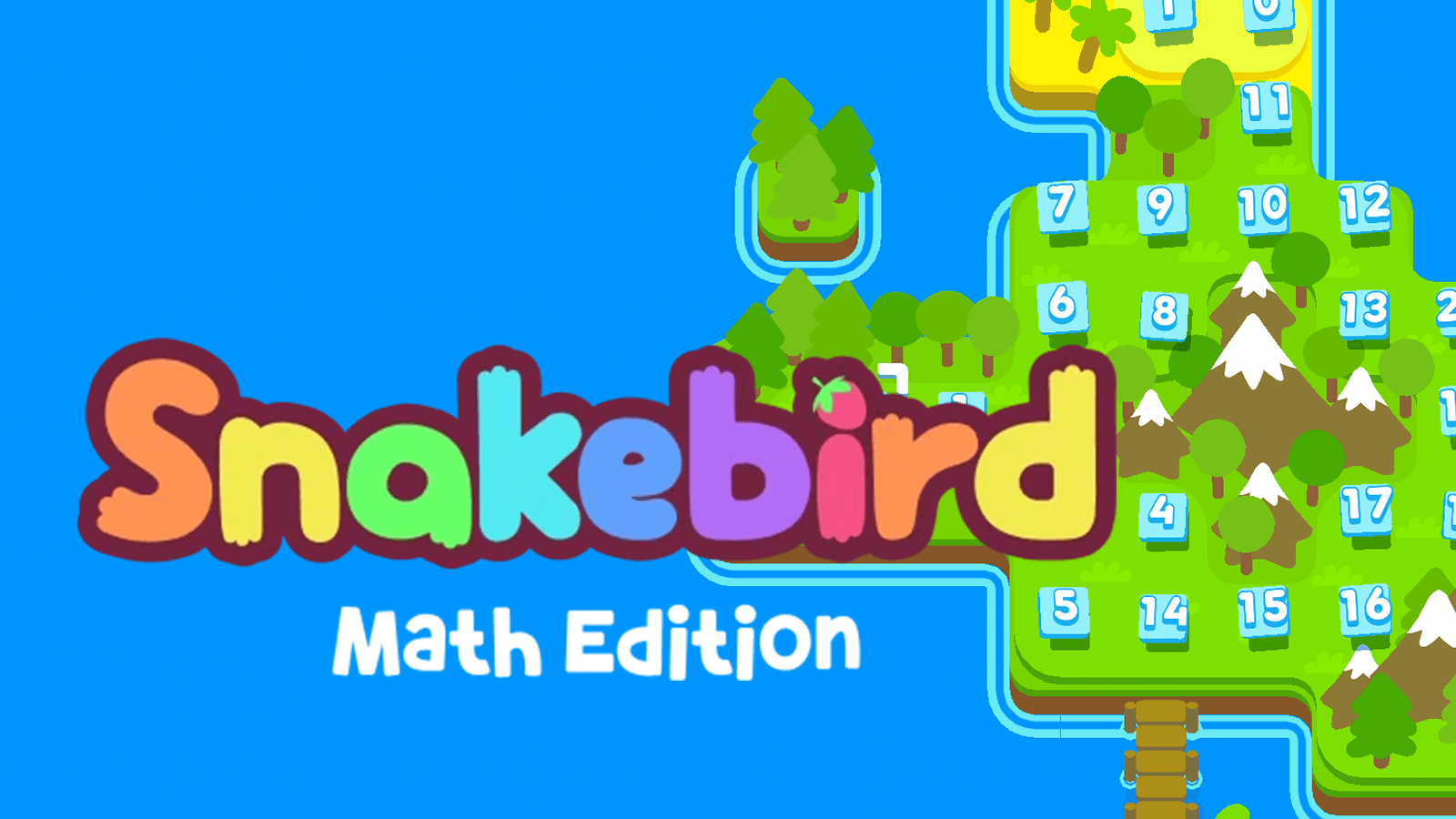
Snakebird Math
Logic-based game for practicing basic numeracy.
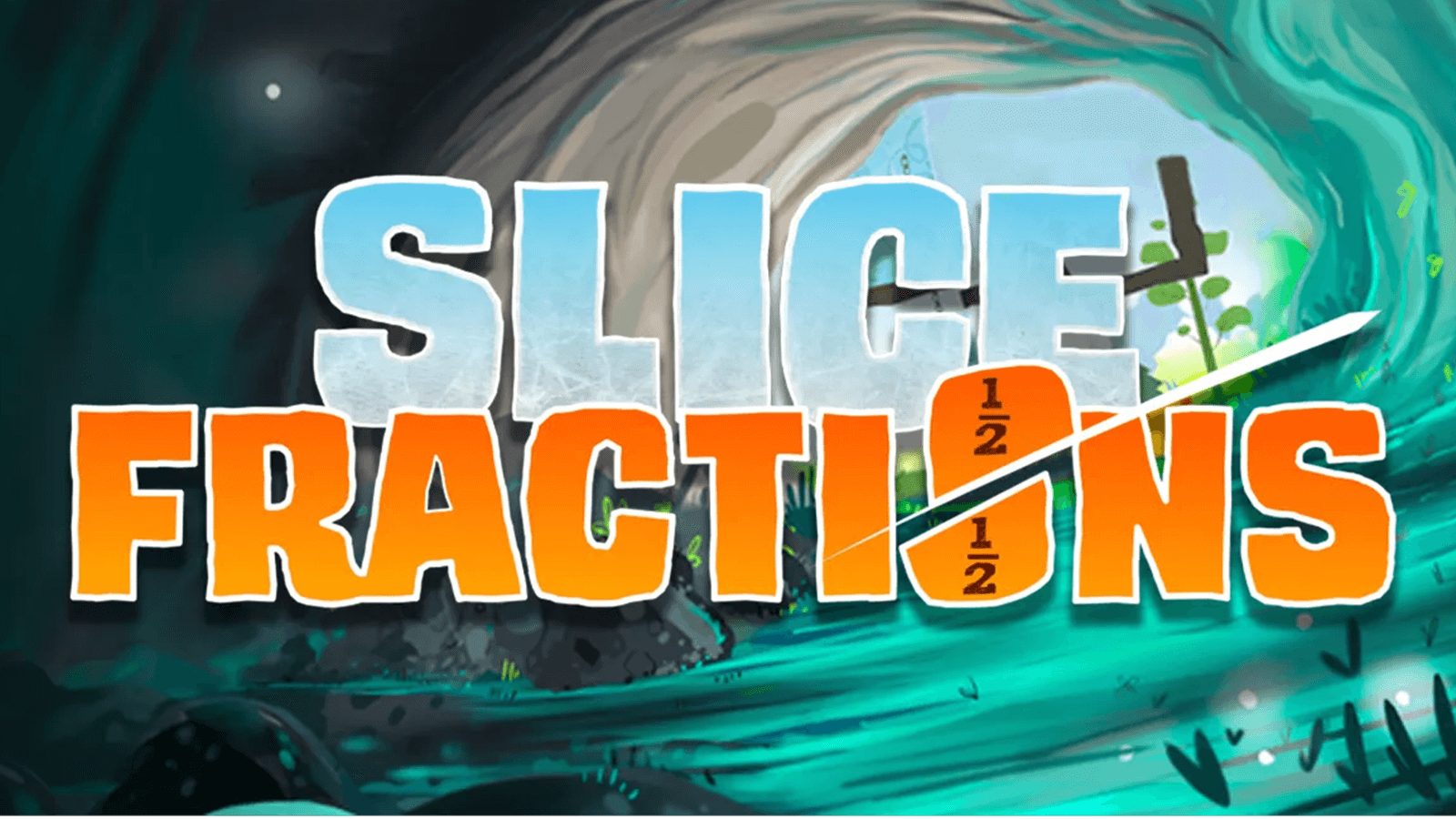
Slice Fractions
Problem-solving game that helps kids learn fractions.
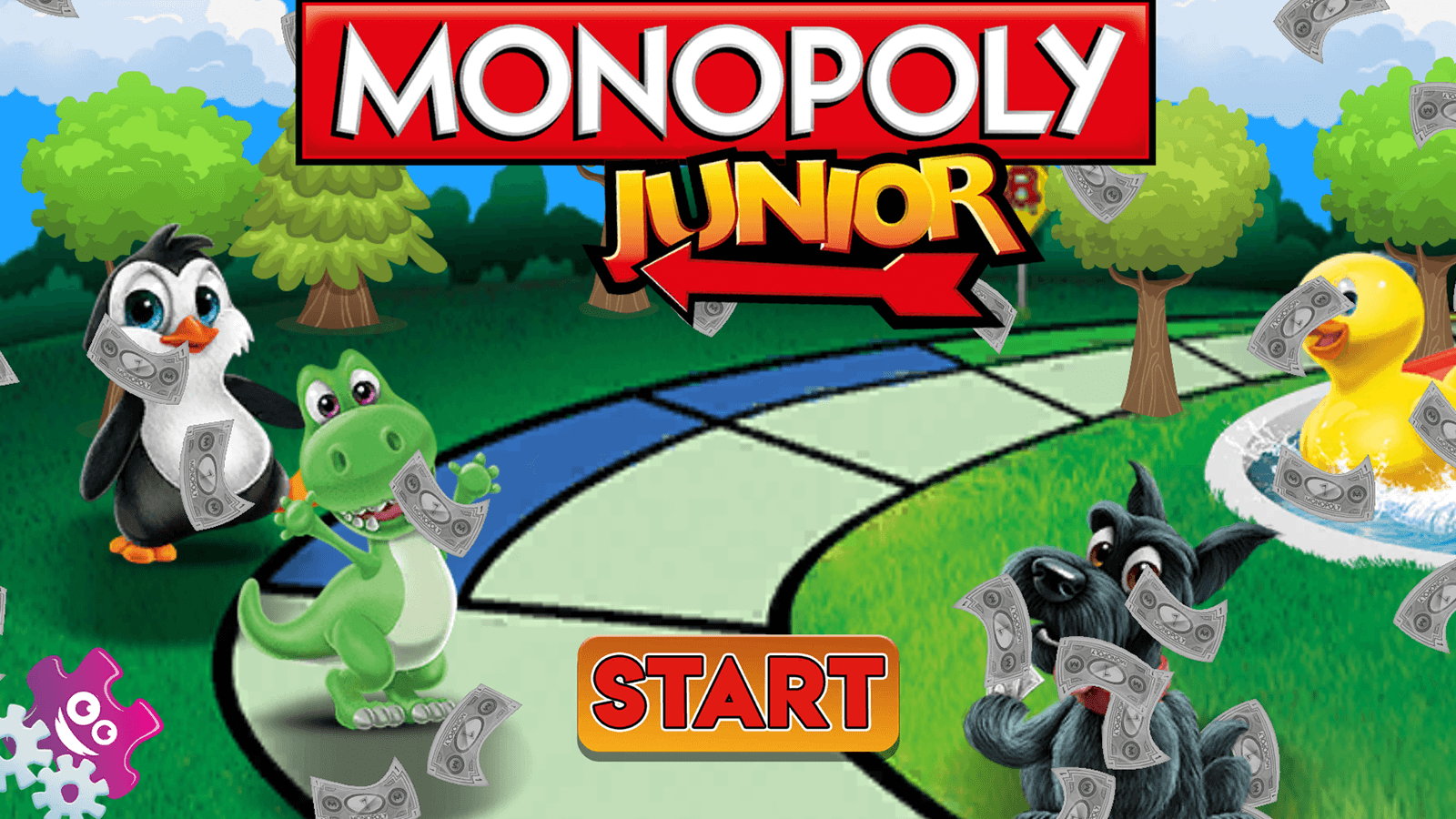
Monopoly Junior
Learn about financial literacy with a familiar board game.
What Teachers Are Saying
Games for Kids in Grades K–2
Learning about strategy teaches kids critical thinking, problem-solving, and decision-making skills by encouraging them to plan ahead, analyze consequences, and adapt to changing situations. It also develops important life skills like organization, perseverance, and adaptability for tasks both in and out of school.
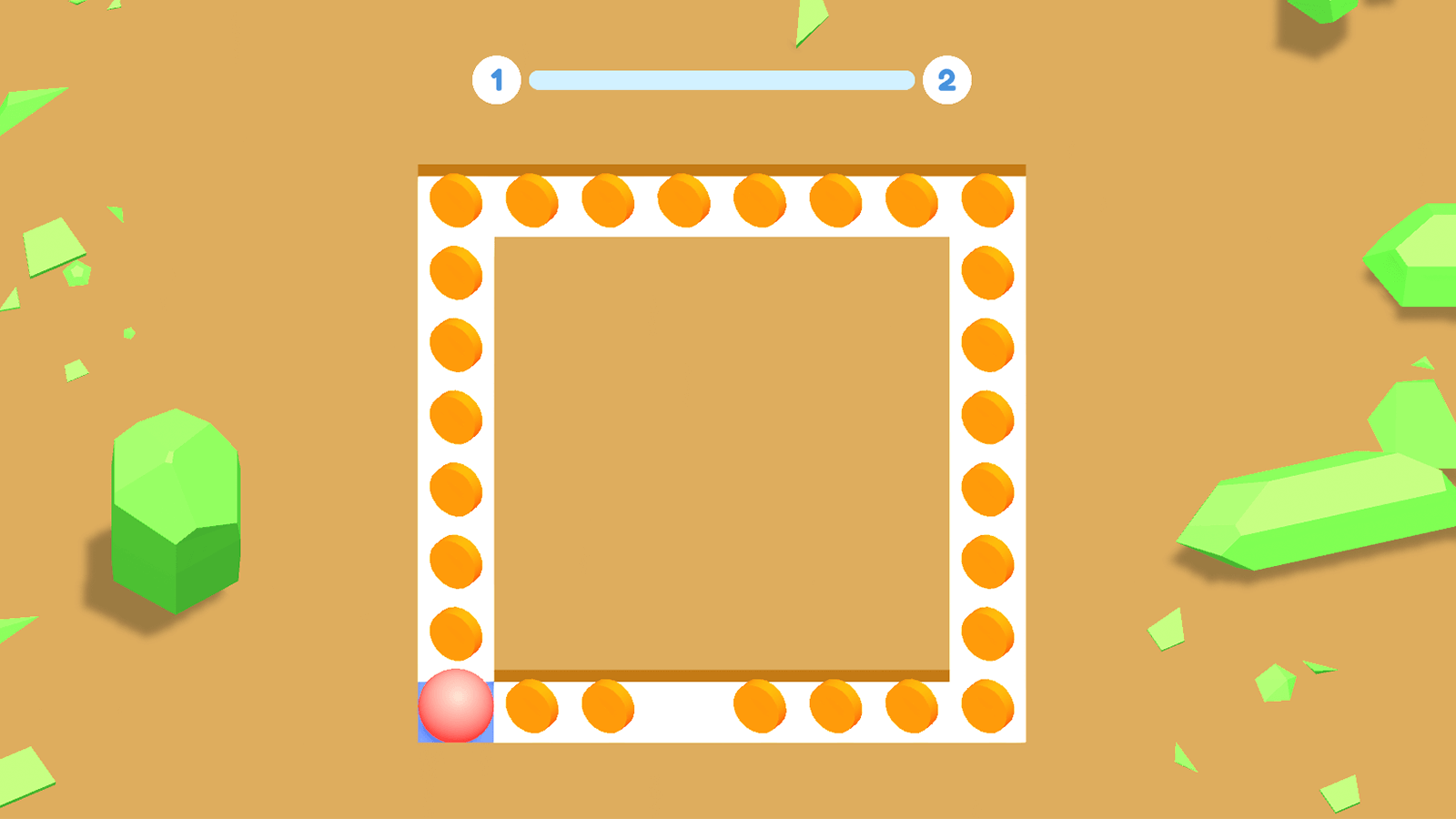
Color Smash
This addictive puzzle helps kids think strategically.
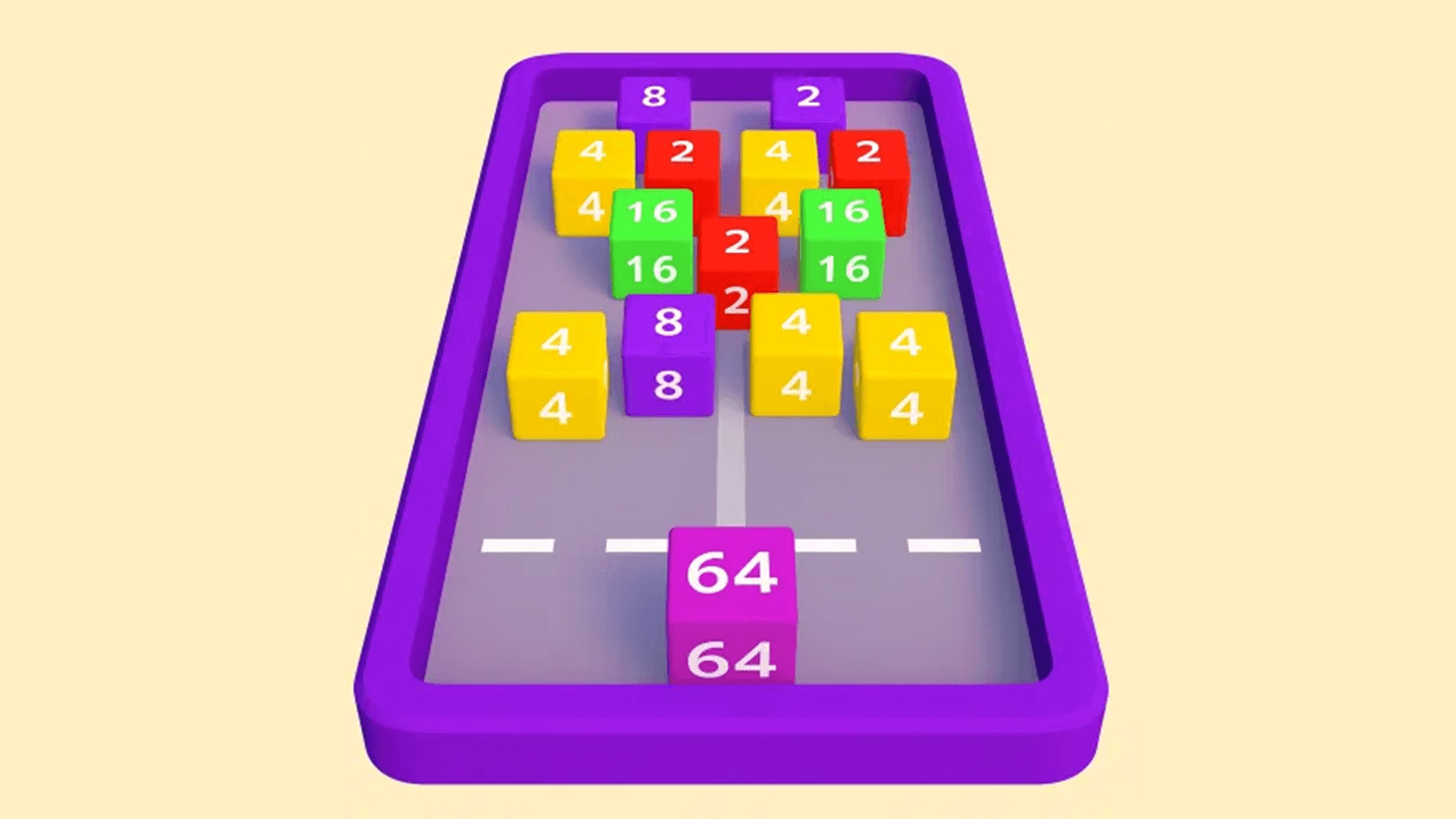
2048 Dice
Strategically maneuver and combine dice to reach 2048.

Tic Tac Toe Pro
This classic tic-tac-toe game adds more strategy and logic.
Games for Kids in Grades 3–5
As children develop, understanding strategy improves their ability to analyze situations, anticipate consequences, make informed decisions, and organize information, fostering important qualities like discipline, creativity, and adaptability.
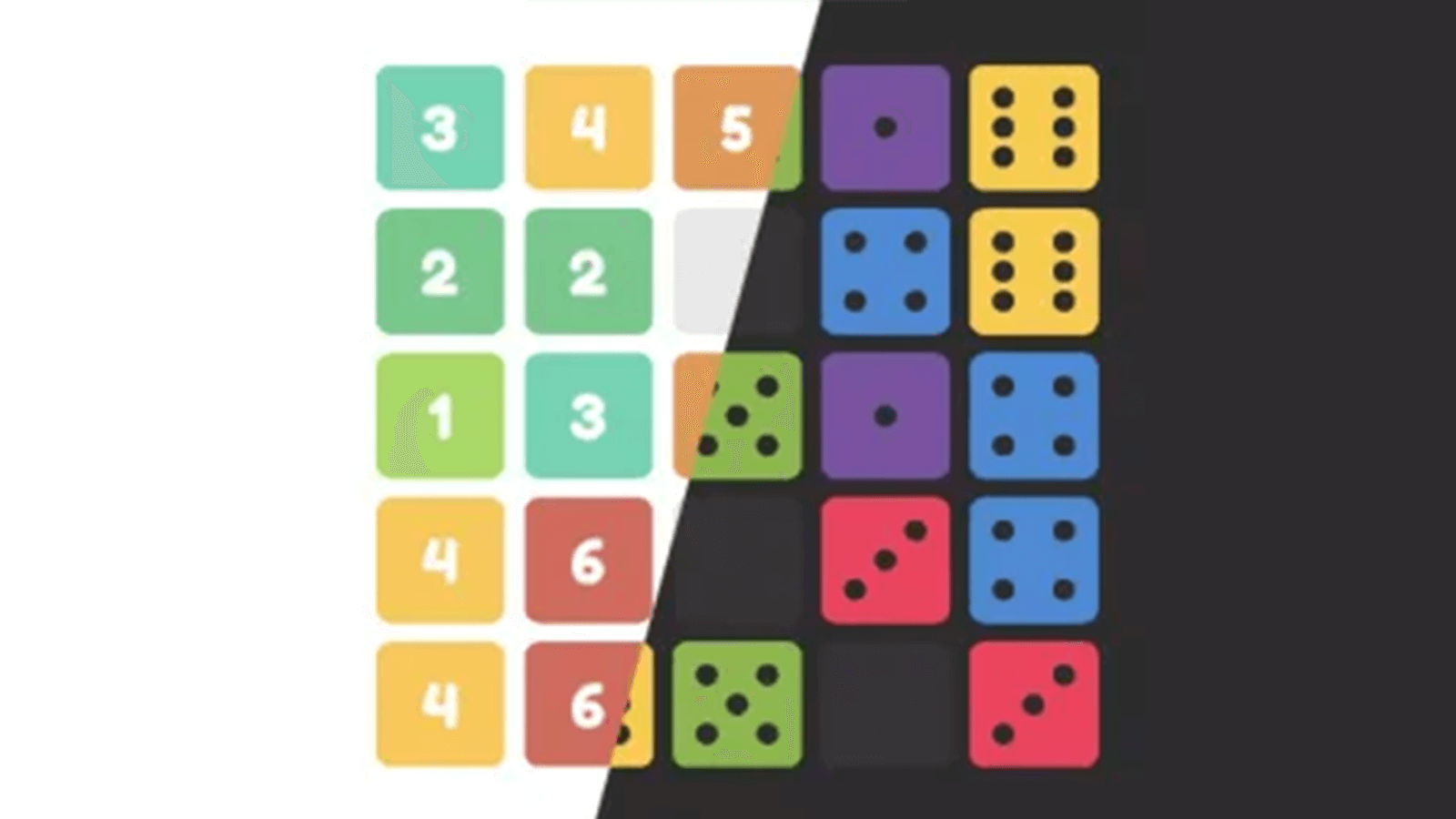
Dice Merge
Helps kids with pattern detection and numeracy.
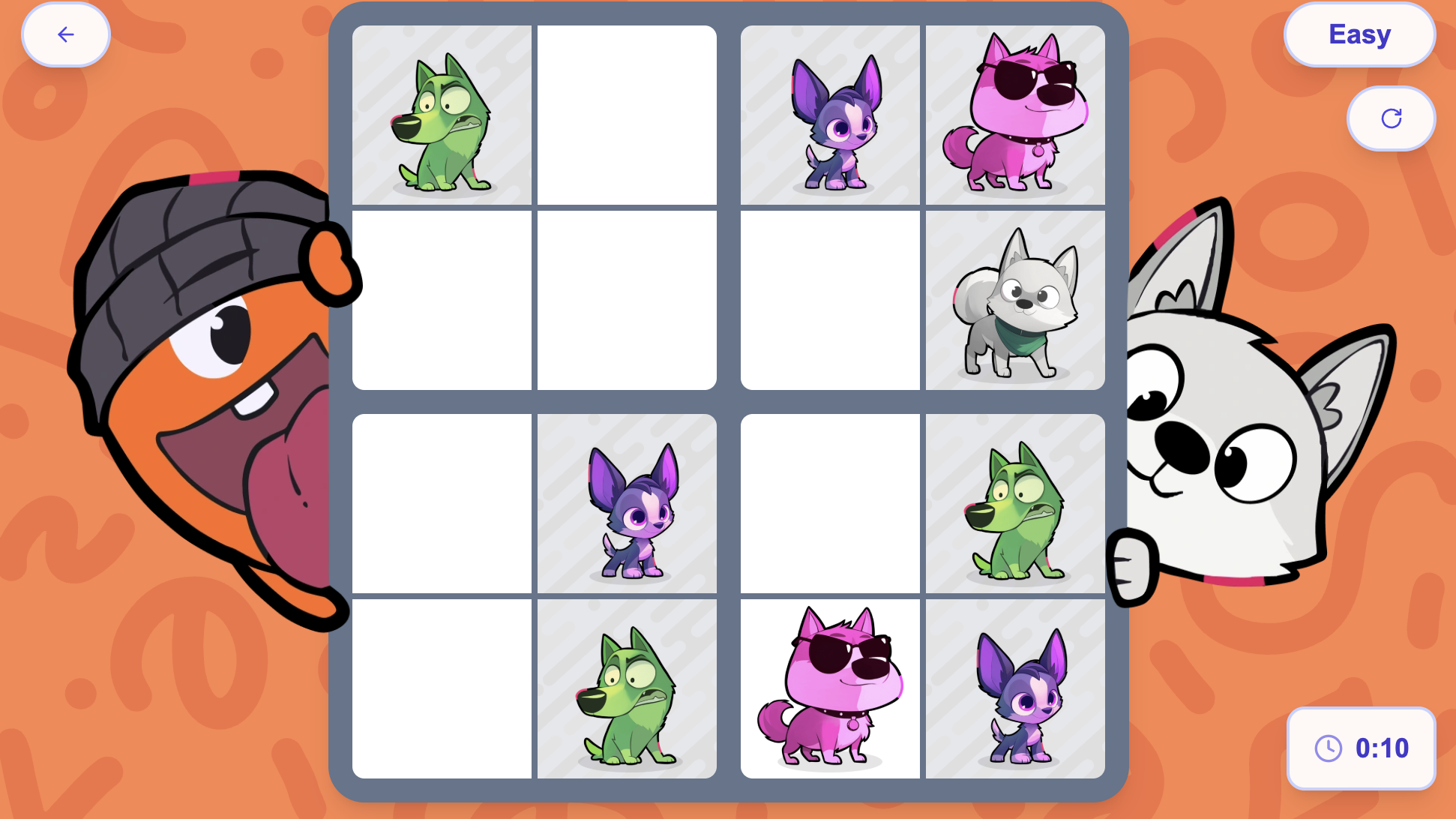
Sudoggos
Kids must identify dog types and remember patterns.

Star Stuff
A puzzle-solving game that uses basic programming


Kid-loved, teacher-approved
Math games transform learning into an adventure where creativity meets logic. By engaging in playful problem-solving, children discover that mathematics is not just about numbers, it’s about thinking strategically, planning ahead, and adapting when challenges arise. Research shows that game-based learning fosters deeper engagement and helps students develop flexible approaches to problem-solving, creativity, and strategic reasoning. These are skills that extend far beyond the classroom into real-world decision-making.
Studies also highlight that math games improve attitudes toward math, encouraging persistence and resilience, while providing meaningful opportunities to practice core skills in an active and enjoyable way.